
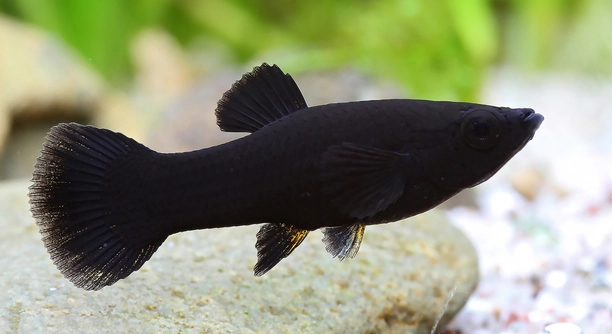
Black Mollies are popular freshwater fish known for their striking black color and peaceful demeanor. Many aquarium owners appreciate their adaptability and calm presence, making them a common choice for community tanks in homes and offices alike.
Black Mollies can exhibit territorial behavior, particularly among males and when space is limited. Territorial disputes typically involve chasing, fin flaring, and display behaviors, which help establish dominance hierarchies and reduce prolonged aggressive encounters in a shared environment.
Understanding how Black Mollies interact with one another will help you maintain a harmonious aquarium and support the well-being of all your fish.
Recognizing Territorial Behavior in Black Mollies
Observing Black Mollies in your tank can reveal subtle signs of territorial behavior. Males often patrol specific areas, chasing or nudging other fish that enter their space. Fin flaring is a common display, where the fish spreads its fins to appear larger and more dominant. These behaviors are more noticeable in crowded tanks or when hiding spots are limited. Even peaceful females can show brief bouts of aggression if they feel their space is threatened. Watching these interactions closely helps you understand the social structure within your aquarium. Adjusting the layout with plants, rocks, or decorations can reduce conflict by giving fish multiple zones to claim. Over time, you may notice patterns in how your Mollies establish boundaries. Recognizing these behaviors early ensures a calmer tank environment. By observing consistently, you can intervene before disputes escalate and maintain a balanced, healthy setting for all your fish.
Providing sufficient space and visual barriers can reduce territorial displays and support more peaceful interactions.
Adding plants and structures creates natural divisions, helping Mollies feel secure. This simple adjustment often limits chasing and dominance fights, promoting harmony in your tank.
Managing Aggression in Community Tanks
Separating overly aggressive Mollies can prevent ongoing stress among tank mates.
Introducing extra hiding spots, floating plants, or decorations helps break up sightlines. Males often target weaker fish in open areas, so visual barriers give everyone a safe space. Adjusting water parameters and maintaining proper tank size also supports calmer behavior. Overcrowding tends to increase aggression, so keeping a moderate population is crucial. Feeding schedules play a role too; offering food in multiple locations reduces competition. Sometimes, rearranging the tank decor changes established territories and resets social hierarchies. Observing fish interactions after adjustments ensures that all Mollies have access to secure zones. By implementing these measures, you can maintain a peaceful community tank where aggression is minimized. Consistent monitoring and small changes go a long way in keeping your Black Mollies comfortable and reducing territorial disputes over time.
Breeding and Territorial Behavior
During breeding, Black Mollies can become more territorial, especially males defending a preferred area. Aggression may increase temporarily, and chasing is common. Providing plenty of hiding spots helps reduce stress for females and juveniles during this time.
Males will often establish a specific corner or plant as their breeding territory. They display fin flaring and may nudge females to encourage spawning. Females may retreat to safer areas, and fry benefit from dense vegetation for protection. Observing these interactions helps ensure that aggression does not harm weaker fish. Managing tank layout and population density is key to maintaining harmony. Breeding behavior is natural, but monitoring the tank prevents excessive stress and keeps all fish healthy.
Even after spawning, males may continue defending their area for several days. Rotating plants or adjusting tank decorations can help diffuse tension. Ensuring enough space and visual barriers reduces prolonged aggression and supports a peaceful environment.
Feeding and Territory
Feeding can trigger temporary territorial behavior, especially when food is limited. Dominant fish may chase others away to claim a meal.
Placing food in multiple locations helps reduce competition. Mollies tend to guard areas where food is dropped, particularly if the tank is small. Observing feeding behavior ensures weaker fish get enough nutrition. Overfeeding slightly can prevent fighting, but maintaining water quality is important. Providing a consistent schedule helps all fish know when to expect food, reducing sudden aggressive outbursts. Some Mollies may still assert dominance, but spreading out feeding spots minimizes conflicts and encourages calmer interactions.
Carefully managing feeding routines and locations creates a more balanced environment. By ensuring everyone can access food, territorial disputes are minimized, and fish remain healthier. Watching how Mollies interact during meals helps adjust feeding strategies, whether by adding floating feeders, sinking pellets, or scattering flakes. Over time, fish learn the patterns, and aggression naturally decreases. Consistent observation and small adjustments in feeding habits can prevent stress-related health issues, keeping the aquarium peaceful and enjoyable for both Mollies and other tank inhabitants.
Tank Size and Space
Smaller tanks often increase territorial behavior among Black Mollies. Crowded conditions lead to more chasing and fin flaring as fish compete for limited areas. Adequate space is essential for a calmer, balanced tank environment.
Providing at least 20 gallons for a small group allows fish to establish personal zones. Adding plants or decorations further divides the tank, giving fish spots to retreat. Proper spacing reduces stress and prevents long-term aggression. Observing fish interactions helps determine if the current setup meets their needs. A well-planned tank encourages natural behavior without excessive conflict.
Social Dynamics
Black Mollies establish social hierarchies that influence territorial behavior. Dominant fish often patrol the tank, asserting control over specific areas.
Fish lower in the hierarchy may retreat or hide, avoiding confrontation. Adjusting the tank with visual barriers and sufficient space supports peaceful cohabitation. Monitoring these dynamics helps maintain a stable environment and prevents bullying or prolonged stress.
Signs of Stress
Prolonged chasing, torn fins, or hiding are indicators of stress caused by territorial disputes.
Addressing these signs early prevents health issues. Increasing space, adding hiding spots, or separating aggressive individuals helps restore harmony in the tank.
FAQ
Do Black Mollies always show territorial behavior?
Not all Black Mollies are constantly territorial. Males are more likely to display aggressive or dominant behavior, while females tend to remain calmer. Territorial displays usually occur in crowded tanks or when space is limited. Proper tank size and layout can reduce these behaviors significantly.
How can I tell if my Black Molly is being territorial?
Territorial behavior often shows through chasing, fin flaring, or nudging other fish. Fish may patrol a specific area and defend it from intruders. Hiding, retreating, or avoiding certain spots in the tank are signs that some fish are being dominated. Observing patterns over time helps identify problem areas.
Does tank size affect territorial behavior?
Yes, tank size plays a major role. Smaller tanks increase competition for space, leading to more chasing and aggression. A minimum of 20 gallons for a small group is recommended. Larger tanks with enough hiding spots allow fish to establish personal zones without constant conflict.
Can tank decorations help reduce aggression?
Absolutely. Plants, rocks, and decorations break up sightlines, giving fish visual barriers. These elements create multiple territories and hiding spots, which can diffuse aggression. Rearranging decorations periodically can help reset dominance hierarchies and encourage more peaceful interactions.
Do Black Mollies fight more during breeding?
Yes, breeding can intensify territorial behavior, particularly in males. Males may claim a corner or plant as a spawning territory, chasing females or other males that enter. Females usually retreat, and fry benefit from dense vegetation for safety. Providing extra hiding spots is essential during this period.
How does feeding affect territorial behavior?
Feeding time can trigger temporary aggression, especially if food is limited. Dominant fish may chase others away to claim meals. Offering food in multiple locations reduces competition and ensures all fish get enough nutrition. Consistent feeding schedules help maintain calmer interactions.
Can overcrowding increase territorial behavior?
Yes, overcrowding amplifies aggression. When too many fish are in a tank, competition for space, food, and hiding spots rises. Maintaining a moderate population and providing sufficient decorations and plants can prevent stress and reduce territorial disputes.
Should aggressive Mollies be separated?
In some cases, yes. If one fish consistently harasses others, temporary separation may be necessary. Using a tank divider or moving the aggressive fish to another tank allows the rest to recover. Observing interactions after adjustments helps determine if reintroduction is possible.
Do female Black Mollies ever show territorial behavior?
Females are generally less aggressive, but they may occasionally display dominance over each other. This usually occurs around food or in limited spaces. Providing ample hiding spots and multiple feeding areas can prevent conflicts among females.
How long does territorial behavior last?
Territorial behavior may last a few minutes during brief displays or several days during breeding or after rearranging the tank. Over time, establishing clear boundaries and providing space can help reduce prolonged aggression and create a more harmonious environment.
Can stress from territorial disputes affect fish health?
Yes, prolonged stress can weaken the immune system, making fish more susceptible to illness. Torn fins, constant hiding, and lethargy are signs of stress. Adjusting tank layout, increasing space, and ensuring proper feeding are essential to maintain health and reduce stress.
Do all tank mates trigger territorial behavior in Black Mollies?
Not always. Mollies tend to be more territorial toward similar-sized or similarly-shaped fish. Peaceful or slower-moving species are less likely to provoke aggression. Choosing compatible tank mates helps maintain a calmer environment.
Is it normal for a male Molly to chase another male?
Yes, this is part of establishing dominance. Males often patrol territories and assert control over specific areas. Adding visual barriers and ensuring enough space helps reduce prolonged conflicts while allowing natural social behavior to occur.
How do hiding spots help reduce aggression?
Hiding spots provide refuge for weaker or stressed fish. Dense plants, caves, or decorations break sightlines and allow fish to escape aggressive displays. Ensuring multiple hiding zones prevents prolonged conflict and supports a healthier, more balanced tank dynamic.
Can rearranging the tank help with territorial issues?
Yes, rearranging plants and decorations changes established territories and can reset dominance hierarchies. This disrupts long-standing patterns of aggression and encourages fish to explore new areas, reducing prolonged disputes and promoting calmer interactions.
Are territorial behaviors in Mollies harmful long-term?
If left unmanaged, prolonged aggression can cause stress, injury, or stunted growth. Minor displays are natural, but constant chasing or harassment requires intervention. Proper tank size, decorations, feeding strategies, and occasional separation help maintain a safe environment for all fish.
Do Black Mollies recognize individual tank mates?
Yes, they can remember and respond differently to specific fish. Dominant Mollies may consistently chase the same fish, while others are ignored. Observing these interactions helps identify patterns and adjust tank conditions to minimize conflict.
Can environmental enrichment reduce aggression?
Providing a stimulating environment with plants, rocks, and varied swimming areas reduces boredom and competition. Fish have more places to explore and claim as personal space, which naturally lowers territorial disputes and keeps them more relaxed.
Is fin damage always caused by territorial behavior?
Not always, but torn or frayed fins are a common sign of aggressive interactions. Monitoring fish closely and providing adequate space, hiding spots, and compatible tank mates helps prevent injuries from territorial disputes.
Does water quality impact territorial aggression?
Poor water quality increases stress and can make fish more irritable. Maintaining clean water, proper filtration, and stable parameters supports calmer behavior and reduces the likelihood of aggressive displays related to environmental stress.
Are there signs that a tank is too small for Mollies?
Constant chasing, persistent fin flaring, and limited retreat spaces indicate a tank may be too small. Providing at least 20 gallons for a small group and adding decorations allows fish to establish personal zones and reduces territorial conflicts.
Can adding more females reduce male aggression?
Yes, increasing the female-to-male ratio can diffuse male aggression. Males focus on multiple targets instead of one, reducing pressure on individual females. This strategy, combined with space and hiding spots, helps maintain a calmer, healthier tank environment.
What is the best way to introduce new Mollies to an established tank?
Quarantine new fish first to prevent disease. Introduce them gradually, ideally rearranging decorations to reset territories. Providing extra hiding spots allows both new and established fish to adapt without constant aggression. Monitoring interactions ensures integration is smooth and safe for all fish.
How do you prevent long-term territorial disputes?
Maintain adequate space, provide hiding spots, ensure proper feeding, and monitor social dynamics. Adjusting tank layout or temporarily separating aggressive individuals helps establish balance. Consistent observation and small interventions prevent stress, injuries, and prolonged aggression.
Do territorial behaviors decrease with age?
In many cases, yes. Older fish often establish clear hierarchies and are less likely to engage in prolonged aggression. Younger or newly introduced fish may take time to adapt, and temporary displays of territorial behavior are normal during this adjustment period.
Can stress from other sources worsen territorial behavior?
Yes, environmental stress like poor water quality, sudden changes, or overcrowding can increase aggression. Ensuring stable conditions and reducing external stressors supports calmer interactions and minimizes territorial disputes among Black Mollies.
Is it normal for territorial behavior to flare up suddenly?
Yes, changes in tank layout, new introductions, or breeding activity can trigger sudden aggression. Providing multiple hiding spots, sufficient space, and careful observation helps manage these temporary flare-ups and restore balance in the tank.
How often should I monitor territorial behavior?
Daily observation is ideal, especially when introducing new fish or adjusting the tank. Monitoring ensures early detection of stress, aggression, or injuries and allows timely interventions to maintain a healthy, peaceful environment.
Can all territorial behavior be prevented?
No, minor territorial displays are natural. The goal is to reduce prolonged or harmful aggression through space, decorations, hiding spots, and proper feeding, allowing Mollies to express natural behavior without stress or injury.
Do Black Mollies prefer specific areas in the tank?
Yes, some fish may claim corners, plants, or areas near surfaces. Recognizing these preferences helps distribute space evenly and minimizes conflicts by giving fish personal zones to patrol and retreat to.
How long does it take for a tank to stabilize after adding new Mollies?
Typically, a few days to a couple of weeks. Rearranging decorations and providing hiding spots helps fish adjust more quickly. Monitoring interactions ensures that new hierarchies are established safely and reduces prolonged aggression.
Can compatible tank mates influence territorial behavior?
Yes, peaceful species that occupy different zones or swim at different levels reduce competition. Avoiding aggressive or similarly sized fish helps maintain harmony and prevents escalation of territorial disputes.
Does breeding frequency affect territorial behavior?
Frequent breeding may temporarily increase aggression, particularly in males defending spawning areas. Providing ample space and hiding spots mitigates this behavior and ensures females and fry remain safe during these periods.
How do I know if aggression is normal or harmful?
Minor chasing or fin flaring is normal. Persistent attacks, injuries, constant hiding, or stress signs indicate harmful aggression. Early intervention with space adjustments, hiding spots, or temporary separation prevents health issues and maintains a calm tank environment.
What adjustments work best for aggressive males?
Adding visual barriers, increasing tank size, rearranging decorations, and temporarily separating the most aggressive males are effective. Ensuring multiple feeding spots and hiding areas helps reduce prolonged conflicts while maintaining natural behaviors.
Do juvenile Mollies show territorial behavior?
Juveniles usually show limited aggression but may display minor chasing as they establish social hierarchies. Providing plenty of space and hiding spots reduces stress and prevents early aggressive habits from becoming problematic in adulthood.
How can I maintain long-term peace in a Molly tank?
Consistently monitor interactions, provide adequate space, decorations, and hiding spots, maintain proper feeding routines, and manage population density. Small, proactive adjustments ensure a calm, balanced tank where territorial behavior remains natural but non-harmful.
Is fin damage reversible in Mollies?
Yes, torn fins can heal if stress and aggression are minimized. Clean water, proper nutrition, and hiding spots support recovery. Removing aggressive individuals temporarily accelerates healing and prevents repeated injuries.
Can territorial behavior affect other species in a community tank?
Yes, aggressive Mollies can stress other fish, causing hiding, reduced feeding, or injury. Proper tank planning, hiding spots, and compatible species selection help maintain a balanced, safe environment for all inhabitants.
Does water temperature influence aggression?
Extremes in temperature can increase irritability and aggression. Maintaining a stable, appropriate temperature range supports calm behavior and reduces stress-related territorial disputes.
Are there behavioral signs before fights start?
Yes, fin flaring, chasing, and patrolling often precede more aggressive encounters. Early observation allows interventions like adding barriers or redistributing fish to prevent injury or prolonged stress.
Can stress from handling trigger territorial displays?
Yes, moving fish or sudden disturbances may provoke temporary aggression. Minimizing handling and providing hiding spots allows fish to recover quickly without escalating disputes.
Do Black Mollies form long-term bonds or alliances?
They recognize other fish and respond differently based on hierarchy. Dominant fish consistently chase certain individuals while ignoring others. Understanding these patterns helps manage social dynamics and prevent ongoing stress.
How important is tank maintenance for reducing aggression?
Very important. Clean water, proper filtration, and stable parameters prevent stress, which can trigger aggression. Regular maintenance supports healthy behavior and minimizes territorial disputes.
Can adding more plants always reduce aggression?
Generally, yes, but placement matters. Dense plants and multiple zones break sightlines and create personal spaces. Strategic placement reduces chasing and supports a calmer tank environment.
Is it normal for aggression to flare up suddenly after rearranging the tank?
Yes, changes can disrupt established territories. Providing hiding spots and monitoring interactions helps fish adjust quickly, minimizing prolonged disputes.
How can I prevent one fish from dominating the entire tank?
Ensure adequate space, multiple hiding spots, proper feeding, and monitor social interactions. Temporary separation or rearrangement can reset hierarchies and reduce the impact of a dominant individual.
Can stress from illness increase territorial behavior?
Yes, sick fish may become more irritable, and healthy fish may also react differently. Treating illness promptly and providing a calm environment reduces aggression and supports recovery.
Does the shape of the tank affect territorial behavior?
Yes, long or irregular tanks provide more zones and reduce direct line-of-sight conflicts. Compact tanks concentrate fish and increase aggression. Choosing the right tank shape and size helps maintain peaceful interactions.
Are territorial disputes always visible?
Not always. Subtle displays like brief fin flaring or minor chasing may go unnoticed but still indicate social tension. Observing fish behavior consistently helps detect early signs and prevent stress.
How long should aggressive Mollies be separated?
Until interactions normalize, typically a few days to a week. Observing behavior during reintegration ensures that the hierarchy is balanced and aggression does not resume at harmful levels.
Can environmental enrichment reduce stress-related aggression?
Yes, providing plants, decorations, and varied swimming areas keeps fish engaged, reduces boredom, and supports calmer interactions, naturally minimizing territorial displays and improving overall tank harmony.
Do territorial behaviors decrease in mixed-species tanks?
Often, yes, if tank mates occupy different levels or zones. Compatible species reduce competition for space and resources, keeping aggression primarily between Mollies and minimizing stress for the entire community.
Can poor diet influence aggression?
Insufficient or inconsistent feeding increases competition and territorial displays. Ensuring a balanced, regular diet reduces stress, supports health, and minimizes fights over food or space.
Are there signs of reconciliation after a fight?
Yes, fish may resume normal swimming patterns, share space without chasing, and return to feeding areas. Proper space, hiding spots, and time help restore peaceful interactions after aggressive displays.
Can I use tank dividers long-term for aggressive Mollies?
Yes, dividers can prevent repeated conflicts while maintaining water quality. They allow fish to coexist safely and give aggressive individuals a personal space to reduce stress.
Do Black Mollies remember previous disputes?
Yes, fish can recognize others and may continue chasing those previously dominated. Observing and adjusting the tank helps manage ongoing interactions and prevent prolonged stress.
How can I safely introduce new decorations without increasing aggression?
Rearrange slowly, keeping familiar hiding spots accessible. Monitor interactions during changes, and provide additional cover if disputes increase. Gradual adjustments reduce stress and maintain peaceful coexistence.
Is it normal for aggression to vary daily?
Yes, minor fluctuations are common due to feeding, environmental changes, or social adjustments. Consistent observation ensures temporary increases do not escalate into harmful behavior.
Can overfeeding reduce aggression permanently?
No, overfeeding only temporarily reduces competition but can cause water quality issues. Balanced feeding in multiple locations is more effective long-term for maintaining peace.
How do I balance multiple males in one tank?
Ensure sufficient space, hiding spots, and multiple feeding areas. Rearranging decorations or temporarily separating overly aggressive males helps establish stable hierarchies without harming other fish.
Are there signs that a tank is well-balanced?
Fish share space, chase rarely, feed without conflict, and swim calmly. Clear hierarchies and accessible hiding spots indicate a harmonious environment. Consistent observation helps maintain balance.
Do territorial behaviors ever completely stop?
No, minor displays are natural. The goal is to prevent prolonged or harmful aggression, ensuring fish can express natural behavior safely while maintaining a peaceful tank.
How important is observation in managing territorial behavior?
Daily monitoring is crucial. Early detection of aggression or stress allows interventions before injuries occur. Consistent observation ensures adjustments in tank setup, population, or feeding strategies maintain harmony.
Can seasonal changes influence aggression?
Yes, changes in light, temperature, or breeding cycles may temporarily increase territorial displays. Providing consistent conditions helps minimize stress and maintain calm behavior.
How do I know if territorial behavior is due to tank setup?
Frequent chasing in specific areas, increased stress, or fights often point to space or decoration issues. Adjusting layout, adding hiding spots, or increasing tank size usually reduces aggression.
Can minor injuries from aggression heal naturally?
Yes, small tears and scratches often heal with proper water quality, nutrition, and reduced stress. Removing aggressive individuals temporarily helps prevent repeated injuries.
Is aggression more common in certain color variations of Mollies?
Behavior is influenced more by size, sex, and environment than coloration. Black Mollies are not inherently more aggressive than other varieties, but males often display more territorial behavior regardless of color.
Do territorial displays affect breeding success?
Excessive aggression can stress females, reducing spawning activity. Providing hiding spots, ample space, and a balanced male-to-female ratio supports successful breeding while minimizing stress.
Can Mollies be trained to coexist peacefully?
While not trainable in the traditional sense, consistent feeding routines, proper tank layout, and observation help fish adapt to each other and reduce aggression over time.
How long does it take for a new tank to stabilize?
Typically a few days to weeks. Adequate space, hiding spots, and gradual introduction of fish promote stable social hierarchies and reduce prolonged territorial disputes.
Are some fish personalities more aggressive than others?
Yes, individual differences exist. Some males are naturally more dominant. Recognizing personality traits helps manage aggression through space allocation and hiding spots, ensuring a balanced tank.
Do water changes influence aggression?
Yes, large or sudden water changes can temporarily stress fish and trigger aggression. Gradual adjustments maintain stable conditions and prevent unnecessary territorial displays.
Is chasing always a sign of aggression?
Not always. Brief chasing can be a normal part of social hierarchy establishment. Persistent, harmful chasing indicates stress or territory disputes that need intervention.
Can overcrowding in a community tank worsen Black Molly aggression?
Yes, overcrowding increases competition for space, food, and hiding spots, raising the likelihood of territorial disputes and stress-related behavior.
Are territorial behaviors influenced by lighting?
Bright or uneven lighting can increase visibility and perceived threats, occasionally triggering aggression. Balanced lighting reduces stress and minimizes disputes.
Do Mollies recognize new tank mates quickly?
They may take a few days to weeks to establish social hierarchies. Providing hiding spots and visual barriers helps smooth the adjustment period and reduce conflicts.
Can disease outbreaks increase aggression?
Yes, sick fish may act unpredictably, and healthy fish may react defensively. Maintaining good water quality and monitoring health reduces stress-related territorial behavior.
Is it normal for fish to flare fins without chasing?
Yes, fin flaring can be a display of dominance or alertness. If not followed by aggression, it is generally harmless and part of natural behavior.
How do I keep aggression from affecting tank harmony long-term?
Regular observation, proper tank size, decorations, hiding spots, feeding strategies, and monitoring social dynamics maintain a peaceful environment while allowing natural behavior.
Can introducing floating plants reduce aggression?
Yes
Black Mollies are fascinating fish, known for their striking appearance and generally peaceful temperament. However, territorial behavior is a natural part of their social interactions, especially among males and during breeding periods. Observing your fish carefully is key to understanding these behaviors. Chasing, fin flaring, and patrolling are common signs that a fish is defending a space. These actions do not necessarily indicate a serious problem, but repeated or intense displays can cause stress and injury to other tank mates. Recognizing when behavior is natural versus harmful helps you maintain a balanced tank environment. Creating separate zones with plants, rocks, and decorations allows each fish to claim personal space and reduces conflict, making the aquarium calmer for everyone. Even minor adjustments in tank layout or spacing can have a significant impact on reducing aggressive displays.
Feeding practices also play a role in territorial interactions. Mollies may compete over limited food sources, leading to temporary chasing or dominance behaviors. Distributing food in multiple locations and maintaining a consistent feeding schedule can minimize competition. Overfeeding is not recommended because it can harm water quality, but careful planning ensures that all fish get adequate nutrition while reducing conflict. Maintaining proper water quality, temperature, and overall tank health is equally important. Poor conditions can increase stress, making fish more irritable and likely to display aggression. Observation is critical during these moments; noticing which areas of the tank see the most conflict can guide adjustments in decor, hiding spots, or feeding areas. Over time, consistent care and small interventions help Mollies settle into a peaceful hierarchy where territorial behavior occurs naturally without harming others.
Social dynamics within the tank also influence how territorial behaviors develop. Males often establish dominance hierarchies, and females typically stay calmer, but they can occasionally display minor aggression if space or resources are limited. Introducing new fish or rearranging tank decorations can temporarily disrupt these hierarchies, so monitoring interactions during these changes is important. Ensuring there are enough hiding spots, visual barriers, and swimming space allows fish to adapt safely. Territorial behavior is not inherently negative; it is a natural part of how Mollies interact and organize themselves. By understanding their needs and providing a supportive environment, you can enjoy the beauty and activity of Black Mollies while keeping aggression under control. Long-term care, thoughtful tank management, and attentive observation help create a harmonious, healthy aquarium for all inhabitants.

Hello,
If you enjoy the content that we create, please consider saying a "Thank You!" by leaving a tip.
Every little bit helps us continue crafting quality advice that supports the health, happiness, and well-being of pets around the world, for pets of all shapes, sizes, and species.
We really appreciate the kindness and support that you show us!