
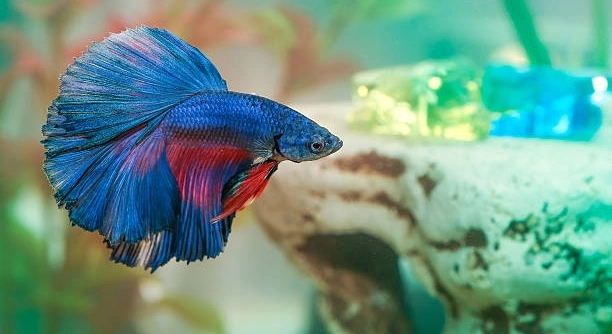
Betta fish are a popular choice for many aquarium enthusiasts, with their colorful fins and lively personalities. However, understanding their water preferences is important for their well-being. This guide will help clarify one of the most common questions about betta care.
Betta fish typically prefer still water with minimal flow. In the wild, they inhabit slow-moving or stagnant bodies of water, such as rice paddies and ponds. This preference helps reduce stress and allows them to swim comfortably.
Proper water flow management is essential for creating a healthy environment for your betta. Understanding these preferences can enhance your fish’s quality of life and ensure it thrives in your care.
The Importance of Water Flow for Betta Fish
Betta fish are not built for strong currents. In their natural habitat, they live in shallow waters where the flow is minimal. If your aquarium has a powerful filter or a current, it can cause your betta stress, leading to reduced activity and even health problems. Bettas need still water to feel secure and move freely without fighting against the flow.
To accommodate this, use gentle filtration or position the filter in a way that it doesn’t create a strong current. Avoid placing your betta near an air stone or any water movement device. Adjusting the filter to a lower setting will help in keeping the water calm.
When a betta is exposed to strong currents, it can have trouble swimming, which can cause fatigue or stress. Even if they appear to be fine, continuous exposure to high flow can lead to issues like fin damage or decreased appetite. Creating a tranquil environment allows your betta to thrive and stay active, promoting better overall health.
Choosing the Right Aquarium Setup
A still water setup is key to maintaining a healthy betta aquarium. Use a filter that allows you to control the flow rate.
A sponge filter is a good option because it offers gentle filtration without creating a strong current. You can also use an adjustable powerhead that lets you fine-tune the flow.
Maintaining Water Quality
Proper water quality is crucial for your betta’s health. Clean water keeps them free from stress and prevents disease. Regular water changes and monitoring the ammonia, nitrite, and nitrate levels help maintain a healthy tank environment. It’s essential to invest in a reliable water testing kit.
To maintain water quality, change 25-50% of the water weekly. Avoid overfeeding, as leftover food can contaminate the water. Always treat tap water with a dechlorinator to ensure your betta doesn’t suffer from harmful chemicals. Keeping the water clean not only helps your fish but also ensures the aquarium remains beautiful.
Filtration plays a major role in maintaining water quality. A filter should remove waste and toxins without creating a strong current. If your filter is too strong, it will disrupt the calm environment needed for your betta. Regularly clean the filter to ensure optimal performance and water clarity. Keeping the tank clean can be as simple as staying on top of regular maintenance and water testing.
Adjusting Temperature for Comfort
Betta fish are tropical and thrive in warm water. Ideal water temperature for bettas is between 76°F and 82°F. Any drastic temperature fluctuation can cause stress and weaken your betta’s immune system. A stable temperature is key to their health.
Use a reliable aquarium heater to maintain a consistent temperature in the tank. Make sure the heater is properly sized for your tank and never exceeds the recommended temperature range. Regularly check the water temperature to avoid overheating or cooling down, which can lead to stress. A thermometer in the tank is essential for monitoring.
The Right Tank Size
Betta fish need enough space to swim freely. A tank that’s too small can cause stress, leading to poor health. Aim for at least a 5-gallon tank to give your betta ample room. Larger tanks also help maintain stable water parameters.
A 5-gallon tank gives your betta room to explore, creating a less stressful environment. A smaller tank may result in less oxygen and poor water quality, which can affect your betta’s health. When choosing a tank, make sure it’s the right size for the fish and any other potential tank mates.
Providing Hiding Spots
Betta fish need places to hide and feel secure. Adding plants, caves, or decorations can give your betta a safe space. This reduces stress and encourages natural behavior.
Decorations help mimic the betta’s natural habitat. They also provide an area where your fish can retreat when feeling threatened. This contributes to a more relaxed, comfortable environment.
FAQ
Do Betta fish like still water?
Yes, bettas prefer still water. In the wild, they inhabit slow-moving or stagnant bodies of water like ponds and rice paddies. Strong currents can cause stress and exhaustion, so a tank with minimal water flow is ideal for their well-being.
What is the best way to manage water flow for a Betta?
To manage water flow, use a gentle filter or a sponge filter. Position the filter so it doesn’t create a strong current. You can also use an adjustable powerhead to control the flow rate. This ensures your betta is comfortable without struggling against strong currents.
How often should I clean my Betta’s tank?
Betta tanks should be cleaned regularly to maintain water quality. Perform partial water changes of 25-50% every week to keep the environment clean. It’s also important to clean the substrate and decorations to prevent waste buildup. Regular maintenance ensures a healthier tank for your betta.
Can I put a Betta fish in a small tank?
While you can house a betta in a smaller tank, it’s best to have at least a 5-gallon tank. Smaller tanks are harder to maintain, as water conditions can change quickly. A 5-gallon tank provides stability and allows your betta to swim freely, which reduces stress.
What temperature does my Betta fish need?
Betta fish thrive in warm water. The ideal water temperature for a betta is between 76°F and 82°F. If the water gets too cold or too warm, it can lead to stress and illness. Use a reliable aquarium heater to maintain a consistent temperature.
How can I tell if my Betta is stressed?
Signs of stress in a betta fish include lethargy, loss of appetite, fins clamped tightly against the body, and discoloration. Stress can result from factors like improper water temperature, poor water quality, or tank mates that cause discomfort. Make sure the environment is suitable to prevent stress.
Can I keep other fish with my Betta?
Betta fish can be aggressive, especially towards other males. However, they may tolerate peaceful species like snails or certain types of catfish. If you decide to add other fish, ensure they are compatible and avoid fin-nipping species. Always monitor behavior when introducing tank mates.
Do Betta fish need a filter?
While not strictly necessary, a filter helps maintain water quality by removing waste and toxins. It’s important to choose a filter with adjustable flow to prevent strong currents. A filter can make water maintenance easier, but if you don’t use one, you’ll need to do more frequent water changes.
How do I feed my Betta?
Betta fish are carnivores, so feed them high-quality betta pellets or frozen food like bloodworms, brine shrimp, or daphnia. Feed your betta once or twice a day. Only give them as much food as they can eat in 2-3 minutes to avoid overfeeding, which can pollute the water.
How long do Betta fish live?
Betta fish typically live for 2 to 4 years, although some may live longer with proper care. Factors like water quality, diet, and tank conditions all influence lifespan. With a healthy environment and good care, your betta can live a long and happy life.
How do I prevent Betta fin rot?
To prevent fin rot, maintain clean water and avoid overfeeding. Poor water quality and stress are common causes of fin rot. If fin rot occurs, treat the water with appropriate medication and ensure the tank is clean. Keeping your betta’s environment stable and stress-free will help prevent this condition.
Do Betta fish need plants in their tank?
Adding plants to your betta’s tank is beneficial. Live plants provide hiding spots and reduce stress. They also help maintain water quality by absorbing excess nutrients. Plants like Java fern or Anubias are great choices because they are easy to care for and won’t disturb your betta.
How do I acclimate a Betta to a new tank?
When introducing a betta to a new tank, float the bag in the aquarium for about 15-20 minutes to equalize the water temperature. Then, gradually add small amounts of the tank water into the bag. After 30 minutes, gently release your betta into the tank. Avoid adding water from the bag to your tank.
What should I do if my Betta isn’t eating?
If your betta isn’t eating, check for signs of illness or stress. Common causes include poor water quality, incorrect temperature, or incompatible tank mates. Ensure the water conditions are optimal and remove any uneaten food. If the problem persists, consider consulting an aquarium specialist.
Are Betta fish good pets for beginners?
Betta fish can make great pets for beginners due to their low maintenance needs and vibrant colors. However, they do require specific care, such as warm water and a suitable tank size. By following the proper care guidelines, you can easily maintain a healthy environment for your betta.
Final Thoughts
Betta fish can be an enjoyable and relatively easy pet to care for when their basic needs are met. They thrive in a stable environment with proper water temperature, clean water, and the right amount of space. While they are known for their vibrant colors and active personalities, bettas are also sensitive to changes in their environment. Maintaining a peaceful habitat is key to ensuring their health and happiness. A simple setup with a 5-gallon tank, proper filtration, and regular water changes will provide the foundation for a long and healthy life for your betta.
Taking the time to understand your betta’s preferences and natural instincts is essential in keeping them healthy. Unlike other fish species, bettas are territorial and may display aggression toward other fish, especially other males. Choosing compatible tank mates or providing a tank with no other fish can help prevent stress and unnecessary conflict. Betta fish also need a variety of food options that meet their carnivorous dietary needs. Offering a balanced diet of high-quality pellets and occasional live or frozen food will keep your betta well-nourished.
Overall, caring for a betta fish is manageable, provided you stay consistent with their care routine. Regular water changes, temperature monitoring, and offering a suitable tank size are the most important factors in creating a healthy environment. With attention to these details, your betta will live a long and fulfilling life, offering you years of colorful, peaceful companionship. Understanding their needs and maintaining their habitat will help ensure that your betta thrives in your care.

Hello,
If you enjoy the content that we create, please consider saying a "Thank You!" by leaving a tip.
Every little bit helps us continue crafting quality advice that supports the health, happiness, and well-being of pets around the world, for pets of all shapes, sizes, and species.
We really appreciate the kindness and support that you show us!