
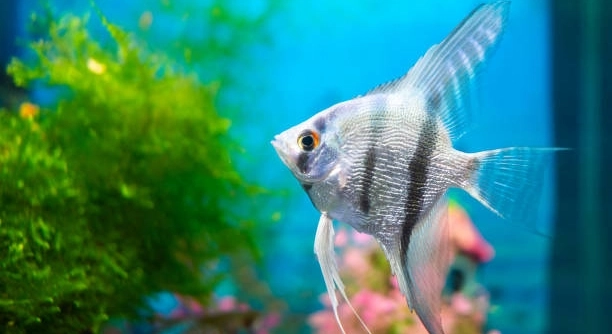
Angelfish are a popular choice for aquariums due to their beauty and peaceful nature. Setting up their environment properly can ensure they thrive. One important factor to consider is the water flow in their tank.
Angelfish prefer calm to moderate water flow. They are not well-suited for tanks with strong currents, which can cause stress and negatively impact their health. Ensuring proper water movement is essential for their comfort and well-being.
Understanding how water flow affects angelfish helps create the ideal tank environment, promoting their overall health and happiness.
Why Water Flow Matters for Angelfish
Angelfish thrive in environments with gentle water movement. Strong currents can stress them, making them feel vulnerable and uncomfortable. A calm environment allows them to swim gracefully and forage without struggling against the current. The correct water flow helps maintain their natural behavior and reduces stress. This is particularly important for angelfish in tanks where they may already face other challenges, like fluctuating water temperature or improper lighting.
Angelfish are known to prefer areas of slow-moving water in their natural habitats. Mimicking this environment in the tank provides a more suitable habitat. Without the right conditions, your angelfish may show signs of distress, such as erratic swimming or hiding.
Ensuring the right water flow can be done by placing the filter in a way that avoids direct, strong currents. You can also use a spray bar or add live plants to break up the water movement. Keeping the water flow moderate will not only benefit your angelfish but also promote a healthier environment for other tank inhabitants.
Adjusting Water Flow in Your Tank
Maintaining the ideal water flow can be tricky. By adjusting filter settings or using gentle water pumps, you can create a calm environment. It’s best to experiment and observe your fish’s behavior.
When setting up a tank for angelfish, consider using a filter that allows you to control the water flow. A filter with adjustable settings ensures that you can cater to the needs of your fish.
Effects of Too Much Water Flow
When angelfish are exposed to too much water movement, they may struggle to swim and feel stressed. This can lead to lethargy and a lack of appetite. Over time, constant stress can weaken their immune system, making them more susceptible to diseases.
Too much water flow disrupts the natural balance in the tank. Angelfish are slow swimmers and do not have the stamina to fight strong currents. If the water is too fast, they may try to hide in corners or behind objects in the tank. Stress from water movement can also make them more aggressive towards other fish.
To minimize stress, place the filter or pump in a location that avoids direct flow on the angelfish. Consider using aquarium decorations or plants to break the current. This allows your angelfish to swim freely and comfortably, maintaining a healthier and less stressful environment for them.
Signs of Stress in Angelfish
When angelfish are stressed from high water flow, they often display certain behaviors. These include erratic swimming, hiding, or staying near the bottom of the tank. Their fins may also be clamped, indicating discomfort.
Monitoring your angelfish’s behavior is crucial. If you notice they are less active or spending too much time in a corner, it’s a clear sign that the water flow may be too strong. Adjusting the flow can often help restore normal behavior and increase their overall well-being.
Best Tank Setup for Angelfish
For an angelfish tank, use a filter that creates a gentle flow. Place decorations like rocks and plants to disrupt the current. Avoid powerheads that produce strong water movement. A tank size of at least 30 gallons helps keep water flow manageable and provides enough space for angelfish to feel comfortable.
The key to a successful setup is creating an environment that mimics natural conditions. Angelfish come from slow-moving rivers and ponds, so a calm tank with some movement, but not too much, is ideal. Keep the filter flow at a low setting and watch how the fish respond.
Ideal Water Temperature for Angelfish
Angelfish prefer a water temperature between 76-82°F (24-28°C). Keeping the water within this range promotes better health, reduces stress, and encourages normal behavior. Use a heater to maintain stable temperatures, especially in colder climates, and ensure the aquarium’s temperature doesn’t fluctuate too much throughout the day.
FAQ
Do angelfish like strong water flow?
No, angelfish do not thrive in strong water currents. They prefer calm or gently moving water, similar to their natural habitat in slow-moving rivers and ponds. Strong water flow can cause stress, making them less active and more prone to health issues.
How can I create a calm environment for my angelfish?
To create a calm environment, choose a filter with adjustable flow settings. You can also position the filter so it doesn’t blow water directly across the tank. Adding plants and decorations helps break up the flow, providing angelfish with areas to hide from stronger currents. Keeping the water movement moderate promotes a peaceful atmosphere.
What is the best type of filter for angelfish?
A sponge filter or a canister filter with adjustable flow rates is ideal for angelfish. These filters provide efficient filtration while allowing you to control the water flow. Sponge filters are especially gentle, making them suitable for tanks with delicate species like angelfish.
Can I use a powerhead in an angelfish tank?
It’s best to avoid using powerheads in an angelfish tank. Powerheads create a strong, concentrated water flow that can stress out your angelfish. If you must use one, make sure it’s positioned in a way that the current doesn’t directly affect the fish. Consider using a spray bar to diffuse the flow.
How can I tell if my angelfish is stressed from water flow?
Signs of stress from water flow include hiding, staying near the bottom, or clamping fins. If your angelfish is swimming erratically or seems to be constantly battling the current, the water flow may be too strong. Pay close attention to their behavior and adjust the water flow accordingly.
Is it okay to have a filter that creates some movement in the tank?
Yes, a little movement is perfectly fine for angelfish. They do well in gently flowing water, so long as the current is not too strong. A filter that provides light water movement can help oxygenate the tank while still allowing your angelfish to swim comfortably. Just ensure the flow isn’t overwhelming.
How often should I check the water flow in my angelfish tank?
It’s a good idea to check the water flow regularly, especially after adjusting the filter settings. If you notice any changes in your angelfish’s behavior, such as them becoming more lethargic or hiding, it may be time to reassess the water flow. Regular maintenance of your filter will also ensure it continues to work effectively.
Can angelfish live with other fish in a tank with strong water flow?
While angelfish can live with other fish, a tank with strong water flow is not suitable for most species, including angelfish. Fish that prefer calm waters may have trouble competing with strong currents. Opt for species that are more adaptable to fast-moving water if you need to use a strong filter.
What are the ideal tank conditions for angelfish?
Angelfish prefer a well-maintained tank with stable water conditions. The water temperature should be kept between 76-82°F (24-28°C), and the pH level should be slightly acidic to neutral. Additionally, the tank should have gentle water movement, enough space for swimming, and plenty of hiding spots to reduce stress.
How do I reduce water flow without affecting filtration?
To reduce water flow without compromising filtration, consider using a sponge filter, which is less disruptive to the water. Alternatively, adjust your canister filter to a lower setting or position the intake away from areas where the angelfish frequent. Adding plants or decorations can also help diffuse the flow.
Can I add a water pump for circulation in my angelfish tank?
If you use a water pump, ensure that it’s adjustable and set to a low flow rate. Angelfish don’t need heavy water circulation. A low-power pump can help with water movement and oxygenation without creating the strong currents that would stress your fish. Keep the pump’s flow rate in check.
Final Thoughts
Angelfish are beautiful and peaceful aquarium fish, but they require specific conditions to thrive. Water flow is one of the most important factors in creating a healthy tank environment. Angelfish prefer calm, slow-moving water, and strong currents can lead to stress, which may cause health issues or disrupt their natural behavior. Ensuring a gentle water flow in the tank can help your angelfish feel safe and comfortable.
Maintaining the right water flow involves adjusting your filter settings, selecting the appropriate filter type, and positioning it carefully. A sponge filter or a canister filter with adjustable flow can be a good choice. The goal is to create a gentle, natural environment that mimics their natural habitat. Adding decorations like plants or rocks can also help break up the flow and create areas where your angelfish can swim freely. By controlling the water flow, you can reduce stress and improve the overall health of your fish.
Remember, water flow is just one aspect of setting up a proper tank for angelfish. Other factors, such as water temperature, pH levels, and tank size, also play a role in their well-being. Keeping these factors in balance will ensure that your angelfish have a comfortable and safe home. By providing the right conditions, you can help your angelfish thrive and enjoy a long, healthy life in your aquarium.

Hello,
If you enjoy the content that we create, please consider saying a "Thank You!" by leaving a tip.
Every little bit helps us continue crafting quality advice that supports the health, happiness, and well-being of pets around the world, for pets of all shapes, sizes, and species.
We really appreciate the kindness and support that you show us!