
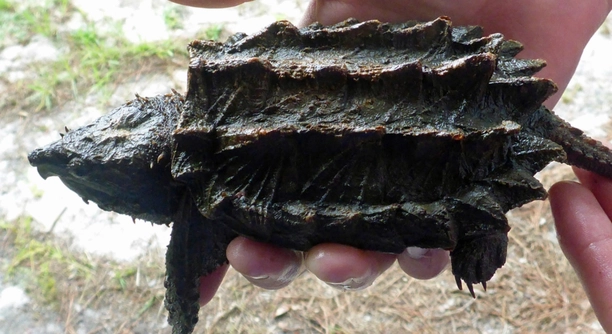
Alligator snapping turtles are fascinating creatures, known for their unique appearance and behavior. As these reptiles are often kept as pets, many wonder about the depth of their bond with their owners and how they interact with them.
Alligator snapping turtles possess a limited ability to recognize their owners. Though they can become accustomed to their environment and associate food with certain individuals, they do not form deep, lasting emotional connections like some mammals.
Understanding how these turtles interact with humans helps explain their behavior and shows the subtle ways they respond to familiar faces.
The Behavior of Alligator Snapping Turtles
Alligator snapping turtles are known for their slow and deliberate movements. They are not as interactive with humans as some other reptiles, like certain species of lizards or snakes. In the wild, these turtles primarily focus on hunting and hiding in their natural habitat. When kept as pets, they may become more familiar with the routines and sounds around them, but this does not equate to forming bonds like mammals do. They may begin to associate their owners with feeding times, recognizing the person who feeds them.
This familiarity is often mistaken for affection, but it is more likely the result of conditioning. These turtles are naturally solitary creatures, and their behavior is centered around survival rather than social interaction. It’s essential to understand that their recognition of humans is not based on emotional attachment, but rather on routine and food.
Understanding their limited social behavior can help owners appreciate the unique traits of alligator snapping turtles and care for them accordingly. Their responses are less about connection and more about survival and comfort in their environment.
Recognizing Their Owners
It is important to note that alligator snapping turtles can distinguish their owners, primarily through food. These reptiles are keenly aware of the sound of feeding time, allowing them to associate their owners with the promise of food.
Over time, an alligator snapping turtle may recognize the person who provides its meals and react accordingly, but it does not develop a deeper emotional connection. This recognition is driven mainly by routine, rather than affection or bonding. This behavior can be observed through the turtle’s increased activity when it hears the familiar sounds of feeding, such as the opening of a tank or the sound of water splashing. Despite this recognition, the turtle’s behavior is still quite distant and non-social. Unlike pets such as dogs or cats, alligator snapping turtles are not inclined to seek out human attention or interaction beyond what is necessary for their care. Understanding this will help owners manage expectations when it comes to forming a bond with their turtles.
How They React to Their Owners
Alligator snapping turtles can show recognition, particularly during feeding time. While they don’t bond emotionally, they may respond to their owner’s presence. They associate feeding routines with the person who provides the food.
When an alligator snapping turtle sees or hears its owner approach, it may become more active. This could mean swimming toward the surface or moving towards the area where it is usually fed. They do not, however, approach for affection but instead react based on the association with food. Over time, the turtle can start to show this behavior more regularly if the feeding routine is consistent. However, this reaction is more a learned response than an emotional bond.
Despite their ability to recognize their owners, alligator snapping turtles are not social creatures. They tend to avoid interaction and prefer a more solitary life, even in captivity. Their response to humans is centered around basic needs rather than companionship. This means they might not seek attention or even tolerate being handled for extended periods. Recognizing these behaviors is key to understanding what the turtle values in its environment.
The Importance of Routine
Alligator snapping turtles thrive on routine, especially when it comes to feeding times. They do best when their environment is consistent. Maintaining a regular feeding schedule can help them recognize their owners.
Turtles are creatures of habit. The sound of a food container or the same hand feeding them will trigger their recognition, but this is about survival, not affection. Keeping a predictable schedule allows them to feel more secure. It also encourages the kind of behavior where they are more likely to come to the surface when they see their owner. This kind of routine is essential in helping the turtle adjust to life in captivity. Unlike some reptiles that may seek social interaction, the snapping turtle’s behavior remains focused on its immediate needs. They may not form attachments in the way many expect, but they learn to expect certain things from their environment and the people in it.
Are Alligator Snapping Turtles Good Pets?
Alligator snapping turtles can make interesting pets, but they require careful attention. They need specific tank conditions, including proper temperature, water quality, and adequate space. Their diet also needs to be balanced to ensure they remain healthy.
These turtles are not ideal pets for beginners. They require experience with reptile care and a commitment to maintaining their environment. While they are low-maintenance in some areas, their specific needs for habitat and diet can be demanding. Additionally, their solitary nature means they do not crave interaction, making them less engaging for some pet owners.
Tank Requirements
The alligator snapping turtle requires a large, secure tank with enough water for swimming and space for basking. Proper filtration is essential to keep the water clean.
Turtles are sensitive to changes in water conditions. Maintaining the right temperature and water pH is crucial for their health. The tank should also include a basking area where they can dry off and regulate their body temperature. Alligator snapping turtles are semi-aquatic, so they need both land and water space to thrive. A secure lid is necessary to prevent escape, as these turtles are known to be quite strong and determined when it comes to moving around. Proper tank setup is essential to keeping your turtle safe and healthy.
FAQ
Do alligator snapping turtles recognize their owners?
Alligator snapping turtles can recognize their owners, but not in the way dogs or cats do. They tend to associate their owners with food, especially if they are the ones providing it regularly. This recognition is more about routine than emotional attachment. The turtle may become more active or swim to the surface when it hears the familiar sounds of feeding. However, their recognition is limited to these routines, not an emotional bond.
How long do alligator snapping turtles live?
Alligator snapping turtles can live for a long time, often reaching 30 to 50 years in captivity, sometimes even longer with proper care. Their life expectancy in the wild can also be quite long, though their survival is affected by environmental factors and predators. In captivity, if they are provided with the correct environment and diet, they can live to their full lifespan. Proper care is crucial to ensuring they reach their full potential.
What do alligator snapping turtles eat?
Alligator snapping turtles are primarily carnivorous. Their diet includes fish, amphibians, birds, and small mammals. In captivity, they are often fed a mix of raw meat, such as chicken, fish, and even earthworms. They also need a diet high in calcium and other nutrients to keep their shells healthy. In some cases, commercial turtle food can be supplemented with fresh fruits and vegetables, but it is essential to focus mainly on animal protein.
Do alligator snapping turtles need a large tank?
Yes, alligator snapping turtles require a large tank to thrive. They need plenty of space to swim, dive, and explore. A minimum of a 100-gallon tank is recommended for a single turtle, though larger is better. The tank should have a deep water area, as these turtles are semi-aquatic and prefer to swim. Additionally, they need a basking area where they can dry off and rest. If their environment is too small, it can stress the turtle and affect its health.
Can alligator snapping turtles be handled?
Alligator snapping turtles are not particularly social and generally do not enjoy being handled. They are solitary creatures and tend to prefer staying in the water or basking alone. Handling should be kept to a minimum, as it can stress them out. If you need to handle them, do so gently and for short periods. It’s essential to respect their space to prevent causing stress or injury.
Are alligator snapping turtles aggressive?
Alligator snapping turtles can be aggressive, particularly if they feel threatened. They have strong jaws capable of delivering a painful bite. In the wild, they rely on their strong bite to capture prey and protect themselves from predators. In captivity, they may bite if they feel cornered or threatened, so it’s important to handle them carefully and avoid provoking them. It’s also advised to never place your hands near their mouths.
What temperature should the water be for an alligator snapping turtle?
The water temperature for alligator snapping turtles should be kept between 72°F and 78°F (22°C to 26°C). Water that is too cold or too hot can cause health problems, such as sluggishness or a weakened immune system. A reliable water heater and thermometer should be used to maintain the correct temperature in the tank. Additionally, it’s important to regularly check water quality and pH levels to ensure a healthy environment for your turtle.
Do alligator snapping turtles need UV light?
Yes, alligator snapping turtles need access to UVB light, especially in captivity. UVB light helps them synthesize vitamin D3, which is crucial for calcium absorption and healthy shell development. Without proper UVB exposure, they can suffer from metabolic bone disease or shell deformities. A UVB light source should be placed over the basking area, and the turtle should have access to it for several hours a day.
How often should I feed my alligator snapping turtle?
Alligator snapping turtles should be fed every 2 to 3 days in captivity. Their diet can consist of raw meat, fish, and occasionally some vegetables. The amount of food will depend on the turtle’s size and age. Hatchlings require more frequent feeding, while adult turtles can eat less often. Overfeeding should be avoided, as it can lead to obesity and other health issues.
Can alligator snapping turtles live with other pets?
Alligator snapping turtles are solitary creatures and do not typically do well with other animals in the same enclosure. They can be territorial and may view smaller animals, including fish, amphibians, or even other turtles, as prey. It’s best to keep them in a separate tank to avoid stress and aggression. If housed with other pets, the turtles need to have their own space where they can feel secure.
Final Thoughts
Alligator snapping turtles can be fascinating pets, but they require a lot of attention and care. Their specific needs make them suitable only for experienced pet owners who can provide the right environment. These turtles can live for decades, so adopting one is a long-term commitment. A large tank with proper filtration, UVB lighting, and temperature control is essential to their well-being. Their diet, consisting mainly of animal proteins, also plays a key role in keeping them healthy.
While alligator snapping turtles can recognize their owners, their bond is not the same as with more interactive pets like dogs. They associate their owners with food and feeding routines, but they do not develop emotional connections. This means they are not the type of pet that seeks affection or attention. They are solitary creatures, content with their own space, and do not require constant interaction. If you’re looking for a pet that enjoys companionship, this may not be the right choice for you.
Before getting an alligator snapping turtle, it’s important to fully understand what they require. Their solitary nature, long lifespan, and need for a carefully maintained environment can make caring for them demanding. However, if you are prepared for these challenges, they can make unique and rewarding pets. Just remember that they are not low-maintenance and require a significant investment of time, effort, and resources. With the right care, an alligator snapping turtle can thrive and live for many years, providing an interesting and low-interaction pet experience.

Hello,
If you enjoy the content that we create, please consider saying a "Thank You!" by leaving a tip.
Every little bit helps us continue crafting quality advice that supports the health, happiness, and well-being of pets around the world, for pets of all shapes, sizes, and species.
We really appreciate the kindness and support that you show us!