
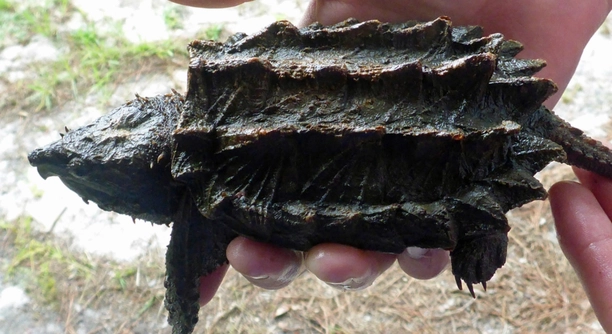
Alligator snapping turtles are fascinating reptiles, often found in aquatic habitats. As a pet owner, you may wonder how to provide the best care for them, especially regarding their lighting needs.
Alligator snapping turtles do benefit from UVB light, as it helps them synthesize vitamin D3, which is crucial for their bone health and overall well-being. Providing UVB light is essential for their long-term care.
Ensuring they receive the proper UVB light is just one part of keeping them healthy. Learn how it impacts their care and what steps you can take to create the ideal environment for your turtle.
Why UVB Light is Important for Alligator Snapping Turtles
UVB light is essential for all reptiles, including alligator snapping turtles. It helps them produce vitamin D3, which is crucial for absorbing calcium. Without enough UVB exposure, these turtles can suffer from metabolic bone disease, which affects their bones and overall health. In the wild, they receive natural UVB light from the sun. However, in captivity, it’s necessary to replicate this condition. A UVB light source mimics the sun’s rays, ensuring your turtle gets the needed vitamin D3 to keep bones strong and healthy.
Setting up a proper UVB light source for your turtle requires some attention. You can choose between different UVB bulbs, such as compact fluorescent or mercury vapor bulbs. The best choice will depend on the size of your turtle’s enclosure and the type of light available. It’s also important to position the light correctly. Placing it too far away will reduce its effectiveness, while placing it too close can cause overheating.
Alligator snapping turtles need about 10-12 hours of UVB exposure daily. To ensure their health, a timer for the UVB light can help maintain a consistent day-night cycle. Regularly replacing the bulb is important because UVB bulbs lose their effectiveness over time, even if they still emit light.
How to Set Up UVB Lighting for Your Turtle
Setting up UVB lighting properly can be simple if you follow the correct steps. It starts with selecting the right bulb and fixture.
Choose a UVB bulb that matches the size of your turtle’s habitat. You’ll also need a bulb that provides a good balance of UVA and UVB rays. These lights should be positioned directly over the basking area, as that’s where your turtle will soak up the most UVB.
Types of UVB Lighting for Alligator Snapping Turtles
There are different types of UVB bulbs to choose from, and each has its benefits.
Compact fluorescent bulbs are often a more affordable option, but they need to be replaced more often. They provide good UVB output for smaller enclosures. Mercury vapor bulbs, on the other hand, offer both UVB and heat, making them ideal for larger setups or basking areas. These bulbs tend to last longer and are great for creating a warm environment.
Another option is the T5 high-output fluorescent tube, which provides higher UVB output and is often more energy-efficient. This type of bulb is great for larger enclosures, as it distributes UVB light evenly across the area. Be sure to choose the appropriate wattage and distance from the basking area to ensure effective UVB exposure.
How Often Should UVB Lighting be Replaced?
UVB bulbs lose their ability to emit UVB rays over time.
It’s essential to replace your UVB bulb every 6 to 12 months, even if it still appears to be working. Over time, the UVB output will decrease, and your turtle won’t receive the full benefits. Some bulbs have a built-in timer to help you remember when to replace them, while others will need a reminder. It’s a good practice to track the date of replacement so you can be sure to provide consistent UVB light.
Make sure to check the manufacturer’s guidelines for your specific bulb, as some bulbs are rated for longer use than others. However, it’s always better to replace your bulb too soon than too late. If you’re unsure whether your UVB bulb is still effective, you can use a UVB meter to measure the output.
UVB Lighting and Basking Areas
Your turtle needs a proper basking area to absorb UVB light effectively.
The basking area should be placed directly under the UVB light, and it should be positioned at the right distance from the bulb. If it’s too far, your turtle won’t get enough UVB. If it’s too close, it could overheat.
The Role of Temperature in UVB Lighting
Temperature is crucial when setting up UVB lighting.
UVB lighting alone won’t provide a healthy environment. You also need to ensure your turtle’s basking area is warm enough. Ideal basking temperatures range from 85°F to 95°F. This heat helps your turtle absorb UVB rays efficiently and promotes proper digestion and metabolism. It’s best to have a thermometer to monitor the temperature regularly.
FAQ
Do alligator snapping turtles need UVB light in the wild?
Yes, alligator snapping turtles get natural UVB exposure in the wild. They bask in the sun to absorb UVB rays, which help them synthesize vitamin D3. This is essential for their health, especially for proper bone growth and calcium absorption. In captivity, replicating this exposure with UVB lighting is necessary since they no longer have access to natural sunlight.
How long should alligator snapping turtles be exposed to UVB light?
Alligator snapping turtles should have 10-12 hours of UVB light exposure each day. It mimics the natural day-night cycle and helps your turtle maintain its health. To make this easier, using a timer for the UVB light ensures they get consistent exposure without too much or too little.
What happens if an alligator snapping turtle doesn’t get enough UVB light?
If they don’t get enough UVB light, alligator snapping turtles may develop metabolic bone disease. This condition can cause soft, brittle bones and even deformities. Without vitamin D3 synthesis, they can also experience poor growth and digestion issues. Providing proper UVB light is crucial for preventing these health problems.
Can I use regular light bulbs for my turtle’s enclosure?
No, regular light bulbs do not provide UVB light. Alligator snapping turtles need specialized UVB bulbs, which emit the necessary UV rays for their health. Regular bulbs only provide visible light and heat, which are not sufficient for their vitamin D3 production. Always use a UVB-specific light to ensure proper care.
What type of UVB bulb is best for an alligator snapping turtle?
Mercury vapor bulbs are often the best choice, as they provide both UVB light and heat. These bulbs are ideal for creating a warm basking area with adequate UVB exposure. However, if your setup doesn’t require additional heat, a T5 fluorescent UVB bulb is a great choice for even and efficient UVB distribution. It’s essential to choose a bulb that suits your turtle’s enclosure size and needs.
How far should the UVB light be from my turtle?
The UVB light should be positioned about 6 to 12 inches above your turtle’s basking area, depending on the strength of the bulb. For stronger UVB bulbs like mercury vapor bulbs, the light can be placed farther away. Be sure to read the manufacturer’s instructions to know the ideal distance for the specific bulb you’re using.
How do I know if the UVB light is working properly?
Over time, UVB bulbs lose their effectiveness even if they still emit visible light. A UVB meter can measure the light output to ensure your turtle is receiving enough UVB. If you don’t have a UVB meter, replace the bulb every 6-12 months as a precaution to maintain optimal light levels.
Is UVB lighting enough for my turtle’s health?
UVB lighting is essential, but it’s not the only factor in your turtle’s health. You also need to provide proper temperature regulation in their habitat. The basking area should be kept between 85°F and 95°F, as this helps them digest food and absorb UVB light effectively. A balanced diet with proper calcium supplementation is also important.
Can I turn off the UVB light at night?
Yes, you should turn off the UVB light at night to mimic the natural day-night cycle. Alligator snapping turtles need rest during the night, and continuous light can disrupt their sleep. If you’re using a heat lamp, you can leave that on during the night, but make sure the environment stays at the proper nighttime temperature, around 70°F.
Can I use a UVB light in a turtle tank with water?
Yes, you can use a UVB light in a turtle tank, but it’s essential to set it up above the waterline, focusing on the basking area. UVB light cannot penetrate through water effectively, so your turtle needs to bask under the light to receive its full benefits. Ensure the basking area is dry, as your turtle will absorb UVB more efficiently when out of the water.
How long does it take for UVB light to affect my turtle’s health?
It may take a few weeks to a couple of months for you to notice the benefits of UVB light. Proper UVB exposure helps turtles with calcium absorption, which supports bone health and growth. However, the effects may not always be immediately visible, but consistent UVB lighting will improve their overall well-being in the long run.
Is there a risk of overexposing my turtle to UVB light?
While it’s important for your turtle to get enough UVB light, overexposure is unlikely if you follow the recommended guidelines. The key is to maintain the proper distance from the light and keep the exposure time to 10-12 hours daily. If you’re concerned, use a timer to prevent too much light exposure, which can lead to stress or overheating.
Do UVB lights provide enough heat for my turtle?
Some UVB bulbs, like mercury vapor bulbs, provide both UVB light and heat. However, if you’re using a separate UVB bulb (like a fluorescent one), you will need an additional heat source, such as a basking lamp or ceramic heat emitter, to maintain proper temperature levels in the enclosure. Make sure to check the temperature regularly to ensure your turtle stays warm enough.
Final Thoughts
Alligator snapping turtles need UVB light for their health, as it helps them produce vitamin D3, which is vital for strong bones and proper calcium absorption. In the wild, these turtles naturally get UVB from the sun. However, in captivity, providing a proper UVB light source is crucial. Without UVB exposure, your turtle could develop serious health problems, such as metabolic bone disease. It’s important to provide the right kind of light to replicate their natural environment and ensure they stay healthy.
Setting up UVB lighting for your turtle is relatively simple but requires attention to detail. You need to choose the right type of UVB bulb, place it the correct distance from your turtle’s basking area, and make sure it’s on for 10 to 12 hours a day. The most common options are compact fluorescent bulbs, mercury vapor bulbs, and T5 fluorescent bulbs. Each type has its benefits, but it’s important to match the right bulb to the size of your enclosure and the specific needs of your turtle. Monitoring the light’s effectiveness is also key, as bulbs lose their ability to emit UVB over time, even if they still produce visible light.
Beyond UVB lighting, you must also provide the proper temperature for your turtle. A basking area should be kept between 85°F and 95°F, as this temperature helps with digestion and the absorption of UVB light. The environment should mimic their natural habitat as closely as possible. In addition to UVB light and heat, be sure to maintain a clean and safe space for your turtle. Proper care, which includes proper UVB exposure, heating, and diet, is essential for your alligator snapping turtle’s long-term health and happiness. By following these guidelines, you can create the best environment for your pet.

Hello,
If you enjoy the content that we create, please consider saying a "Thank You!" by leaving a tip.
Every little bit helps us continue crafting quality advice that supports the health, happiness, and well-being of pets around the world, for pets of all shapes, sizes, and species.
We really appreciate the kindness and support that you show us!