
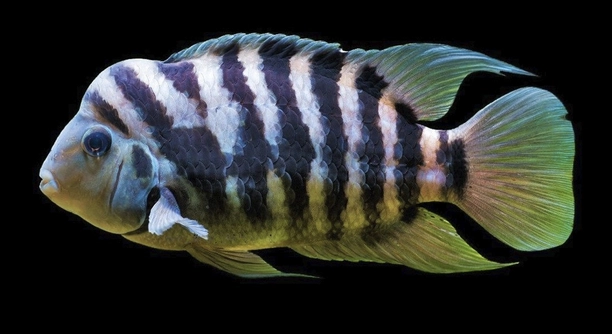
African cichlids are popular aquarium fish known for their vibrant colors and active behavior. Many enthusiasts wonder about the best water conditions to keep them healthy and comfortable. Water movement plays an important role in their environment and well-being.
African cichlids generally prefer environments with moderate water flow, which helps maintain oxygen levels and simulates their natural habitats. Excessive stillness or strong currents can cause stress, affecting their health and behavior adversely.
Understanding their water preferences is essential for creating a suitable tank environment. Proper water flow can improve their overall condition and enjoyment in captivity.
Natural Habitats of African Cichlids
African cichlids come from various lakes and rivers in Africa, where water conditions can vary significantly. Many species originate from Lake Malawi, Lake Tanganyika, and Lake Victoria. These lakes have areas with both still water and flowing currents, creating diverse environments. In Lake Malawi, for example, cichlids often live near rocky shores where water movement is moderate. The flow helps bring oxygen and remove waste, which keeps the habitat healthy. Some species prefer calmer waters near the lakebed or sheltered bays, while others thrive in stronger currents. Understanding these natural settings helps replicate their environment in an aquarium. Mimicking moderate water flow is usually best, as it balances oxygen supply and comfort. Providing hiding spots with rocks or plants also helps reduce stress, making the fish feel secure. A well-planned aquarium setup can improve the health and behavior of African cichlids by respecting their natural water preferences and habitats.
Water flow in their natural environment varies but usually stays moderate to gentle, not too strong or too still.
Adjusting your tank’s water flow to match these natural conditions is important. Using filters and pumps that create gentle currents without overwhelming the fish is ideal. You can observe their behavior to see if they swim comfortably or seem stressed by too much flow. Many African cichlids use rocks or plants as shelter from currents, which means adding decorations can help manage water movement effects. Keep in mind that different species might have slightly different needs. Regularly checking water quality, temperature, and flow will ensure your cichlids remain healthy. A balanced aquarium setup that reflects their natural habitat supports their vibrant colors and active nature.
Effects of Water Flow on Cichlid Behavior
Water flow impacts how African cichlids behave and interact. Moderate currents encourage natural swimming patterns and territorial displays.
In tanks with too strong water movement, cichlids may hide more often or show signs of stress, such as erratic swimming or reduced appetite. Conversely, very still water can lead to lower oxygen levels, which may make the fish sluggish and weaken their immune systems. Proper water circulation also helps disperse food and prevents buildup of harmful substances. When the flow is balanced, cichlids are more active, showing their typical vibrant colors and social behaviors. Watching your fish closely will reveal if they are adapting well to the water flow in your aquarium. Adjusting equipment to provide a stable, gentle current helps maintain a healthy environment and promotes natural behavior. This balance supports their well-being and longevity in a home aquarium.
Choosing the Right Water Flow Equipment
Selecting the proper equipment is essential for maintaining suitable water flow in your cichlid tank. Powerheads and adjustable filters are common choices that allow control over water movement.
Powerheads create targeted currents, which can be adjusted in strength and direction. Adjustable filters combine filtration and flow control, making them practical for balancing tank conditions. It’s important to choose equipment that suits the tank size and cichlid species. Overpowering pumps may create strong currents that stress the fish, while weak flow may cause stagnation. Placement matters too—positioning outlets near rocky areas or plants can mimic natural water flow patterns, giving fish places to rest. Regular maintenance ensures equipment works effectively without clogging, which could reduce flow and water quality. Combining proper equipment with thoughtful setup helps keep African cichlids comfortable and healthy.
Testing water flow regularly and adjusting equipment prevents sudden changes that can stress the fish. Using flow meters or observing fish behavior provides clues about the right flow level. Fish should swim naturally without struggling or avoiding certain tank areas. Equipment that allows gradual changes is preferable for stability.
Signs of Improper Water Flow
Poor water flow leads to stress and health problems in African cichlids. Symptoms include lethargy, faded colors, and unusual hiding behavior.
Weak flow can cause low oxygen levels, which result in sluggish movement and weak immune response. Strong currents may force fish to constantly swim against the flow, tiring them out. Behavioral changes like aggression or loss of appetite may also occur. Waste buildup in stagnant areas can increase ammonia levels, harming the fish. Noticing these signs early allows prompt adjustment of water movement. Proper flow improves oxygen exchange, removes debris, and encourages natural activity. Careful observation and maintenance help prevent issues and promote a stable environment for your cichlids to thrive.
Maintaining Water Flow Consistency
Consistent water flow is vital for the health of African cichlids. Sudden changes can cause stress and disrupt their natural behavior.
Regularly check your equipment to ensure it is functioning properly. Small adjustments over time are better than abrupt changes, which may confuse or harm the fish.
Impact of Tank Size on Water Flow
Larger tanks require stronger or multiple flow sources to maintain proper circulation. Smaller tanks need gentler flow to avoid overwhelming the fish. Balancing tank size and equipment helps provide a comfortable environment. Consider the species’ natural habitat and behavior when deciding on water flow strength.
Monitoring Fish Behavior
Observing how your cichlids respond to water flow is key. Signs of discomfort indicate the need for adjustment.
Water Flow and Oxygen Levels
Proper flow improves oxygen distribution, which supports fish health and vitality.
FAQ
What water flow speed is best for African cichlids?
African cichlids thrive in moderate water flow, similar to their natural lake habitats. Too strong a current can cause stress, while too little flow may reduce oxygen levels. Aim for a gentle, steady movement that encourages swimming without forcing the fish to struggle.
Can African cichlids adapt to different flow conditions?
Yes, many species can adapt to a range of water flow conditions, but sudden changes should be avoided. Gradual adjustments allow them to acclimate comfortably. Observing their behavior helps determine if the flow suits their needs.
How do I measure the water flow in my tank?
Water flow can be estimated using flow meters or by observing fish behavior. If fish seem to avoid certain areas or show signs of fatigue, the flow might be too strong. Conversely, sluggish or resting fish may indicate low flow or oxygen levels.
Is still water harmful to African cichlids?
Still water itself isn’t harmful, but it can lead to low oxygen levels and waste buildup. Proper filtration and occasional water movement prevent these issues, promoting a healthier environment.
Do different cichlid species prefer different water flow levels?
Yes, preferences vary by species and their native habitats. Some prefer calm, sheltered areas, while others live in rocky zones with stronger currents. Researching your specific species helps tailor tank conditions accordingly.
What equipment is best for creating moderate water flow?
Adjustable powerheads and filters are effective tools for creating moderate water flow. These allow control over flow strength and direction, enabling customization to suit your cichlids’ needs.
How often should I check the water flow in my aquarium?
Regular checks, at least weekly, ensure equipment works properly and flow remains consistent. Monitoring prevents sudden changes that could stress your fish.
Can plants and decorations affect water flow?
Yes, rocks, plants, and other decorations influence flow patterns. They can provide shelter from currents and create natural resting areas. Positioning equipment to work around these features mimics natural habitats more closely.
What are the signs that water flow is stressing my cichlids?
Signs include hiding excessively, frantic swimming, faded colors, and reduced appetite. Stress can weaken their immune system, making prompt adjustments necessary.
Does water flow impact breeding behavior in African cichlids?
Water flow can affect breeding by influencing comfort and territory. Moderate flow supports natural behaviors, while strong currents may disrupt nesting or caring for fry.
Can I use air stones to increase water movement?
Air stones add bubbles and surface agitation, improving oxygen exchange but don’t create strong currents. They can be a helpful addition alongside filters or powerheads.
How does water flow influence tank maintenance?
Proper water flow helps distribute heat, oxygen, and nutrients evenly while preventing debris buildup. This reduces the frequency of cleaning and maintains water quality.
Is it necessary to mimic natural water flow exactly?
Exact replication isn’t always possible or necessary. Aim for similar conditions that promote comfort and health, considering tank size, species, and equipment.
Can water flow affect algae growth?
Water movement can reduce algae by preventing stagnant spots where it thrives. However, other factors like lighting and nutrients also play key roles.
What adjustments should I make during seasonal changes?
Seasonal temperature changes may affect water flow needs. Warmer water holds less oxygen, so slightly increasing flow or aeration can help maintain oxygen levels.
Final Thoughts
African cichlids need the right water flow to stay healthy and comfortable in an aquarium. Finding the balance between still and flowing water is key to replicating their natural environment. Moderate water movement supports oxygen levels, removes waste, and encourages natural behaviors like swimming and exploring. Too much flow can cause stress, while too little can lead to stagnant water and poor oxygenation. Paying attention to these details helps create a better home for the fish, allowing them to thrive.
Setting up your tank with adjustable equipment, like powerheads or filters, makes it easier to maintain the ideal water flow. Placement of decorations and plants also plays an important role in managing currents and giving the fish places to rest. Observing how your cichlids react to water movement is essential. Changes in behavior or appearance can signal the need to adjust flow strength. Regular equipment maintenance and water testing will prevent unexpected issues and keep conditions stable over time.
In summary, understanding the natural preferences of African cichlids and carefully managing water flow creates a healthier aquarium environment. Consistency and gradual adjustments reduce stress and promote natural behavior. By matching water movement to their needs, you support their well-being and longevity. Taking these steps improves not only the fish’s health but also your enjoyment of watching them in a lively, vibrant tank.

Hello,
If you enjoy the content that we create, please consider saying a "Thank You!" by leaving a tip.
Every little bit helps us continue crafting quality advice that supports the health, happiness, and well-being of pets around the world, for pets of all shapes, sizes, and species.
We really appreciate the kindness and support that you show us!