
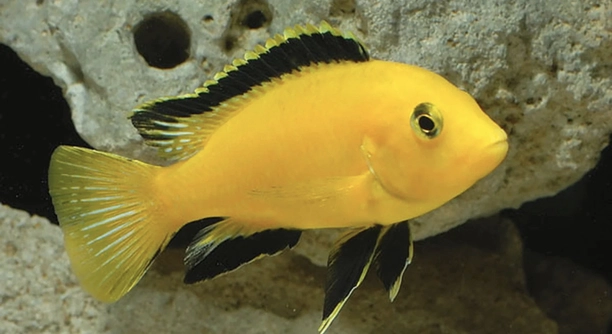
African cichlids are popular aquarium fish known for their vibrant colors and active behavior. Many aquarists focus on their diet and water conditions but often overlook the importance of the substrate in their tanks. Choosing the right substrate can impact their comfort and natural habits.
African cichlids generally prefer sand over gravel as a substrate. Sand closely mimics their natural lake environments, allowing them to dig and sift easily without risking injury. Gravel can be too rough and may trap waste, affecting water quality and fish health.
Understanding substrate preferences helps create a better habitat for these fish. This knowledge supports their well-being and enhances the aquarium’s overall balance and appearance.
Why Sand Feels More Natural for African Cichlids
Sand provides a soft and smooth surface that closely resembles the natural lakebeds where African cichlids originate. These fish are known to dig and sift through the substrate as part of their natural behavior, which is easier and safer on sand. Unlike gravel, sand particles are fine and less likely to cause injury to their delicate mouths and gills. Additionally, sand helps maintain stable water conditions by reducing trapped debris compared to gravel. This contributes to better overall water quality and a healthier environment. Sand also supports beneficial bacteria that help break down waste, contributing to the tank’s biological balance. For those keeping African cichlids, sand can help replicate the natural habitat, reducing stress and encouraging natural behaviors like breeding and territorial digging. Choosing sand over gravel is a simple step that can make a significant difference in the fish’s daily life and long-term health.
Sand is easier to clean because waste does not get trapped as easily as it does in gravel. This helps keep the tank cleaner and the water clearer.
Using sand means you’ll need to be careful about strong water currents that can disturb it. It’s also important to choose a sand type specifically designed for aquarium use to avoid any harmful dust or chemicals.
When Gravel Might Be a Suitable Option
Gravel can sometimes be useful, especially for those who prefer a tank aesthetic that sand can’t provide. It allows water to flow more easily between particles, which can prevent anaerobic spots. Gravel is also easier to vacuum during routine cleaning, which some find convenient. However, it’s important to select smooth, rounded gravel to reduce the risk of injuring the fish. Using gravel with sharp edges can harm African cichlids’ sensitive mouths and fins. Another consideration is that gravel can trap food and waste, requiring more frequent cleaning to maintain good water quality. For tanks with robust filtration, gravel can be managed well but might not support the natural digging behaviors as effectively as sand does. Ultimately, the choice between sand and gravel depends on the specific needs of the tank setup and how closely the keeper wants to mimic the fish’s natural environment.
Maintaining Your Substrate Properly
Regular cleaning is essential to keep sand or gravel healthy for African cichlids. Removing waste and uneaten food prevents harmful buildup. Proper maintenance supports water quality and fish health, regardless of substrate type.
For sand, gentle vacuuming on the surface is best to avoid stirring up too much debris. A siphon designed for sand helps clean effectively without removing too much substrate. Stirring sand too often can release trapped waste back into the water, causing spikes in ammonia or nitrites. Spot cleaning and partial water changes maintain balance while keeping the substrate intact.
Gravel requires more thorough vacuuming between the stones to remove trapped food and waste. Frequent cleaning helps avoid buildup but should be done carefully to prevent disturbing beneficial bacteria colonies. A good filtration system also supports substrate health by reducing debris accumulation.
Choosing the Right Sand or Gravel Type
Choosing the correct type of substrate affects both aesthetics and fish well-being. For sand, fine-grained aquarium sand that does not compact is ideal. It should be free from dust and chemicals harmful to fish. Avoid beach sand or construction sand, which can contain unsafe materials. Rounded grains reduce injury risk and provide a more natural feel for digging behaviors.
Gravel should be smooth and rounded with no sharp edges. Natural colors are better for reducing stress in African cichlids and mimicking their habitat. Some gravel is coated or treated, so it’s important to select aquarium-safe options. The substrate should also be inert, meaning it won’t affect the water chemistry by altering pH or hardness. Testing gravel before adding it to the tank can prevent unexpected water issues. Proper substrate choice balances fish comfort, tank maintenance, and visual appeal.
Impact on Water Quality
Substrate choice affects water quality significantly. Sand tends to trap less debris, which helps keep water cleaner. Gravel can trap more waste, requiring more frequent cleaning to maintain water balance.
Regular substrate maintenance is necessary regardless of type. Neglecting cleaning can lead to ammonia spikes, harming fish health and tank stability.
Behavioral Effects on African Cichlids
African cichlids naturally dig and sift through their substrate to find food and create territories. Sand allows these behaviors without risk of injury, while gravel can be rough and less comfortable. Providing a suitable substrate supports natural activity, reducing stress and encouraging healthy social interactions in the tank.
Choosing Substrate for Breeding
Substrate choice influences breeding success. Sand is preferred because it allows cichlids to build nests and dig pits easily. Gravel’s rough texture can discourage these behaviors, making sand a better option for those focused on breeding African cichlids.
Final Thoughts on Substrate Choice
Choosing the right substrate benefits both fish and tank environment. Sand generally suits African cichlids best but personal preferences and maintenance capabilities also matter.
FAQ
What type of sand is best for African cichlids?
The best sand for African cichlids is fine-grained, smooth, and specifically designed for aquariums. It should be free of dust and chemicals. Avoid natural beach sand or construction sand, as these may contain harmful substances. Rounded grains are safer and more comfortable for digging and sifting.
Can I mix sand and gravel in the same tank?
Mixing sand and gravel is possible but not ideal. Different substrates can settle unevenly and create pockets where waste collects. This may make cleaning harder and affect water quality. If mixing, make sure both types are compatible and monitor water parameters closely.
How often should I clean the substrate?
Cleaning frequency depends on tank size, fish load, and feeding habits. Generally, spot clean weekly to remove uneaten food and waste. Full substrate vacuuming can be done monthly or as needed. Avoid over-cleaning, especially with sand, to preserve beneficial bacteria.
Is sand harder to maintain than gravel?
Sand requires gentle cleaning to avoid disturbing the substrate and releasing trapped waste. Gravel is easier to vacuum thoroughly but can trap debris more easily. Both need regular maintenance to prevent harmful buildup, but sand may need a bit more careful handling.
Will substrate affect the water chemistry?
Some substrates can influence pH and hardness, especially crushed coral or aragonite gravel. Pure quartz sand or inert gravel generally do not affect water chemistry. Choose substrates labeled as aquarium-safe to avoid unwanted changes in water parameters.
Can African cichlids hurt themselves on gravel?
Sharp or rough gravel can injure the sensitive mouths and fins of African cichlids, especially since they dig and sift regularly. Using smooth, rounded gravel reduces this risk. Sand is typically safer because it is softer and less abrasive.
Does substrate type affect breeding?
Yes, substrate type plays a role in breeding. African cichlids prefer sand because it allows easier digging and nest building. Gravel may discourage these natural behaviors and reduce breeding activity. Sand supports territorial and spawning behaviors better.
What is the best way to set up sand in a tank?
Rinse sand thoroughly before adding it to remove dust. Add a layer about 1-2 inches deep to allow digging but avoid making it too deep, which can create anaerobic spots. Use gentle water flow to prevent disturbing the sand after setup.
Can I use colored gravel or sand?
Colored substrates are mostly safe if designed for aquarium use. However, avoid substrates with paint or dyes that can leach harmful chemicals. Natural colors are often better for fish comfort and mimic natural environments.
How does substrate affect tank cleaning routines?
Sand needs gentle surface cleaning to avoid stirring up particles, while gravel requires vacuuming between stones. Both substrates demand regular water changes and debris removal. Proper filtration supports substrate cleanliness and overall tank health.
Are there alternatives to sand and gravel for African cichlids?
Some aquarists use bare-bottom tanks for easy cleaning, but this removes natural digging behaviors. Others add larger rocks or slate to create territories. However, sand remains the preferred substrate for promoting natural habits and tank health.
Can substrate choice reduce algae growth?
Substrate can influence algae by trapping nutrients. Sand traps less debris and waste, which may limit algae growth. Gravel’s crevices can harbor nutrients that encourage algae if not cleaned regularly. Proper maintenance is key regardless of substrate.
Is it necessary to change substrate regularly?
Complete substrate changes are rarely needed and can disrupt beneficial bacteria. Instead, regular cleaning and spot vacuuming maintain substrate health. Replace substrate only if it becomes contaminated or damaged beyond repair.
How does substrate depth impact cichlids?
A moderate substrate depth around 1-2 inches supports digging without creating harmful anaerobic layers. Too deep a layer can trap waste and cause poor water quality. Shallow layers limit natural behaviors and may stress the fish.
Can substrate affect filtration efficiency?
Substrate that traps too much waste can burden filtration systems. Sand generally allows better water flow and reduces debris buildup. Gravel may trap particles, requiring stronger filtration and more frequent cleaning.
These FAQs cover common concerns about substrate choice and care for African cichlids. Proper substrate selection and maintenance play a major role in creating a healthy, comfortable environment for these colorful fish.
Choosing the right substrate for African cichlids is an important part of creating a healthy and comfortable aquarium. Sand is generally the better option because it closely mimics the natural environment these fish come from. It allows them to express their natural behaviors, like digging and sifting, without risk of injury. Sand also helps maintain cleaner water by trapping less debris and supporting beneficial bacteria. However, sand does require gentle maintenance to avoid disturbing the tank’s balance.
Gravel can be used, but it needs to be chosen carefully. Smooth, rounded gravel that does not affect water chemistry is the safest choice if gravel is preferred for aesthetic reasons. It is easier to vacuum but can trap more waste, meaning cleaning needs to be more frequent. Gravel may not support natural digging as well as sand does and can sometimes cause injury if sharp or rough. Whether sand or gravel is used, regular maintenance and monitoring water quality are key to keeping African cichlids healthy and happy.
Ultimately, the substrate decision depends on what works best for the individual tank and caretaker. Sand offers many advantages for replicating natural conditions and promoting fish well-being, but it demands careful cleaning. Gravel offers ease of maintenance but requires attention to particle size and water flow. Both types can support thriving African cichlid tanks when chosen and cared for properly. Taking time to understand the needs of the fish and the characteristics of the substrate will lead to a better, more balanced aquarium.

Hello,
If you enjoy the content that we create, please consider saying a "Thank You!" by leaving a tip.
Every little bit helps us continue crafting quality advice that supports the health, happiness, and well-being of pets around the world, for pets of all shapes, sizes, and species.
We really appreciate the kindness and support that you show us!