
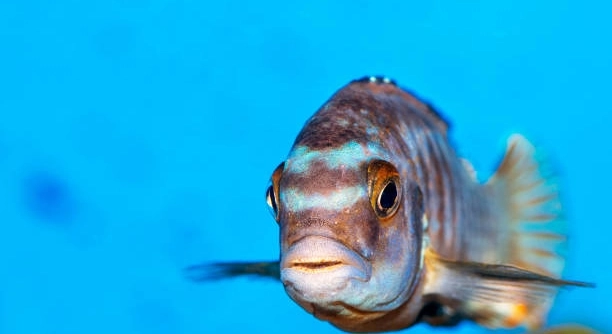
African cichlids are popular fish kept in home aquariums for their vibrant colors and active behavior. Many fishkeepers wonder about the best environment to provide for these species. One important aspect is whether these fish need substrate in their tanks.
African cichlids do benefit from having substrate in their aquarium, as it helps replicate their natural habitat, supports biological filtration, and allows for natural behaviors like digging and breeding. Proper substrate selection is essential for their health and well-being.
Choosing the right substrate can make a big difference in your tank’s balance and your fish’s happiness. This article will help you understand the best options for your African cichlids.
Why Substrate Matters for African Cichlids
Substrate plays an important role in creating a healthy and comfortable environment for African cichlids. In the wild, these fish live over sandy or rocky bottoms, which allows them to dig, hide, and establish territories. Having substrate in your tank mimics this natural setting and encourages natural behaviors that reduce stress. Additionally, substrate can aid in biological filtration by providing a surface for beneficial bacteria to grow. These bacteria help break down waste, keeping water cleaner and healthier for the fish. The right substrate also impacts water chemistry, especially in tanks housing cichlids that prefer hard, alkaline water. For these fish, substrates like crushed coral or aragonite can help maintain proper pH and hardness. Without substrate, tanks may feel less natural, and the fish might not behave as they do in their habitat. Overall, substrate contributes to both the physical and biological needs of African cichlids, making it a valuable part of their care.
Choosing the right substrate supports a stable aquarium environment and healthier fish.
Substrate options vary widely, so it’s important to select one that matches the species’ needs and your tank setup. Sand is often preferred because it is soft and easy for cichlids to sift through. Coarser gravel can be used but may not suit all species since some cichlids like to dig deeply. In tanks with plants, finer substrate can help roots anchor better. Some substrates also affect water chemistry, which is crucial for African cichlids that thrive in alkaline conditions. Avoid substrates that might alter water pH negatively or trap too much debris. Regular cleaning is necessary to prevent buildup under the substrate, but too frequent disturbance can harm beneficial bacteria. Overall, matching substrate type with fish species and tank conditions will create the best environment for your cichlids.
Best Substrate Options for African Cichlids
Sand is one of the most popular substrate choices for African cichlids because it closely resembles their natural habitat and is gentle on their bodies. It allows them to dig and sift without harming their fins or mouths.
Crushed coral and aragonite substrates are also excellent choices. These materials naturally raise the water’s pH and hardness, which benefits cichlids from alkaline lakes. They provide a solid base for the tank and support beneficial bacteria growth. However, these substrates are harder and may not be suitable if your cichlids prefer softer bottoms. Some hobbyists combine sand with crushed coral to balance softness and water chemistry. It is important to rinse these substrates well before use to avoid cloudiness in the water. Avoid substrates that can easily break down or alter water chemistry in unwanted ways. By choosing the best substrate for your specific cichlid species and tank setup, you support their health and natural behavior effectively.
How to Maintain Substrate in Your African Cichlid Tank
Substrate maintenance is key to keeping your tank clean and healthy. Regular cleaning prevents waste buildup that can harm your fish and water quality.
Use a gravel vacuum or siphon to clean the substrate during water changes. Avoid disturbing it too much, as this can release trapped debris and stress your fish. Focus on areas where waste tends to accumulate, like near decorations or plants. Stir the substrate gently to prevent compacting, which can limit beneficial bacteria growth. Cleaning frequency depends on tank size and fish load but typically once every two weeks is sufficient. Watch for cloudiness in the water after cleaning and adjust your method if needed.
Regular checks for leftover food or decaying plant matter will help maintain a healthy tank environment. Over time, some substrates may need replacing if they break down or lose effectiveness.
Substrate Impact on Water Parameters
Substrate can significantly affect water hardness and pH, which are critical for African cichlids. Materials like crushed coral slowly release minerals, helping maintain alkaline conditions. These conditions mimic the natural habitats of many cichlid species from lakes such as Malawi and Tanganyika, where water tends to be hard and basic. Choosing a substrate that supports these parameters helps keep fish healthy and active. Conversely, substrates that lower pH or soften water can cause stress and disease in cichlids.
Regular testing of water parameters ensures the substrate supports your tank’s needs. If necessary, supplements like buffers can be added to maintain stable conditions. Adjusting substrate choice based on your water source also matters; if your tap water is already hard, a neutral substrate might be better. Ultimately, substrate selection is part of balancing your aquarium’s environment for long-term fish health and comfort.
Choosing Substrate Based on African Cichlid Species
Different African cichlid species have varied substrate needs. Sand suits many Mbuna species who like to dig and sift. Other species may prefer rockier or mixed substrates.
Understanding your cichlid’s natural habitat helps choose the best substrate. Research specific species before making a decision to ensure their comfort and health in your tank.
Mixing Substrates for Better Results
Combining sand with crushed coral or gravel can create a balanced environment. This mix offers both a soft surface and proper water chemistry support. It allows cichlids to exhibit natural behaviors while maintaining ideal tank conditions.
Using mixed substrates requires regular monitoring to keep water parameters stable and the substrate clean. It can enhance the overall look and function of your aquarium.
Avoiding Harmful Substrate Choices
Avoid substrates that are sharp or easily break down, as they can harm fish or affect water quality. Fine gravel that compacts too much is not ideal either.
Stick to proven substrates to keep your cichlids safe and your tank balanced.
FAQ
Do African cichlids need substrate to survive?
African cichlids can survive without substrate, but having it greatly improves their well-being. Substrate offers a natural environment where they can dig, hide, and feel secure. It also supports beneficial bacteria, which help keep the water clean and balanced. Without substrate, fish may feel stressed or show less natural behavior.
What type of substrate is best for African cichlids?
Sand is often the best choice because it mimics their natural lake beds and is gentle on their bodies. Crushed coral and aragonite are also good options since they help maintain the high pH and hardness these fish prefer. Avoid substrates that can alter water chemistry negatively or are too rough for digging species.
Can I use gravel instead of sand?
Gravel can be used but is not ideal for all cichlids. Some species like to dig deeply, and gravel can be too coarse or sharp, which might injure them. If you choose gravel, pick smooth, rounded types and observe your fish’s behavior to ensure they are comfortable.
How often should I clean the substrate?
Cleaning the substrate every one to two weeks is usually enough. Use a gravel vacuum to remove waste and uneaten food without disturbing beneficial bacteria too much. Over-cleaning can harm the bacteria and upset the tank’s balance, so gentle cleaning is best.
Will substrate affect water quality?
Yes, substrate impacts water parameters like pH and hardness. Crushed coral and aragonite raise pH and hardness, which is good for most African cichlids. Sand usually has less effect but depends on the material. It’s important to test your water regularly to make sure the substrate supports your tank’s needs.
Is it okay to mix different types of substrate?
Mixing sand with crushed coral or gravel can work well if done carefully. It allows your fish to enjoy natural digging behavior while keeping water conditions stable. Monitor water chemistry closely and clean the substrate regularly to prevent buildup or unwanted changes.
Can substrate cause problems in my tank?
Poor substrate choices or lack of cleaning can cause problems. For example, fine gravel that compacts too much can block water flow and harm bacteria growth. Substrate that breaks down or changes water chemistry unexpectedly may stress your fish. Choosing the right substrate and maintaining it prevents these issues.
Do I need substrate if I have live plants?
Live plants usually need substrate to root properly. A fine sand or nutrient-rich substrate helps plants grow well. If your African cichlids are digging, choose a substrate that supports plant roots but is still comfortable for your fish. Some hobbyists use a layered substrate to meet both plant and fish needs.
Can substrate help with breeding African cichlids?
Yes, substrate is important for breeding. Many cichlids dig pits or create nests in the substrate. Soft sand is easier for them to manipulate and protects eggs and fry. Providing the right substrate can encourage natural breeding behaviors and increase success rates.
What if I don’t want to use substrate at all?
While possible, a bare-bottom tank is not ideal for African cichlids. They may become stressed without places to dig or hide. Waste can build up faster on bare glass, making maintenance harder. If you prefer a bare tank, increase water changes and provide plenty of hiding spots with rocks or decorations.
When caring for African cichlids, the choice of substrate is an important factor that can influence the overall health and behavior of your fish. Substrate provides a natural setting that allows these fish to express their natural digging and territorial habits. It also supports beneficial bacteria, which help keep the water clean by breaking down waste. Without a suitable substrate, your cichlids may feel stressed or behave unnaturally. Taking the time to choose the right substrate helps create a comfortable and stable environment that meets both the physical and biological needs of these fish.
There are several good substrate options to consider, depending on the species of African cichlid and the water conditions in your tank. Sand is a common choice because it is gentle and easy for cichlids to sift through. Crushed coral and aragonite are also popular because they help maintain the hard, alkaline water many African cichlids prefer. Mixing substrates can work well too, providing a balance between softness and maintaining water chemistry. It is important to regularly clean the substrate to avoid waste buildup and to monitor water parameters to ensure they remain stable.
In summary, substrate plays a key role in maintaining a healthy and happy African cichlid aquarium. Selecting the right substrate not only improves the aesthetic of the tank but also supports natural behaviors and water quality. Proper maintenance and attention to the needs of your specific cichlid species will help you provide the best possible environment. Investing time and care in substrate choice will pay off with healthier fish and a more enjoyable aquarium experience.

Hello,
If you enjoy the content that we create, please consider saying a "Thank You!" by leaving a tip.
Every little bit helps us continue crafting quality advice that supports the health, happiness, and well-being of pets around the world, for pets of all shapes, sizes, and species.
We really appreciate the kindness and support that you show us!