
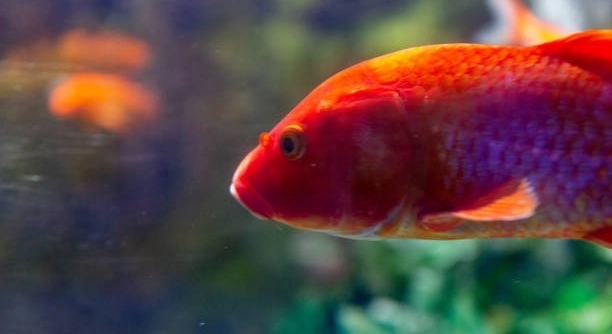
African cichlids are popular freshwater fish known for their bright colors and interesting behaviors. Many fishkeepers enjoy caring for them but often wonder about their dietary needs. Algae is commonly seen in their tanks, raising questions about its role in their diet.
African cichlids do not strictly need algae to survive, but it serves as a beneficial supplement. Algae provides important nutrients and fiber that support digestion and overall health, making it a natural and helpful part of their diet in captivity.
Knowing the role algae plays can improve how you care for your cichlids. This article will explain why algae matters and how it fits into their balanced diet.
Why Algae Is Important for African Cichlids
Algae plays a unique role in the diet of African cichlids. In their natural habitats, these fish graze on algae growing on rocks and plants. Algae is rich in vitamins, minerals, and fiber, which help keep their digestive system healthy. Many species of cichlids are herbivores or omnivores, so algae provides a natural and necessary food source. Without it, their diet can lack essential nutrients. In captivity, algae also encourages natural foraging behavior, which supports their mental and physical well-being. While algae alone isn’t enough to feed them completely, it works well as a supplement alongside pellets, flakes, or live foods. For those keeping cichlids, allowing some algae growth in the tank or offering algae-based foods can be beneficial. It contributes to their overall health and vibrant coloration. Understanding this helps maintain a balanced diet and a happy fish tank environment.
Algae serves as both nutrition and enrichment, making it a helpful addition to their care.
Providing algae in the right amounts supports healthy digestion and natural habits in African cichlids. It should be part of a varied diet for best results.
Types of Algae Suitable for African Cichlids
Not all algae are equally good for African cichlids. Some common types used in aquariums include green algae, spirulina, and diatoms. Green algae grows naturally in many tanks and is safe for fish to eat. Spirulina is a type of blue-green algae often added as a powder or flake food because it is rich in protein and nutrients. Diatoms form a brownish layer and are also consumed by certain species. It is important to avoid algae that could harm the fish, such as toxic or excessive algae blooms caused by poor water quality. Aquarium shops offer algae wafers or tablets made specifically for herbivorous fish like cichlids. These provide controlled nutrition without overgrowth in the tank. Supplementing with algae-based foods ensures your fish get benefits without risking water problems. Feeding algae occasionally, along with other foods, creates a balanced diet and keeps your fish healthy.
How to Introduce Algae into Your Cichlids’ Diet
Start by allowing natural algae to grow slowly on tank surfaces. This gives your fish a familiar food source. You can also add algae wafers or spirulina flakes to their regular feedings.
Natural algae helps maintain good water quality when kept in balance. Introducing algae wafers ensures your cichlids get consistent nutrition without risking overgrowth. Begin with small amounts to see how your fish respond, adjusting as needed. Avoid overfeeding algae to prevent water issues or poor fish health.
Feeding a mix of algae and prepared foods supports balanced nutrition. Monitor your tank regularly to maintain clean water and healthy algae levels. This simple approach keeps your cichlids happy and healthy.
Potential Risks of Too Much Algae
Excessive algae growth can reduce water quality, leading to low oxygen and toxic buildup. This harms fish health and encourages unwanted pests. Too much algae can also block light and make the tank look unclean, affecting the overall environment.
Overfeeding algae or allowing uncontrolled growth can cause frequent water changes and extra tank maintenance. It’s important to balance algae presence with proper filtration and regular cleaning. Keeping algae in check helps prevent diseases and stress in your fish. Regular testing of water parameters will ensure a healthy habitat.
Controlling algae growth while feeding your cichlids properly creates a safe, balanced environment for long-term care. This balance is key to preventing issues and promoting strong, vibrant fish.
Signs Your Cichlids Are Eating Enough Algae
Healthy cichlids show bright colors and active behavior when their diet includes enough algae. They often graze on tank surfaces or algae wafers. Watch for steady digestion and no signs of bloating.
If your fish avoid algae or seem lethargic, their diet may need adjustment. Balanced feeding keeps them energetic and thriving.
Alternatives to Algae for Cichlid Nutrition
Besides algae, cichlids benefit from high-quality pellets, flakes, and live or frozen foods like brine shrimp or bloodworms. These provide protein and nutrients algae may lack. A varied diet supports overall health, growth, and coloration. Mixing these with algae ensures your fish receive a complete diet that meets their natural needs.
Feeding Frequency and Portion Control
Feed your cichlids small amounts two to three times a day. Avoid overfeeding to prevent water problems. Proper portions help maintain good health and water quality.
FAQ
Do African cichlids only eat algae?
No, African cichlids do not rely solely on algae. While many species include algae as a natural part of their diet, they also need other foods like pellets, flakes, and live or frozen protein sources. Algae alone doesn’t provide all the nutrients required for their growth and health. A balanced diet that mixes algae with other foods supports their immune system, coloration, and energy levels.
Can algae overgrowth harm my cichlids?
Yes, too much algae in the tank can cause problems. Excessive algae growth may lower oxygen levels and increase waste, leading to poor water quality. This creates stress for cichlids and can trigger diseases. It also blocks light, affecting plants and overall tank cleanliness. Regular maintenance and controlled feeding help keep algae in balance and your fish healthy.
How can I encourage my cichlids to eat algae?
If your cichlids don’t naturally eat algae, try offering algae wafers or spirulina flakes. These can be added alongside their regular food to encourage consumption. Allowing some algae to grow naturally on rocks or decorations also helps. Feeding a variety of foods will keep them interested and ensure they get enough nutrients.
Is it necessary to provide algae supplements if I have live plants in the tank?
Live plants can help control algae growth but don’t replace algae as a food source for cichlids. Some cichlids graze on algae on rocks and surfaces rather than plants. Providing algae supplements like wafers or spirulina ensures they get enough of this important food, especially if algae growth is limited by healthy plants or tank cleaning.
What type of algae is best for African cichlids?
Green algae and spirulina are among the best options for African cichlids. Green algae naturally grows in tanks and is safe to eat, while spirulina offers a nutrient-rich supplement often found in flake or pellet form. Avoid harmful algae types, such as blue-green algae blooms, which can produce toxins. Use algae products made for herbivorous fish to ensure safety and nutrition.
How often should I feed algae to my cichlids?
Feed algae or algae-based foods two to three times a week as part of their regular diet. Overfeeding algae can cause water quality issues, so it’s important to balance it with other foods. Regular small portions help maintain healthy digestion and prevent excess algae buildup in the tank.
Can baby cichlids eat algae?
Baby cichlids benefit from algae but need softer, more easily digestible foods first. Algae wafers crushed into small pieces or finely powdered spirulina can be introduced gradually. Combine this with protein-rich live or frozen foods suited for fry to ensure proper growth and development.
Will algae stains on tank glass harm my cichlids?
Algae stains on glass do not harm cichlids directly but indicate algae presence in the tank. It’s important to monitor and control algae growth to maintain water quality. Cleaning tank surfaces regularly helps prevent excessive algae buildup and keeps the environment safe for your fish.
Are there any risks in feeding commercial algae wafers?
Commercial algae wafers are generally safe when used as directed. However, some brands may contain fillers or additives, so choose high-quality products made for herbivorous fish. Feeding too many wafers can lead to water pollution and health issues, so moderation is key.
Can algae alone replace vegetables in a cichlid’s diet?
Algae provides important nutrients but should not fully replace vegetables or other plant-based foods. Some cichlids enjoy blanched vegetables like spinach or zucchini, which offer different vitamins and fiber. Combining algae with fresh vegetables and other foods supports a more complete diet for your cichlids.
African cichlids benefit from having algae as part of their diet, but it should not be the only food they eat. Algae provides important nutrients like vitamins and fiber that help with digestion and overall health. In the wild, many cichlids naturally graze on algae growing on rocks and plants, so including it in their diet in captivity helps meet their natural needs. However, algae alone does not provide all the nutrition they require, especially protein, which is vital for their growth and energy. That is why it is important to feed them a balanced diet that includes pellets, flakes, and occasional live or frozen foods. This variety supports their well-being and keeps them active and colorful.
Controlling algae growth in the tank is important for both the fish and the environment. While a small amount of algae is beneficial, too much can cause water quality problems and create stress for the fish. Excess algae can lower oxygen levels, produce waste, and block light, which affects both the plants and the fish. It is helpful to allow natural algae growth but also to clean the tank regularly and use proper filtration to maintain a healthy balance. Algae wafers and spirulina flakes are good supplements because they provide nutrients without encouraging uncontrolled algae blooms. Feeding the right amount and monitoring the tank’s condition helps keep your cichlids healthy and their home clean.
Overall, algae plays an important role in a cichlid’s diet but must be combined with other foods for best results. Observing your fish’s behavior and health will help you adjust their diet to suit their needs. If you notice changes in color, activity, or appetite, you might need to review their feeding routine. Providing a mix of algae and other high-quality foods, along with proper tank maintenance, creates a safe and supportive environment. This approach ensures your African cichlids thrive, showing their natural beauty and strong health over time. Taking the time to understand their diet will pay off with happier, healthier fish.

Hello,
If you enjoy the content that we create, please consider saying a "Thank You!" by leaving a tip.
Every little bit helps us continue crafting quality advice that supports the health, happiness, and well-being of pets around the world, for pets of all shapes, sizes, and species.
We really appreciate the kindness and support that you show us!