
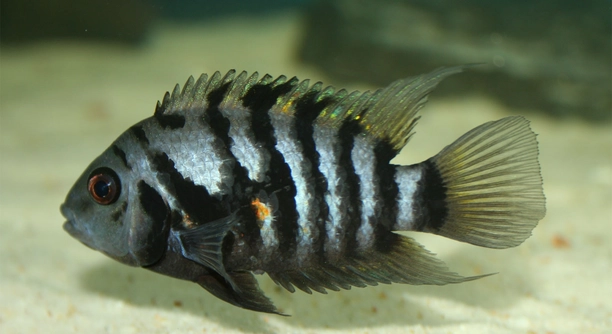
Have you ever watched your African cichlids swim around and wondered if they notice or enjoy the bubbles in their tank?
African cichlids may interact with bubbles, but it is not a form of play in the traditional sense. Their behavior around bubbles is usually linked to curiosity or environmental stimulation rather than recreational activity.
Understanding how cichlids respond to tank features like bubbles can help you create a more enriching and comfortable space for them.
Why Bubbles Catch a Cichlid’s Attention
African cichlids are naturally curious and reactive to changes in their environment. When bubbles appear in the tank, they often swim near them or move through the stream. This behavior can look playful, but it’s typically a response to motion or water movement. Bubbles cause changes in water flow, light, and noise, all of which cichlids notice quickly. These fish are very aware of their surroundings and often investigate anything that seems different. Their interaction with bubbles can be brief or ongoing, depending on the fish and the bubble output. Some cichlids may even use bubble streams to swim against the current, which gives them light exercise. Others simply swim away once they lose interest. Observing how your fish behave around bubbles can help you better understand their mood and needs. It’s important to note that not all cichlids will react the same way.
Noticing your cichlids swim through bubbles doesn’t always mean they enjoy them—it could just be instinctive behavior.
If your cichlids seem stressed, check if the bubble stream is too strong or disruptive. Gentle movement is usually best.
Choosing the Right Bubble Setup
A strong stream of bubbles can sometimes make cichlids uncomfortable, especially if it disrupts their preferred swimming areas.
For African cichlids, it’s important to keep the bubble output gentle and consistent. A sponge filter or air stone that creates a mild stream is a good option. These setups improve water circulation and oxygen levels without disturbing the fish. Cichlids come from lakes with steady water, so a forceful or noisy bubble stream can lead to stress. Keep in mind that different species may have slightly different preferences. Watching their behavior closely after setting up bubbles helps you understand what works. If your fish avoid the bubble area completely, that could be a sign it’s too strong. Try repositioning the air stone or adjusting the pump. Some fish may swim through the bubbles repeatedly, while others ignore them. There’s no need to force interaction. As long as your cichlids are healthy, active, and not avoiding large sections of the tank, your setup is likely fine.
Observing Behavioral Changes
Bubbles may lead to slight changes in behavior, especially when first introduced. Some cichlids become more active, while others stay cautious and avoid the stream until they adjust.
Watching your cichlids after adding bubbles helps you understand how they feel about the change. If they swim near the bubbles and move through them calmly, they’re likely fine with it. On the other hand, if they hide more or act restless, the bubbles might be causing stress. Give them a few days to adapt before making any changes. Sometimes, shifting the bubble placement or reducing the flow helps. Keep an eye on their eating, swimming patterns, and interactions with each other. These small cues often show whether your fish are comfortable or not. Being patient and observant helps you figure out what works best for your tank and your fish.
Different species of African cichlids react differently to bubbles. Some are naturally more skittish and avoid change, while others are more adventurous and curious. Mbuna cichlids, for example, tend to be more territorial and may not like sudden water movement. Peacocks are often calmer and more tolerant of gentle changes. Knowing what species you keep helps predict how they’ll respond. Always monitor how the group behaves as a whole.
Creating a Balanced Environment
Adding bubbles can benefit your tank, but balance is key. Strong currents may stress your cichlids, especially in smaller tanks with limited space.
It helps to combine bubble features with natural hiding spots like rocks, caves, and plants. This gives your cichlids room to explore without feeling exposed. If they feel safe, they’re more likely to adjust to the new setup. Try placing the air stone in one section only, leaving the rest of the tank calm. This setup allows the fish to choose whether to interact with the bubbles or stay away. Also, ensure your air pump isn’t too loud or causing too much vibration, as that can affect their comfort. Maintaining stable water conditions is just as important—avoid changing too many things at once. A healthy balance between stimulation and rest areas helps your cichlids feel secure and stay active. Watch them closely to make small adjustments if needed.
Signs Your Cichlids May Not Like Bubbles
If your cichlids hide more than usual or stay far from the bubble stream, they may not feel comfortable with it.
Erratic swimming, refusal to eat, or staying near the bottom can also show that the bubbles are too strong or disruptive for them.
When Bubbles Become Beneficial
Bubbles can help improve oxygen levels in the tank, especially in warmer setups or heavily stocked aquariums. Increased water movement also helps prevent stagnant spots, which supports overall tank hygiene. If used gently, bubble features may offer enrichment, particularly for more active species. They provide light stimulation and give fish a chance to explore new textures and movement. Bubble walls or air stones placed in specific areas allow the fish to decide how much interaction they want. Just make sure the bubble setup doesn’t disturb the entire tank. A balance between active zones and calm spaces makes your tank healthier and more comfortable for your cichlids long-term.
Adjusting Based on Observation
Small changes in bubble placement or flow can make a big difference in how your cichlids respond and behave each day.
Do African cichlids enjoy playing with bubbles?
African cichlids do not play with bubbles in the way mammals or some other pets might play with toys. Their interaction with bubbles is usually driven by curiosity or environmental factors. They may swim around or through bubbles because bubbles create movement and light effects, which catch their attention. However, this behavior is more exploratory than playful.
Can bubbles stress African cichlids?
Yes, bubbles can stress African cichlids if the water movement is too strong or if the bubble noise is excessive. These fish prefer stable environments with moderate water flow. A strong bubble stream can disturb their swimming patterns, making them anxious or causing them to hide. Stress can also result from bubbles disrupting their territory or breeding areas. It is important to monitor their behavior closely when bubbles are introduced and adjust the airflow accordingly to keep stress levels low.
Are bubbles necessary for African cichlid tanks?
Bubbles are not strictly necessary for African cichlid tanks, but they can be helpful. Bubbles improve oxygenation and water circulation, which supports fish health. Proper oxygen levels prevent lethargy and promote better breathing. However, bubbles should be used carefully with African cichlids, as too much movement can be disruptive. A balanced bubble setup combined with good filtration and tank decoration is ideal.
How do I know if my cichlids like the bubbles?
Observe your cichlids’ behavior closely. If they swim calmly near or through the bubbles, it is a good sign. If they avoid the bubble area, hide more than usual, or show signs of stress such as rapid gill movement or erratic swimming, they may not like the bubbles. Also, note if they continue to eat and interact normally with other fish. These signs together help you assess their comfort.
Can bubbles improve my cichlids’ tank environment?
Bubbles help improve oxygen levels and encourage water circulation, which prevents stagnant zones. This leads to better water quality and fewer toxins. Proper circulation also helps spread heat evenly, keeping the tank stable. Bubbles can create light water movement that mimics natural habitats, benefiting fish well-being. When used correctly, bubbles contribute to a healthier environment, but they should not cause stress.
What is the best type of bubble setup for African cichlids?
A gentle bubble stream from an air stone or sponge filter is best. These devices create soft, consistent bubbles without strong currents. Avoid strong powerheads or air pumps that cause aggressive water movement. Place the bubble source in one area to create zones with bubbles and calm spots. This setup allows cichlids to choose their preferred space, reducing stress and improving comfort.
Do all African cichlid species react the same to bubbles?
No, different species react differently. Some species like peacocks are more tolerant and may interact with bubbles more comfortably. Mbuna cichlids tend to be more territorial and might avoid bubbles or become stressed if the flow is strong. Knowing your specific species’ natural habitat and behavior helps in setting the bubble flow accordingly. Watching them over time helps you adjust based on their unique preferences.
Can bubbles help reduce algae growth in the tank?
Indirectly, yes. Bubbles improve water circulation, which reduces stagnant areas where algae often thrive. Moving water limits nutrient buildup and promotes oxygenation, creating less favorable conditions for algae. However, bubbles alone cannot stop algae growth. Proper tank maintenance, light control, and regular cleaning are essential for managing algae effectively.
Should I turn off the bubbles at night?
It depends on the tank setup. In some cases, turning off bubbles at night is fine if there is a healthy plant presence producing oxygen. However, in tanks without plants or in heavily stocked tanks, keeping bubbles running ensures adequate oxygen levels 24/7. Turning them off may reduce oxygen, causing stress or health issues. Monitor oxygen levels and fish behavior to decide what works best.
How do I clean bubble-producing equipment?
Air stones and sponge filters should be cleaned regularly to prevent clogging and maintain bubble quality. Rinse air stones in clean water every few weeks and soak them in a diluted bleach solution if they become blocked, followed by thorough rinsing. Sponge filters need gentle cleaning in tank water to preserve beneficial bacteria. Regular maintenance keeps the bubbles soft and consistent, which benefits your cichlids.
African cichlids react to bubbles in their tank mainly based on curiosity and environmental comfort rather than true playfulness. While bubbles may catch their attention and cause them to swim near or through them, this is typically a response to movement and changes in water flow. The bubbles provide light stimulation and a change in their surroundings, which can be interesting to the fish. However, their interaction should not be mistaken for playful behavior as seen in some other animals. It is important to observe how your cichlids behave around bubbles to ensure they are not stressed or disturbed by the water movement.
When setting up bubbles in an African cichlid tank, the strength and placement of the bubble stream play a significant role in how the fish respond. Gentle, steady bubbles from an air stone or sponge filter are usually the best option. These create mild water movement that improves oxygen levels without overwhelming the fish. Strong currents or noisy equipment can cause stress and disrupt the cichlids’ natural swimming patterns. It is helpful to provide areas of the tank with calm water where the fish can retreat if needed. Finding the right balance between gentle stimulation and quiet spaces supports the well-being of the fish.
Bubbles can be a useful addition to a cichlid tank when used thoughtfully. They help improve oxygenation and circulation, which contribute to a healthier tank environment. However, bubbles are not a necessity for every tank and should not replace proper filtration and maintenance. Watching your fish carefully after introducing bubbles will guide you in making adjustments if needed. Each species and individual fish may react differently, so patience and attention are key. Overall, bubbles can enhance the tank environment when balanced with the needs of the cichlids.

Hello,
If you enjoy the content that we create, please consider saying a "Thank You!" by leaving a tip.
Every little bit helps us continue crafting quality advice that supports the health, happiness, and well-being of pets around the world, for pets of all shapes, sizes, and species.
We really appreciate the kindness and support that you show us!