
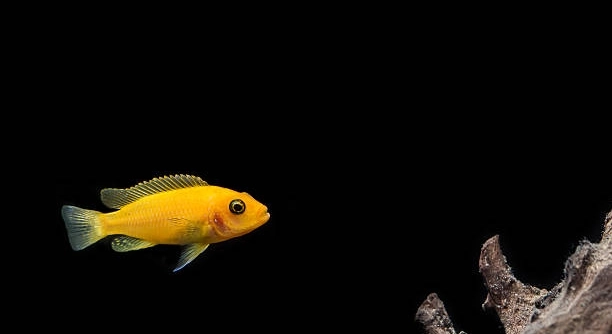
African cichlids are popular aquarium fish known for their vibrant colors and active behavior. Their environment plays a crucial role in their overall well-being, including the lighting conditions in their tank. Understanding their light preferences can help create a healthy and comfortable habitat for these fish.
African cichlids generally prefer moderate to dim lighting rather than bright light. Excessive brightness can cause stress and aggressive behavior, while subdued lighting helps mimic their natural rocky lake environments, promoting better health and natural activity patterns.
Lighting conditions can greatly influence the behavior and appearance of your cichlids. Exploring the right balance of light will help ensure a thriving aquarium environment for these colorful fish.
Why African Cichlids Prefer Dim Light
African cichlids come from deep and rocky lake environments, where sunlight is often filtered or softened by water and rocks. Bright light in their tanks can cause discomfort and increase stress levels. Dim lighting helps replicate these natural conditions, making the fish feel more secure and less exposed. Too much brightness can also trigger aggressive behavior, as cichlids may become territorial when they feel threatened. The subtle lighting supports their natural colors without causing them to hide constantly. Maintaining a dim to moderate light level allows them to swim and explore comfortably, which encourages natural behaviors like feeding and breeding. Many hobbyists notice that their cichlids are more active and display better colors when the lighting isn’t harsh. Setting up your tank with adjustable lighting or shaded areas helps provide a balanced environment for these fish.
Dim lighting reduces stress and supports natural behavior in African cichlids, improving their overall health and coloration.
Controlling light levels also affects algae growth in the tank, which can impact water quality. Excessive light encourages algae to bloom rapidly, creating maintenance challenges. Providing shaded spots gives your cichlids places to retreat and feel safe, which is important for their social structure. Using floating plants or decorations can help filter light naturally, creating a more comfortable habitat. Ultimately, balancing light helps keep both your fish and aquarium environment stable.
How to Set Up Aquarium Lighting for African Cichlids
Choosing the right lighting setup for your cichlid tank involves selecting adjustable lights that allow control over brightness. Using LED lights with dimming options can help you tailor the intensity based on your fish’s response. It’s important to avoid placing the tank in direct sunlight, as natural light can quickly become too intense and cause temperature fluctuations. Timers can be useful to maintain consistent light periods, usually around 8 to 10 hours daily. Consistency in lighting supports the fish’s biological rhythms and reduces stress.
Starting with moderate lighting and gradually adjusting down to dim levels is a good approach.
To create a comfortable lighting environment, start by positioning lights so they cover the tank evenly without harsh spots. Adding plants or decorations that create shaded areas can simulate natural hiding places. Monitor your cichlids’ behavior during different lighting levels to see what suits them best. Too much brightness may cause hiding or aggressive actions, while too little light could reduce their activity and color vibrancy. Proper light balance not only enhances fish health but also improves the tank’s visual appeal. Regularly cleaning the tank and keeping lights at appropriate levels prevents algae buildup, which can cloud the water and disrupt your cichlids’ habitat. Taking these steps ensures a healthy and visually pleasing aquarium environment for your African cichlids.
Effects of Bright Light on African Cichlids
Bright light often causes stress in African cichlids. They may become restless or hide more frequently. Prolonged exposure can lead to weaker immune systems and increased aggression among tank mates.
High-intensity lighting disrupts natural behaviors by making cichlids feel exposed. This exposure can increase territorial disputes, as fish perceive a need to defend limited shaded spaces. Stress from bright light can also reduce feeding activity, affecting their health over time. It’s common to see less vibrant colors and lethargy when lighting is too harsh. Keeping the light at a comfortable level helps maintain a calm environment, which supports healthier social interactions and natural swimming patterns.
Overly bright tanks often require more frequent water changes because stressed fish produce more waste. Excess light can also promote excessive algae growth, which competes with your cichlids for oxygen. Managing light intensity is essential for keeping the aquarium balanced and the fish thriving. Using dimmable LED fixtures or shading parts of the tank can prevent these negative effects while maintaining good visibility.
Benefits of Dim Lighting for Cichlid Health
Dim lighting reduces stress levels and supports natural sleep cycles in African cichlids. It creates a more secure environment that encourages natural behavior and breeding. This lighting level also enhances their natural coloration, making their patterns more visible without overstimulation.
Providing soft light mimics the fish’s native habitats, which improves overall well-being. Fish are less likely to hide and more likely to interact when light is comfortable. This reduces aggression and improves tank harmony. Dim lighting also helps maintain stable water conditions by limiting algae growth, which can otherwise increase oxygen fluctuations. For anyone keeping African cichlids, adjusting lighting to dim or moderate levels is a simple step that leads to healthier, more vibrant fish.
Adjusting Lighting for Different Cichlid Species
Not all African cichlids prefer the same light intensity. Some species from shallow waters tolerate brighter light, while deep-water species need dimmer conditions. Adjusting light based on species helps reduce stress and supports natural behaviors.
Observing your cichlids regularly can help you find the best lighting balance. Changes in activity or color may indicate if the light is too strong or too weak.
Using Plants to Manage Light
Live plants soften light and provide shaded areas. They create a more natural environment and reduce stress in cichlids. Plants also improve water quality by absorbing nitrates, which benefits fish health.
Choosing the Right Light Bulbs
LED bulbs are energy-efficient and offer adjustable brightness. They emit less heat, helping maintain stable water temperatures, which is important for cichlids’ comfort and health.
Signs of Light Stress in Cichlids
Fish hiding excessively, losing color, or showing aggression can indicate light stress. Adjusting the lighting may improve their behavior and well-being.
FAQ
How much light do African cichlids need daily?
African cichlids generally thrive with about 8 to 10 hours of light each day. This amount mimics their natural environment and helps maintain their biological rhythms. Too much light can cause stress, while too little may reduce their activity and color vibrancy.
Can too much light harm African cichlids?
Yes, excessive light can cause stress, which leads to hiding, aggression, and weakened immune systems. Bright light also encourages algae growth, affecting water quality and making the tank harder to maintain. Keeping light levels moderate or dim helps avoid these problems.
Is it better to use natural or artificial light?
Artificial lighting is usually better because it can be controlled more easily. Natural sunlight can be too intense and cause temperature fluctuations. Using LED lights with adjustable brightness provides a stable environment and prevents stress.
What type of lighting is best for African cichlid tanks?
LED lighting is the best option because it is energy-efficient, produces little heat, and often comes with dimming options. This allows you to adjust the brightness according to your cichlids’ needs and maintain stable water temperatures.
Should I provide shaded areas in the tank?
Yes, shaded spots are important for African cichlids. They offer places to retreat and reduce stress. You can create shaded areas with floating plants, rocks, or aquarium decorations. These hiding places support natural behavior and reduce aggression.
How can I tell if my cichlids are stressed by the light?
Signs of light stress include hiding more than usual, dull colors, lethargy, and increased aggression. If your fish display these behaviors, try lowering the light intensity or adding shaded areas to improve their comfort.
Does lighting affect the color of African cichlids?
Yes, proper lighting enhances their natural colors. Too much light can cause fading or stress-related dullness. Dim or moderate light helps cichlids display their vibrant patterns without causing discomfort.
Can lighting impact breeding in African cichlids?
Lighting plays a role in breeding behavior. Moderate to dim light helps create a calm environment that encourages spawning. Bright light may stress fish and reduce the chances of successful breeding.
How do I prevent algae growth caused by lighting?
Limit lighting to 8-10 hours daily and avoid intense brightness. Adding live plants can also reduce algae by competing for nutrients. Regular tank maintenance and controlling light levels keep algae under control.
Is it necessary to have a timer for aquarium lighting?
Using a timer is highly recommended. It keeps lighting consistent and supports fish biological rhythms. Regular light cycles reduce stress and help maintain stable tank conditions.
Can different African cichlid species tolerate different light levels?
Yes, species from shallow waters generally tolerate brighter light, while those from deeper waters prefer dimmer conditions. Adjust lighting based on the species you keep to reduce stress and support natural behavior.
What should I do if my cichlids seem inactive?
Check the lighting first. Inactive fish might be stressed by too much light or poor light balance. Adjusting the light intensity or adding shaded areas often improves activity levels.
Is it safe to use colored lights for African cichlids?
Colored lights are generally not recommended because they can confuse fish and disrupt natural behavior. Stick to natural white or soft daylight-spectrum LED lighting for best results.
How often should I adjust the lighting setup?
Once you find the right balance, keep it consistent. Frequent changes can stress the fish. Only adjust lighting if you notice signs of stress or if you add new species with different light needs.
African cichlids have specific needs when it comes to lighting in their aquarium. Providing the right level of light is important for their health and behavior. Too much brightness can cause stress and aggression, while too little light may make them less active and dull their colors. Most African cichlids prefer moderate to dim lighting that mimics their natural habitat. This type of lighting helps them feel safe and comfortable in the tank, allowing them to swim freely and show their true colors. Setting up the right lighting is a simple but effective way to create a better environment for these fish.
Adjusting the lighting to fit the needs of your cichlids involves paying attention to how they behave. If the fish are hiding a lot, showing dull colors, or acting aggressive, it could be a sign that the light is too bright. Adding shaded areas with plants or decorations can help them feel more secure. Using LED lights with adjustable brightness allows for easy control over the light levels in the aquarium. Consistent lighting times, usually around 8 to 10 hours per day, support their natural rhythms and reduce stress. Watching your fish closely will help you find the right balance to keep them healthy and happy.
Taking care of African cichlids means paying attention to many factors, and lighting is one of the most important. Good lighting not only improves their appearance but also supports natural behaviors and overall well-being. It also helps prevent problems like algae overgrowth, which can affect water quality and fish health. By providing moderate or dim light, creating shaded spots, and maintaining consistent light schedules, you can build a stable and comfortable environment. This makes a big difference in how your cichlids thrive, making your aquarium both beautiful and peaceful.

Hello,
If you enjoy the content that we create, please consider saying a "Thank You!" by leaving a tip.
Every little bit helps us continue crafting quality advice that supports the health, happiness, and well-being of pets around the world, for pets of all shapes, sizes, and species.
We really appreciate the kindness and support that you show us!