
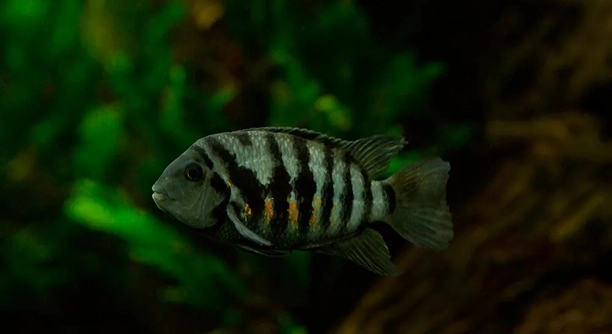
African cichlids are popular aquarium fish known for their vibrant colors and active behavior. Many fishkeepers wonder whether these cichlids prefer to be kept alone or with others in their tank. Understanding their social needs helps create a better environment for these fascinating fish.
African cichlids exhibit a range of social behaviors depending on species, with some thriving in groups while others prefer solitude. Proper tank conditions and species-specific needs must be considered to balance social interaction and territoriality for optimal well-being.
Learning how to provide the right company for your cichlids can improve their health and behavior significantly. This article explores key factors that influence their social preferences.
Understanding African Cichlid Behavior
African cichlids come from diverse environments across the African continent, mainly in lakes like Malawi, Tanganyika, and Victoria. Their natural habitats vary widely, affecting how they interact with other fish. Some species are highly territorial and prefer solitude, defending their space aggressively. Others are more social and live in large groups with established hierarchies. In an aquarium, these instincts remain strong. When kept together without enough space or hiding spots, territorial cichlids may become stressed or aggressive. It’s important to research the specific species to know whether they are more solitary or group-oriented. Providing a tank that mimics their natural environment helps reduce conflicts. Rocks, caves, and plants can create territories and visual barriers, giving fish places to retreat. Observing their behavior over time will guide adjustments in stocking and tank layout to support their comfort and health.
Territorial behavior in African cichlids often depends on tank size and decor. Smaller tanks increase aggression risks.
Social species require careful management to avoid stress and injury. Balancing population density is key to harmony.
Setting Up the Right Environment
Choosing the right tank setup can make a big difference in how African cichlids interact. For territorial species, a larger tank with plenty of hiding places reduces conflicts by giving each fish its own space. Adding rocks, caves, and plants helps break up sightlines, which limits aggressive encounters. In contrast, more social cichlids need enough companions to feel secure but not so many that overcrowding occurs. Overcrowding can cause stress, leading to illness or death. Water quality also plays a role; clean, well-filtered water keeps fish healthy and less irritable. Regular maintenance and monitoring of water parameters are essential. It’s also important to consider the species’ compatibility when mixing cichlids. Some may tolerate others well, while others are too aggressive to coexist. Understanding these needs before stocking the tank can prevent many common problems.
A suitable environment balances space, hiding spots, and clean water. Both solitary and social species benefit from thoughtful tank design.
Maintaining proper water conditions and avoiding overcrowding promotes healthier, less aggressive behavior. Species compatibility remains crucial.
Social Needs of African Cichlids
African cichlids have varying social needs depending on species. Some enjoy group living, while others thrive better alone. Understanding these differences helps prevent stress and aggression.
Some species, like Mbuna cichlids from Lake Malawi, are highly social and live in large groups in the wild. These fish feel more secure when kept with others but require enough space to establish territories. Without proper room, group living can lead to increased aggression and competition. Social cichlids often show complex behaviors like establishing pecking orders, which is normal and helps reduce fights once the hierarchy is clear. It is important to provide a balanced ratio of males to females to reduce harassment.
Other species, such as some Tanganyika cichlids, are more solitary or prefer smaller groups. These fish may become stressed or aggressive if crowded. Their natural habits involve defending a specific territory or hiding spots, so giving them enough space is critical. Observing their interaction closely helps in adjusting tank mates or population for better coexistence.
Signs of Stress and Aggression
Stress and aggression in African cichlids often result from overcrowding or incompatible tank mates. They may display chasing, biting, or hiding frequently.
Fish that are stressed or bullied tend to lose color, stop eating, or hide for long periods. Aggressive behavior can lead to injuries or death if not addressed. It’s essential to recognize these signs early and take action by rearranging the tank, separating aggressive individuals, or reducing population density. Providing enough hiding places and visual barriers also helps reduce tension among fish. Consistent water quality maintenance lowers stress levels, too. Taking these steps can improve the overall well-being of your cichlids and encourage more peaceful interactions.
Benefits of Keeping African Cichlids Together
Keeping social African cichlids together can reduce stress by allowing natural behaviors like schooling and territory establishment. They feel more secure when part of a group.
Group living encourages active swimming and interaction, which promotes mental stimulation and exercise. These benefits improve overall health and coloration.
Risks of Keeping African Cichlids Together
Aggression can increase in tanks that are too small or poorly decorated. Without enough space, fights for dominance may cause injury.
Overcrowding and lack of hiding places raise stress levels. It is essential to monitor fish behavior regularly to prevent harm.
Managing Aggressive Behavior
Separating overly aggressive fish is often necessary to protect others. Creating distinct territories with rocks and plants reduces conflict.
Regular observation and timely intervention help maintain a balanced tank environment, ensuring all fish coexist peacefully.
Tank Size Recommendations
A larger tank generally supports social groups better. Small tanks increase stress and aggression risks among cichlids.
FAQ
Do African cichlids prefer to be kept alone or in groups?
African cichlids’ preference depends largely on the species. Some are naturally social and do well in groups, while others are territorial and prefer solitude. It is important to research your specific cichlid species before deciding on tank mates. Group-living species, such as Mbuna cichlids, need enough space to establish territories and reduce aggression. Solitary species require more personal space to avoid stress. Balancing tank size, decorations, and population is key to meeting their social needs.
How many African cichlids should be kept together?
The number varies depending on the tank size and species. Social cichlids often thrive in groups of at least six or more, which helps spread out aggression and allows natural social behavior. In smaller tanks, fewer fish are better to prevent overcrowding and fighting. Territorial species usually do better alone or in pairs with sufficient space. It is best to research your cichlid’s social behavior and adjust the number accordingly to maintain harmony.
What tank size is ideal for African cichlids?
A larger tank is always better for African cichlids because it provides space for territories and hiding spots. For groups of social cichlids, tanks of 55 gallons or more are recommended. Smaller tanks increase stress and aggression because fish have limited space. Territorial species also need adequate room to avoid constant confrontations. Adding rocks, caves, and plants creates natural boundaries that reduce fights and provide shelter.
How can I tell if my cichlids are stressed?
Signs of stress in cichlids include faded color, hiding often, loss of appetite, and erratic swimming. Aggression toward tank mates may increase as well. Stress often results from overcrowding, poor water quality, or lack of hiding places. Monitoring behavior regularly and maintaining clean water helps reduce stress. If stress signs appear, consider adjusting tank setup or population to improve their environment.
Can different species of African cichlids live together?
Some species can coexist peacefully if their temperaments and space needs match. However, mixing highly aggressive species with peaceful ones can cause problems. It is crucial to research compatibility before mixing species. Providing enough space and hiding spots can reduce conflicts. Generally, keeping species from the same lake or habitat increases the chances of successful cohabitation.
What should I do if my cichlids are fighting?
If fighting becomes frequent and causes injury, it may be necessary to separate the aggressive fish temporarily or permanently. Rearranging tank decorations can disrupt established territories and reduce fights. Increasing tank size or adding more hiding places also helps. Keeping a proper male-to-female ratio can decrease aggression, as too many males often lead to conflicts.
Is it necessary to provide hiding places in the tank?
Yes, hiding places are essential for African cichlids. Rocks, caves, and plants help create territories and give fish a safe retreat from aggression. This reduces stress and allows fish to behave more naturally. Without enough hiding spots, aggressive behavior tends to increase, leading to injuries and poor health.
How often should I clean the tank to keep cichlids healthy?
Regular maintenance is important to keep water quality high. Partial water changes of 20-30% every one to two weeks are recommended. Cleaning the substrate and filter also helps remove waste and toxins. Good water quality reduces stress and aggression and supports overall fish health.
Can I keep African cichlids with other types of fish?
African cichlids are often aggressive and territorial, making it difficult to keep them with many other fish types. Some robust fish species with similar size and temperament might coexist, but smaller or peaceful fish usually get bullied or stressed. Careful selection and monitoring are necessary if mixing species.
What do African cichlids eat, and does diet affect their behavior?
A balanced diet improves cichlids’ health and can influence behavior. Feeding high-quality pellets or flakes supplemented with occasional live or frozen foods provides essential nutrients. Poor nutrition can cause stress and increase aggression. Consistent feeding routines and avoiding overfeeding also help maintain a calm environment.
How can I reduce aggression during breeding?
Breeding increases territorial behavior, often leading to more fights. Providing separate breeding tanks or plenty of space and hiding places helps manage aggression. Removing fry to a different tank can protect young fish from adults. Monitoring breeding pairs closely allows intervention if aggression becomes harmful.
What is the best way to introduce new cichlids to an established tank?
Introduce new cichlids slowly to reduce stress and aggression. Using a quarantine tank before adding new fish prevents disease spread. Rearranging tank decorations before introduction disrupts established territories and lowers aggression risks. Monitor interactions closely and be prepared to separate fish if needed.
African cichlids have unique social needs that vary greatly between species. Some enjoy living in groups and benefit from the company of other fish, while others prefer to be alone and maintain strict territories. Understanding these differences is essential for providing a healthy and comfortable environment. Careful research on the specific species you keep will help you decide whether to keep them with companions or alone. Meeting their social needs can reduce stress, aggression, and health problems. It also helps the fish display more natural behaviors, which makes keeping them more rewarding.
Creating the right tank setup is just as important as knowing their social preferences. Providing enough space and hiding spots allows cichlids to establish territories and avoid constant conflict. Rocks, caves, and plants break up the tank visually and give fish places to retreat when needed. Maintaining clean water and proper population density also plays a key role in reducing stress. When tanks are overcrowded or poorly decorated, aggression tends to rise, and fish health can suffer. Monitoring fish behavior regularly lets you spot problems early and make adjustments to the tank setup or fish grouping.
Finally, patience and observation are necessary when keeping African cichlids. Their social behavior can change over time based on environment and tank conditions. Some fish may become more aggressive during breeding or if the tank is too small. Being willing to separate aggressive individuals or rearrange the tank can help keep the peace. The goal is to create a balance that allows your cichlids to live comfortably, showing their vibrant colors and interesting behaviors. Understanding and responding to their social needs will improve their quality of life and your experience as a fishkeeper.

Hello,
If you enjoy the content that we create, please consider saying a "Thank You!" by leaving a tip.
Every little bit helps us continue crafting quality advice that supports the health, happiness, and well-being of pets around the world, for pets of all shapes, sizes, and species.
We really appreciate the kindness and support that you show us!