
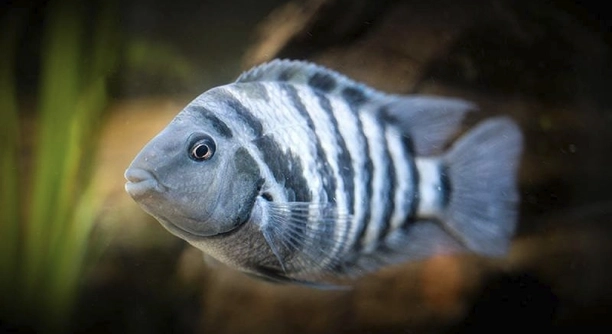
Have you ever watched your colorful cichlids swim around and wondered if they actually enjoy the company of other fish in their tank?
African cichlids are social yet territorial fish. While they often prefer the presence of their own kind, their behavior can vary based on species, tank conditions, and group dynamics. Proper care is essential to avoid aggression.
Learning how to balance companionship and space can help your cichlids live healthier, more peaceful lives in your aquarium.
Understanding African Cichlid Social Behavior
African cichlids are fascinating fish with unique personalities and behavior patterns. In general, they are social but also very territorial. This means they often like being around other cichlids but need enough space to feel secure. Most species do best when kept in groups, especially when the tank is large and has plenty of hiding spots. In smaller tanks, overcrowding or poor setup can lead to constant aggression. Keeping a balanced male-to-female ratio and providing rock formations or caves can help reduce stress and fighting. Their social structure is also influenced by dominance, which they establish early. It’s normal to see some chasing or posturing, but if a fish is being constantly harassed, changes may be needed. Watching them interact is part of what makes owning them so rewarding. With the right tank setup, these fish can form interesting group dynamics and live comfortably with others of their kind.
Cichlids do not enjoy being isolated. They tend to become stressed, withdrawn, or overly aggressive if left alone in a tank for too long.
Each species has its own social needs. Mbuna cichlids, for example, prefer larger groups, while others are better in smaller groups or pairs. It’s important to research the specific type you have.
Creating the Right Tank Environment
African cichlids rely heavily on their environment to feel secure and behave well in a group. A poor tank setup often leads to constant fighting or stressed fish.
To create a space where African cichlids can thrive together, you need to consider more than just the size of the tank. While a 55-gallon tank is often the minimum for most species, the shape and layout matter just as much. Include lots of rocks, caves, and barriers to break up sight lines and give weaker fish places to hide. This helps reduce bullying and gives fish their own territories. Try to avoid sharp objects, as cichlids like to dig and may injure themselves. Water quality should be stable with regular maintenance, and temperature should stay within the ideal range for your species. Overcrowding may seem like a bad idea, but in some cases, slightly higher stocking levels can actually help spread aggression. Just be sure your filtration can handle it. Always introduce new fish carefully and watch for signs of aggression. A well-planned tank layout supports better behavior and healthier fish.
Choosing the Right Tank Mates
Not all fish are a good match for African cichlids. Many community fish are too peaceful and end up getting chased or hurt. It’s best to stick with other cichlids or similarly tempered species that can hold their own.
When selecting tank mates, focus on fish with similar size, speed, and behavior. Avoid slow or long-finned fish, as they tend to be easy targets. Other African cichlids from the same lake, like Lake Malawi, are usually the safest choice. Some people also keep synodontis catfish with cichlids because they stay near the bottom and have tough bodies. Be cautious with mixing different types of cichlids, especially from different regions, as their water needs and temperaments may clash. Always monitor new additions closely during the first week. If aggression becomes constant, it’s better to remove the new fish quickly before injuries happen.
Even within the same species, not all individuals will get along. You might have one especially dominant fish that starts harassing others, even if the tank is set up correctly. In that case, rearranging the rocks or temporarily separating the aggressive fish can help reset the social structure. Adding more hiding spots also gives weaker fish a better chance to stay safe.
Signs of Stress and Aggression
Signs of stress include hiding constantly, loss of color, poor appetite, and darting around the tank. Aggressive behavior shows up as fin nipping, chasing, and one fish constantly dominating the others. These signs are often easy to miss at first.
If you notice these behaviors, it usually means your tank setup or group dynamics need adjusting. A stressed or bullied fish may stop eating and eventually get sick. One way to reduce tension is to rearrange the rocks or decor. This resets territories and can break up established dominance. Also, double-check your water quality, as poor conditions make things worse. If aggression continues, consider removing the most aggressive fish or separating it for a few days before reintroducing it. In some cases, adding one or two more fish can actually help spread out aggression. Monitoring behavior daily helps you catch these signs early and keep your fish healthier and more balanced.
Breeding Behavior and Group Dynamics
During breeding, male cichlids become more territorial and aggressive, often chasing others away from their chosen spot. This can disturb the balance in the tank and cause stress for the other fish if space is limited.
Female cichlids carrying eggs may hide more or become less active. After releasing the fry, they may also become defensive. It’s helpful to provide extra hiding spaces during this time and keep a close eye on any signs of aggression.
When Isolation Is Necessary
Sometimes, isolating a fish is the only option. If one fish is being constantly bullied or is sick, moving it to a separate tank helps it recover safely and reduces stress for the rest. Keep the water conditions similar and reintroduce the fish slowly when it’s healthy again.
Final Thoughts on Companionship
African cichlids do best in groups with enough space and structure. With careful planning, they can live together peacefully and even show interesting social behaviors.
How many African cichlids should I keep together?
It depends on your tank size and the species. Generally, a group of at least five to seven cichlids helps spread aggression and establish a natural social structure. In smaller tanks, fewer fish are better to avoid overcrowding. Make sure there is enough space for each fish to claim territory.
Can different species of African cichlids live together?
Some species can coexist if they have similar temperaments and water requirements, but mixing aggressive species or those from different lakes may cause problems. Research each species before combining them and watch for signs of stress or fighting.
What are signs my cichlids are stressed due to company?
Stress signs include hiding often, losing color, refusing food, or constant chasing and fin nipping. If you see these, the tank setup or social grouping likely needs adjustment.
Should I separate aggressive cichlids?
Yes, if aggression is severe and causing injuries, isolate the aggressive fish temporarily. Rearranging tank decorations can also help break up established territories and reduce fights.
Do African cichlids like to be alone?
Most do better in groups or at least with one companion. Alone, they can become bored, stressed, and aggressive. However, some species or individuals might prefer solitude, so it depends on the fish.
How do I introduce new cichlids to an existing group?
Introduce new fish slowly and carefully, ideally adding them to a well-established group with plenty of hiding places. Rearrange rocks before adding newcomers to reset territories and reduce aggression.
Can African cichlids live with other types of fish?
It’s risky to keep them with peaceful community fish, as cichlids tend to bully or eat them. Some bottom-dwelling species like synodontis catfish may coexist well, but always research compatibility before mixing species.
Does tank size affect cichlid behavior?
Absolutely. Larger tanks provide more space for territories and reduce conflicts. Smaller tanks often lead to stress and fighting because fish have less room to escape or establish separate areas.
What tank decorations help reduce aggression?
Rocks, caves, and plants create hiding spots and visual barriers that break up line of sight between fish. This helps fish claim their own territory and feel safer.
How often should I check on cichlid behavior?
Daily observation helps catch early signs of aggression or stress. Regular monitoring lets you adjust tank conditions quickly before problems get worse.
Do male and female cichlids behave differently in groups?
Yes, males are usually more territorial and aggressive, especially during breeding. Females tend to be more passive but may defend fry or hiding spots.
Is it normal for cichlids to chase each other?
Some chasing is normal as they establish dominance and territories. However, constant or violent chasing indicates stress and may require changes in the tank setup or group composition.
How do I calm aggressive cichlids?
Increasing hiding places, rearranging decorations, adjusting the number of fish, and maintaining excellent water quality all help reduce aggression. Sometimes adding more fish can spread aggression more evenly.
Can cichlids recognize their tank mates?
They seem to recognize individuals in their group and remember past interactions, which influences their social ranking and behavior.
What water conditions suit African cichlids?
They prefer hard, alkaline water with stable pH between 7.8 and 8.6, and temperatures from 75 to 82°F. Keeping these stable reduces stress and aggression.
How long does it take for cichlids to settle in a new group?
It usually takes a few days to a couple of weeks for fish to establish territories and social order. Patience is important during this period.
Is it better to keep only one male per tank?
In smaller tanks, yes. One male reduces fighting. In larger tanks with many hiding spots, multiple males may coexist but still require monitoring.
Can I keep juvenile cichlids together before sex is clear?
Yes, juveniles tend to be less aggressive. It’s often easier to raise them in groups before maturity, but be ready to separate aggressive individuals as they grow.
What food helps reduce aggression?
Feeding a varied diet with high-quality flakes, pellets, and occasional live or frozen foods keeps fish healthy and less aggressive due to better nutrition.
How do breeding behaviors affect group harmony?
During breeding, males become more aggressive, and females more protective. Extra care is needed to provide space and hiding spots to reduce stress on the group.
Can I mix African cichlids with other African fish?
Some species like certain catfish or small plecos can live well with cichlids, but always check compatibility to avoid conflicts.
What is the best way to reintroduce a fish after isolation?
Make sure the isolated fish is healthy and stress-free. Rearrange the tank’s decorations before reintroduction to disrupt established territories and reduce aggression.
Do cichlids ever show social bonding?
They do form loose hierarchies and may tolerate certain fish better, but their social life is mostly about territory and dominance rather than companionship.
How important is water quality for social behavior?
Very important. Poor water quality increases stress, which leads to more aggression and health problems. Regular testing and maintenance are crucial.
African cichlids are unique fish that enjoy company but need careful management to live well together. Their social behavior is a mix of friendliness and territorial instincts. While many cichlids do better in groups, it is important to remember they require enough space and proper tank setup. Without these, stress and aggression can increase, making the aquarium less healthy for all the fish. Paying attention to how they interact and adjusting their environment helps keep peace and balance.
Creating a comfortable space with plenty of hiding spots and territories can reduce conflicts among cichlids. Rocks, caves, and plants give them places to escape and claim as their own. Group size and the mix of species also matter. Overcrowding or mixing very different cichlids may cause problems, while a well-planned community encourages natural behavior. Watching your fish regularly allows you to spot early signs of stress or fighting so you can make changes quickly. This care leads to happier, healthier fish.
Understanding that African cichlids have complex social needs is key to their care. They don’t thrive well alone, but neither do they like constant competition without space. By providing a good environment, choosing compatible tank mates, and monitoring behavior, you can enjoy the fascinating interactions these fish offer. Their vibrant colors and active nature make them rewarding pets when given the right conditions. Taking time to learn about their habits and needs will help you create a tank where they can live peacefully together.

Hello,
If you enjoy the content that we create, please consider saying a "Thank You!" by leaving a tip.
Every little bit helps us continue crafting quality advice that supports the health, happiness, and well-being of pets around the world, for pets of all shapes, sizes, and species.
We really appreciate the kindness and support that you show us!