
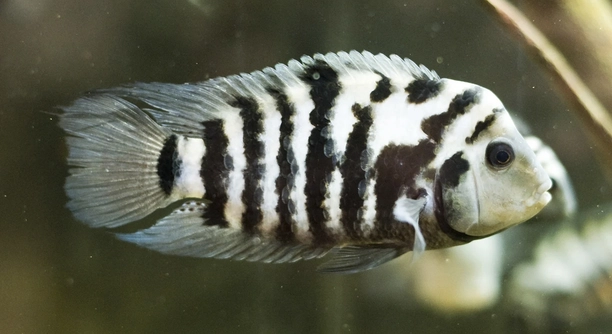
African cichlids are popular freshwater fish known for their vibrant colors and active behavior. Many aquarium enthusiasts enjoy keeping them but often consider the ideal lighting conditions for their tanks. Understanding how bright lights affect these fish is important for their well-being and appearance.
African cichlids generally prefer moderate lighting rather than excessively bright lights. Bright lighting can cause stress and hide their natural colors, while moderate light enhances their activity and coloration. Proper light balance is essential to mimic their natural habitat.
Lighting plays a key role in maintaining healthy and visually striking cichlids. This article explains how to create the best lighting environment for these fascinating fish.
Understanding African Cichlids’ Natural Habitat
African cichlids come from lakes in East Africa, such as Lake Malawi, Lake Tanganyika, and Lake Victoria. These lakes often have clear waters with moderate sunlight filtering through. The natural light they experience is neither too harsh nor too dim. This moderate lighting helps cichlids show their true colors and stay active throughout the day. Bright, direct sunlight is rare in their environment because of water depth and natural shading from rocks and plants. Mimicking this lighting in your aquarium supports their natural behavior and health. Too much light can lead to stress, causing fish to hide or lose their vibrant colors. On the other hand, lighting that is too dim can make them less active and dull their appearance. Using adjustable aquarium lights or placing the tank where it gets indirect light is often the best approach for keeping African cichlids comfortable and healthy.
Lighting that matches their natural environment helps cichlids thrive and maintain their vibrant colors without unnecessary stress.
Choosing the right light intensity and duration is key. Most cichlids do well with 8 to 10 hours of moderate light daily. This setup encourages natural activity and feeding patterns. It’s also important to avoid sudden changes in lighting, which can startle them. Using timers for aquarium lights can create a consistent day-night cycle, which benefits the fish. Adding plants or rocks can help diffuse the light and offer shaded areas. This variety gives cichlids space to retreat if the lighting feels too bright. Overall, replicating the soft, filtered sunlight of their natural lakes improves their comfort and appearance in home tanks.
Effects of Bright Lighting on Behavior and Color
Bright lights can cause African cichlids to become stressed, which often shows in their behavior. They may hide more, swim less actively, or even lose appetite. This stress also impacts their immune system, making them more vulnerable to disease. Stressful lighting conditions can reduce the intensity of their colors, making them look dull or washed out. This happens because they try to camouflage or avoid drawing attention when feeling threatened.
In some cases, intense lighting can lead to algae overgrowth in the tank, which affects water quality and fish health. Algae can cloud the water and cover decorations or plants, making the environment less comfortable for the cichlids. Managing light exposure can reduce algae problems and help keep the tank clean and clear.
Adjusting light levels to avoid brightness that causes stress is essential. Using dimmable LED lights or adding floating plants to soften the light can create a calmer environment. Monitoring fish behavior helps identify if lighting is too intense. When cichlids seem less active or hide often, it may be time to reduce light levels. Providing shaded spots with rocks or plants gives fish control over their exposure, improving their well-being and color vibrancy. Balancing light supports healthy activity and the striking look African cichlids are known for.
Ideal Lighting Setup for African Cichlids
Choosing the right lighting setup is crucial for maintaining healthy African cichlids. Moderate, adjustable lighting that mimics their natural habitat works best. Too bright or constant lighting should be avoided to reduce stress and promote natural behavior.
Using LED lights with adjustable brightness helps control the light intensity in the aquarium. This type of lighting is energy-efficient and produces little heat, preventing water temperature fluctuations. Positioning the lights so they provide indirect illumination avoids harsh glare. Combining this with a timer ensures a consistent day-night cycle, which is important for the fish’s biological rhythm. Including some floating or live plants creates shaded areas, offering fish relief from the light when needed. This setup encourages natural activity, vibrant colors, and overall health.
Placement of the aquarium matters, too. Avoid direct sunlight from windows, which can cause uneven lighting and promote algae growth. Instead, position tanks in spots with soft ambient room light. Regularly monitor how the fish respond, adjusting the light intensity or duration if they show signs of stress. A well-balanced lighting environment makes a visible difference in cichlid vitality.
Managing Algae Growth Under Bright Lighting
Bright lighting often accelerates algae growth, which can harm water quality and reduce oxygen levels. Controlling light duration and intensity is the easiest way to prevent excessive algae buildup. Limiting aquarium lighting to 8-10 hours daily is ideal.
Regular cleaning helps keep algae under control. Removing algae manually from glass, decorations, and plants stops it from taking over the tank. Using algae-eating fish or snails can also help maintain balance. If algae persist despite these measures, reducing the light intensity or switching to a timer with shorter durations is necessary. Avoid placing tanks near windows to limit natural light that fuels algae growth. Balancing lighting and cleaning routines ensures a healthy tank environment for African cichlids without unwanted algae problems.
Light Spectrum and Its Impact
The light spectrum affects how African cichlids display their colors. Cooler light with blue tones enhances their natural hues, especially blues and greens. Warmer light tends to dull these vibrant colors and can make the tank look less lively.
Using full-spectrum LED lights that simulate natural daylight provides balanced lighting. This helps highlight the fish’s true coloration while supporting plant growth. Selecting bulbs designed for freshwater aquariums ensures the light output matches the needs of both fish and plants.
Adjusting Light Based on Fish Behavior
Observing your cichlids’ behavior is essential to determine if the lighting is suitable. If they frequently hide or become lethargic, the light may be too intense or on for too long. Adjusting brightness or reducing light hours often improves their comfort and activity levels.
Using Timers for Consistent Lighting
Timers provide a steady day-night cycle without manual effort. This consistency helps African cichlids maintain their natural rhythms, reducing stress and encouraging healthy behavior.
FAQ
Do African cichlids need bright lighting to show their colors?
No, African cichlids do not require bright lighting to display their colors. Moderate lighting that mimics their natural habitat is better. Too much light can cause stress and dull their colors, while balanced light helps their natural hues appear more vibrant.
How long should aquarium lights be on for African cichlids?
The ideal lighting duration is usually 8 to 10 hours a day. This replicates their natural day length and supports normal behavior. Keeping the lights on for too long can lead to stress and algae growth, while too little light may cause the fish to lose some color intensity.
Can bright lights harm African cichlids?
Yes, bright lights can cause stress, making cichlids hide more and reduce activity. Stress from bright lighting also weakens their immune system and can reduce color vibrancy. Providing shaded areas in the tank helps fish escape harsh lighting.
What type of lighting is best for African cichlids?
LED lights with adjustable brightness and full-spectrum settings are the best choice. They are energy-efficient and allow control over light intensity. Full-spectrum LEDs highlight fish colors and support any live plants in the aquarium. Timers help maintain consistent light cycles.
Does bright lighting cause algae problems in cichlid tanks?
Yes, excessive bright lighting promotes algae growth by increasing light exposure and warmth. Algae can cloud water, cover surfaces, and reduce oxygen levels. Limiting light duration and intensity, along with regular cleaning, helps control algae growth.
Should aquarium lights be placed directly above the tank?
Lights should be positioned to provide indirect or diffused light rather than direct, harsh beams. Direct bright light can stress fish and encourage algae. Using floating plants or decorations can soften the light and create shaded areas for cichlids.
Can cichlids adapt to low light conditions?
African cichlids can adapt to lower light levels, but very dim conditions may cause them to become less active and lose some color vibrancy. Moderate lighting is preferred to keep them healthy and colorful.
Is it necessary to use a timer for aquarium lighting?
Using a timer is highly recommended. It creates a consistent day-night cycle, which reduces stress and supports natural behaviors like feeding and resting. Timers eliminate the need for manual control and help avoid sudden changes in lighting.
How does the light spectrum affect African cichlids?
Cooler light spectrums with blue tones tend to enhance cichlid colors, especially blues and greens. Warmer, yellowish light can dull their appearance. Full-spectrum lights that simulate natural daylight provide balanced illumination to highlight their vibrant colors.
What signs show that aquarium lighting is too intense?
If cichlids hide frequently, become less active, or lose color vibrancy, the lighting may be too strong. Algae overgrowth and cloudy water can also indicate excessive light. Adjusting brightness or duration usually improves these issues.
Can live plants help with lighting in cichlid tanks?
Yes, live plants can diffuse light, reducing its intensity and creating shaded spots. Plants also improve water quality and offer hiding places for fish, making the tank environment more natural and comfortable for cichlids.
Is natural sunlight good for African cichlid tanks?
Natural sunlight should generally be avoided because it is often too bright and uneven. It can cause temperature fluctuations and promote excessive algae growth. Indirect room lighting combined with controlled aquarium lights is preferable.
How often should aquarium lights be cleaned or maintained?
Cleaning lights and fixtures every few months helps prevent dust buildup, which can reduce light output. Regular maintenance ensures consistent lighting quality and helps avoid equipment failure that might disrupt the day-night cycle.
Can sudden changes in lighting affect African cichlids?
Yes, sudden changes in lighting can startle cichlids and increase stress levels. Gradually adjusting light intensity or using timers to switch lights on and off smoothly helps fish adjust comfortably.
Do all African cichlid species require the same lighting?
Lighting needs can vary slightly depending on the species and their natural habitat. However, most African cichlids prefer moderate, consistent lighting. Researching specific species helps tailor the lighting to their unique needs.
How does lighting influence cichlid breeding?
Proper lighting supports breeding behavior by mimicking natural day lengths and providing a stable environment. Bright or inconsistent lighting can disrupt spawning activities and reduce breeding success. Consistent moderate lighting is best for encouraging reproduction.
African cichlids are beautiful fish that need the right environment to thrive. Lighting plays an important role in their overall health and appearance. While they do not require very bright lights, moderate and balanced lighting helps them show their natural colors and stay active. Mimicking their natural habitat, where sunlight is filtered and not too intense, creates a comfortable space for them in the aquarium. Too much light can cause stress, which affects their behavior and can even weaken their immune system. On the other hand, insufficient light may dull their colors and lower their activity levels. Finding the right balance is key to keeping African cichlids happy and healthy.
Using adjustable LED lights is a practical way to control lighting in the aquarium. These lights allow for setting the intensity and the spectrum, which can enhance the fish’s vibrant colors without causing stress. A timer can help maintain a consistent light cycle, simulating day and night. This consistency supports the fish’s natural rhythm and reduces sudden shocks from turning lights on or off abruptly. Adding live plants or decorations can also soften the lighting by creating shaded areas. These shaded spots give cichlids a chance to escape bright light if they need to, making the tank environment more natural and less stressful for them.
It is also important to watch how the fish respond to the lighting conditions. Signs like hiding, reduced movement, or faded colors may indicate that adjustments are needed. Managing light duration is essential not only for the fish but also to control algae growth, which can thrive under bright or prolonged lighting. Regular cleaning and careful placement of the tank away from direct sunlight help maintain good water quality and reduce algae buildup. Overall, paying attention to lighting details creates a better living environment for African cichlids, helping them stay colorful, active, and healthy for longer periods.

Hello,
If you enjoy the content that we create, please consider saying a "Thank You!" by leaving a tip.
Every little bit helps us continue crafting quality advice that supports the health, happiness, and well-being of pets around the world, for pets of all shapes, sizes, and species.
We really appreciate the kindness and support that you show us!