
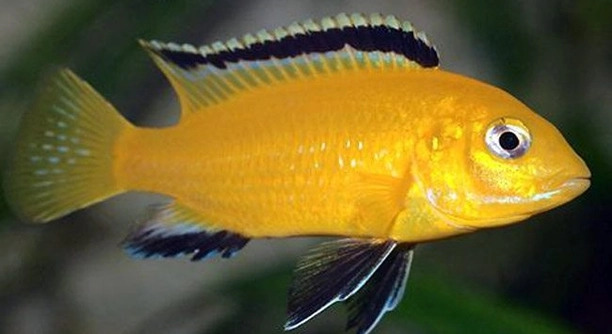
African cichlids are popular freshwater fish known for their bright colors and lively behavior. Many aquarium enthusiasts enjoy watching their interactions and unique traits. One question often arises about these fish is how well they remember things in their environment.
African cichlids have shown the ability to recognize their surroundings and remember social interactions. Studies indicate they possess good memory skills that help them find food, avoid threats, and interact with other fish. Their memory plays an important role in their survival and behavior.
Understanding cichlid memory can improve how we care for them and observe their natural habits. Learning about their cognitive skills offers insight into their complex world beneath the water surface.
How African Cichlids Use Their Memory
African cichlids rely on memory to navigate their environment and interact with others. They can remember locations where food is available, helping them return to feeding spots repeatedly. This ability is essential in the wild, where food sources may be scattered. They also recall social hierarchies, recognizing which fish are dominant or submissive. This memory helps reduce conflicts and maintain group stability. In aquariums, cichlids quickly learn to identify their owners and routines, showing that their memory extends beyond just survival needs. Their brain structure supports these skills, allowing them to store and retrieve important information efficiently. Memory helps them adapt to changes, such as new tank mates or decorations, by learning and remembering new patterns. This makes them more than simple fish; they display behaviors that suggest a strong capacity for learning and memory.
Remembering details about their environment is a key part of how cichlids thrive.
African cichlids’ memory helps them adjust behavior based on past experiences. They can avoid harmful situations and respond to familiar cues, which is valuable in both natural habitats and home tanks. This skill improves their chances of survival and comfort. Observing these fish can reveal how memory shapes their actions, from hunting to social interactions. Their ability to learn from experience shows a higher level of cognitive function than often assumed. Providing a stimulating environment in aquariums can help maintain their mental sharpness. Understanding their memory allows caretakers to create better conditions that support their natural behavior and well-being.
Factors That Influence Memory in African Cichlids
Memory in African cichlids can be affected by their environment, health, and stress levels. A stable and enriched environment supports better learning and recall. Poor water quality or overcrowding can cause stress, which negatively impacts memory. Proper nutrition also plays a crucial role, as it fuels brain function. If a cichlid is sick or stressed, it may forget familiar places or social cues, leading to confusion or aggression. Providing a calm and well-maintained habitat allows their memory to function properly. Regular interaction and gentle handling can strengthen their recognition skills. These factors work together to support or hinder memory, showing that care practices influence cognitive abilities. A healthy cichlid is more likely to remember and react appropriately to its surroundings.
Creating a positive environment helps cichlids keep their memory sharp and behavior normal.
A good environment means clear water, enough space, and places to explore or hide. This lets cichlids practice their memory daily. Stress from poor conditions can cause them to forget what they have learned or become less active. Keeping their diet balanced with the right nutrients ensures their brain stays healthy. This includes proteins, vitamins, and minerals that support nerve function. Avoiding sudden changes in the tank also helps maintain a steady memory function. When cichlids feel secure, they can focus on learning and remembering rather than just surviving. Observing their behavior can show signs of how well they remember and adapt. Careful attention to these factors improves their overall quality of life.
Memory Tests on African Cichlids
African cichlids have been subjects in various memory studies, showing they can learn and remember tasks over days or weeks. These tests often focus on their ability to recognize objects or locations.
One common test involves training cichlids to associate a certain area with food. Over repeated trials, the fish learn to swim directly to that spot. This shows their ability to form spatial memory. In some experiments, cichlids remember the correct location even after several days without reinforcement, indicating long-term memory capacity. Their performance in these tests demonstrates not only memory but also learning ability and adaptability.
Other tests examine social memory, where cichlids recognize tank mates they have previously encountered. They adjust their behavior based on past social interactions, showing they remember individual fish. This recognition helps maintain social order and reduce aggression. These findings confirm that African cichlids rely on memory for many aspects of their daily life.
How Memory Benefits African Cichlids in Captivity
Memory allows cichlids to adapt better to captive conditions, making them easier to care for. They recognize feeding times and caretakers, which reduces stress during routine tasks.
In captivity, memory helps cichlids navigate their tanks and remember hiding spots or territory boundaries. This reduces conflicts and helps them feel secure. Knowing feeding schedules and recognizing owners makes them more responsive and less anxious. Additionally, they can learn to respond to signals or environmental changes, improving their interaction with caretakers. Strong memory supports their overall well-being by promoting natural behaviors and reducing stress.
Providing enrichment and stable routines helps maintain their memory skills in home aquariums. Introducing new objects or rearranging decorations can stimulate their learning and prevent boredom. Caretakers who understand these memory benefits can improve the fish’s quality of life significantly.
Training African Cichlids
African cichlids respond well to simple training methods. They can learn to associate signals with feeding or recognize specific objects in their tank. Consistent repetition helps reinforce these learned behaviors.
Using visual or sound cues during feeding times encourages their memory. Over time, they begin to anticipate food when the cue is given. This shows how memory and learning work together in these fish. Training also provides mental stimulation, which is important for their well-being.
Signs of Good Memory in Cichlids
Good memory in cichlids is seen when they quickly find food or avoid repeated threats. They remember tank mates and react accordingly.
Observing their behavior over time reveals their learning ability and memory strength. Cichlids that adapt fast to changes show sharper cognitive skills.
Memory Limitations in African Cichlids
While African cichlids have impressive memory, it is not unlimited. Their recall may fade without regular reinforcement. Memory also varies by individual and environmental factors, making some fish better learners than others.
Memory and Survival
Memory directly impacts a cichlid’s chances of survival. Remembering safe areas and recognizing predators helps them avoid danger and live longer.
FAQ
How long can African cichlids remember things?
African cichlids have shown the ability to remember locations, social interactions, and learned behaviors for several days to weeks. Some studies suggest they retain important information long enough to navigate their environment and interact successfully with other fish. Regular reinforcement helps maintain these memories.
Can African cichlids recognize their owners?
Yes, African cichlids can recognize people who feed and care for them. They often respond to the presence of their caretakers by coming closer or showing anticipation during feeding times. This recognition is a result of their memory and learning abilities.
Do African cichlids have good social memory?
They do. Cichlids remember individual tank mates and their social rank. This memory helps them avoid unnecessary fights and maintain a stable social hierarchy. Recognizing other fish reduces stress and aggression in community tanks.
What affects memory in African cichlids?
Memory can be influenced by tank conditions, stress levels, and nutrition. Poor water quality or overcrowding can impair cognitive function. Proper diet with essential nutrients supports brain health. Stress reduction through a calm environment improves memory retention.
Can I train my African cichlid?
Training is possible with patience and consistency. Using visual or sound cues during feeding encourages memory and learning. Simple commands like coming to a certain spot for food can be taught over time. Training also provides mental stimulation.
Do African cichlids forget things?
Yes, if memories are not reinforced, cichlids can forget. Memory fades without repetition or if the fish is stressed or unhealthy. Regular interaction and a stable environment help maintain their cognitive skills.
How does memory help cichlids survive in the wild?
Memory helps cichlids find food sources, avoid predators, and remember safe hiding spots. Social memory prevents repeated fights, conserving energy. These survival skills depend heavily on their ability to recall past experiences.
Is memory the same in all cichlids?
Memory abilities can vary between species and individuals. Environmental factors and genetic differences play a role. Some cichlids learn faster or remember better, while others may have shorter memory spans.
What signs show my cichlid has good memory?
Signs include quickly finding food, recognizing owners, remembering territory, and adapting to new tank setups. Fish that show these behaviors likely have strong memory and learning capacity.
Can memory problems indicate health issues in cichlids?
If a cichlid suddenly forgets familiar places or behaves unusually, it might be stressed, sick, or in poor water conditions. Memory decline can be an early warning sign of health problems requiring attention.
African cichlids have shown they possess a good memory that helps them live and interact in their environment. Their ability to remember food locations, social relationships, and routines is important for their survival. This memory is not just limited to short-term recall; many cichlids can remember information for several days or even weeks. This means they are capable of learning and adapting to changes around them. In both natural habitats and home aquariums, memory plays a key role in how these fish behave and respond to situations.
The memory skills of African cichlids can be supported or hindered by several factors. A healthy, stable environment with good water quality and proper nutrition helps maintain their cognitive abilities. On the other hand, stress caused by overcrowding, poor diet, or sudden changes can reduce their memory capacity. Providing a calm tank with places to hide and enough space allows cichlids to feel secure, which in turn supports better learning and memory. Regular feeding times and gentle interaction also reinforce their memory by creating consistent routines.
Understanding how memory works in African cichlids can improve how they are cared for. By recognizing their ability to remember and learn, caretakers can create better environments that encourage natural behaviors. Simple training methods and mental stimulation can keep these fish active and healthy. Observing their memory-related behaviors also gives insight into their well-being. Overall, memory is an important part of what makes African cichlids interesting and adaptable fish, both in the wild and in captivity.

Hello,
If you enjoy the content that we create, please consider saying a "Thank You!" by leaving a tip.
Every little bit helps us continue crafting quality advice that supports the health, happiness, and well-being of pets around the world, for pets of all shapes, sizes, and species.
We really appreciate the kindness and support that you show us!