
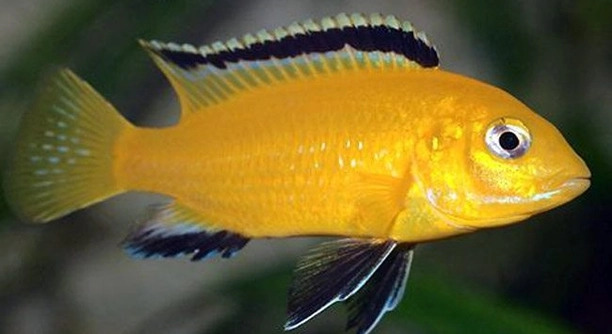
African cichlids are popular freshwater fish often kept in home aquariums. Many fish owners wonder how these colorful creatures behave when placed in large tanks. Their social needs and behavior can vary depending on tank conditions and companions.
African cichlids do not get lonely in big tanks if they are kept with appropriate tank mates and environmental enrichment. They thrive best in groups and benefit from hiding spots, which reduce stress and promote natural behaviors in spacious environments.
Understanding how tank size and social setup affect these fish will help ensure their well-being and create a balanced aquatic environment for them to flourish.
Understanding African Cichlids’ Social Behavior
African cichlids come from diverse habitats, often living in rocky lakes and fast-moving streams. In the wild, they form complex social groups where territory and hierarchy play important roles. These fish communicate through body language, color changes, and sometimes sound. In an aquarium setting, their social behavior can be quite different based on how many fish are kept and the tank’s layout. Overcrowding or isolation may cause stress, aggression, or hiding. On the other hand, a well-planned tank with enough space and places to explore encourages natural interactions and reduces tension. Knowing their behavior helps to set up a tank that meets their needs and keeps them healthy and active.
Proper social interaction depends largely on group size, tank environment, and species compatibility. African cichlids tend to feel comfortable when kept in groups that mimic their natural social structures.
Setting up an aquarium with varied hiding spots, rocks, and plants helps create a comfortable space for African cichlids. When kept alone, these fish can become stressed or inactive, which is why they usually do better in groups of at least five or more. Watching how they interact can also provide clues about their comfort level and health. Balancing space and social needs is key for their happiness.
Tank Size and Its Impact on Behavior
Tank size plays a crucial role in how African cichlids behave. In a small tank, limited space can lead to increased aggression as fish compete for territory. Larger tanks offer more room to spread out, which usually reduces conflict. However, simply increasing tank size is not always enough. It’s essential to add physical barriers like rocks and caves to break lines of sight and provide places for fish to retreat. This structure helps maintain peace among dominant and submissive individuals. The right tank size depends on the species and number of cichlids kept, but generally, bigger tanks lead to better social harmony and more natural behavior.
A large tank alone does not guarantee peaceful interactions.
While bigger tanks reduce crowding, social harmony depends on how space is used. A well-decorated tank encourages natural behaviors and helps avoid fights. Without proper setup, even large tanks can become stressful. Observing fish behavior helps adjust conditions for a balanced, healthy environment.
Signs That African Cichlids Are Stressed or Lonely
Stress in African cichlids can show in several ways, including hiding often, loss of color, or aggressive behavior. These signs suggest their environment may not be meeting their needs.
When cichlids feel isolated or uncomfortable, they may lose their vibrant colors and become less active. Constant hiding or refusal to eat can indicate stress or loneliness. Aggression toward tank mates is another red flag, often caused by insufficient space or lack of companions. Observing these behaviors helps determine if adjustments are needed to improve their living conditions.
Addressing these issues quickly is important. Adding more suitable tank mates, rearranging decorations for more hiding spots, or increasing tank size can reduce stress. Sometimes, introducing a group of compatible fish helps cichlids feel more secure. Regular observation and care prevent long-term problems and promote a healthier tank environment.
Tips for Keeping African Cichlids Happy Together
Keeping African cichlids happy starts with choosing the right species and maintaining proper group sizes. Compatibility between species minimizes fights and promotes natural social behaviors.
Ensure the tank has plenty of hiding spaces using rocks, caves, or plants. This setup allows fish to establish territories without constant confrontation. Regular water changes and good filtration keep water quality high, which also affects their mood. Feeding a balanced diet tailored to their species keeps them healthy and vibrant. Observing interactions regularly helps identify if changes are needed to reduce stress and aggression. Creating a balanced environment encourages cichlids to thrive and display their best colors.
How Many African Cichlids Should You Keep?
Keeping too few African cichlids can cause them to feel lonely or stressed. Generally, it’s best to keep at least five or more to promote natural social behaviors.
A larger group helps spread aggression and creates a more stable social hierarchy. This reduces stress and makes the tank environment healthier for everyone.
The Role of Tank Decorations in Reducing Stress
Tank decorations like rocks and caves create important hiding places. These areas give cichlids space to retreat and reduce conflict between fish.
Adding variety in tank decorations mimics their natural environment. This encourages exploration and natural behavior, keeping them mentally stimulated and calm.
Choosing Compatible Tank Mates
Choosing tank mates carefully is important. African cichlids do best with species that can handle their territorial nature without getting overwhelmed or aggressive.
Feeding to Support Social Health
Feeding a balanced diet supports overall health and reduces stress. Proper nutrition helps keep cichlids active and less likely to become aggressive or withdrawn.
FAQ
Do African cichlids need to be kept in groups?
Yes, African cichlids are social fish that usually do better in groups. Keeping at least five together helps them establish a natural social structure. A group size like this reduces aggression and prevents loneliness, promoting healthier, more active fish.
Can African cichlids get lonely in big tanks?
African cichlids do not get lonely simply because a tank is large. Their social needs depend more on tank mates and environment than size alone. A big tank with few or no companions may cause stress, while a smaller tank with a proper group can be comfortable.
What tank size is ideal for African cichlids?
Tank size depends on the species and number of fish. Generally, a 55-gallon tank or larger is recommended for a group of five or more. Larger tanks allow better territory distribution and reduce aggression. However, decorations and hiding spots are just as important as tank size.
How do I know if my cichlids are stressed?
Signs of stress include hiding, loss of color, decreased appetite, and increased aggression. Watch your fish closely; if they behave differently or seem less active, it might be time to adjust their environment or social setup.
What are good tank mates for African cichlids?
Tank mates should be species that tolerate cichlid behavior and similar water conditions. Other robust cichlids or larger fish that can defend themselves work well. Avoid small, peaceful fish that might become targets of aggression.
How important are tank decorations for African cichlids?
Decorations like rocks, caves, and plants are vital. They break the tank into territories and offer places to hide. This helps reduce fights and stress. The more natural and varied the setup, the happier your fish will be.
Should I feed African cichlids special food?
Yes, feeding a balanced diet suited to the species is important. Many cichlids need a mix of protein and vegetable matter. Quality pellets, flakes, and occasional live or frozen food keep them healthy and vibrant.
Can African cichlids live alone?
While possible, keeping African cichlids alone is not ideal. They are social and usually thrive in groups. Alone, they may become stressed, inactive, or show abnormal behavior. Groups of compatible fish are best for their well-being.
How often should I clean a cichlid tank?
Regular water changes and cleaning are important. Changing 20-30% of the water weekly helps maintain water quality. Cleaning decorations and removing waste also keeps the environment healthy. Good water quality reduces stress and disease risks.
What causes aggression in African cichlids?
Aggression often comes from limited space, lack of hiding places, or incompatible tank mates. Territorial disputes are natural but can be controlled with a proper tank layout and social group. Monitoring behavior and adjusting tank conditions reduce fighting.
African cichlids are interesting fish with unique social behaviors that need attention when keeping them in an aquarium. Their natural environment involves living in groups and defending territories, so replicating these conditions in a tank is important for their well-being. A large tank alone is not enough to keep them comfortable. The right number of companions, proper tank decorations, and clean water all play a key role in making sure these fish are healthy and stress-free. Understanding their needs helps prevent loneliness and aggression, which can harm the fish over time.
When setting up a tank for African cichlids, it is best to provide plenty of hiding spots and enough space for each fish to have its own area. Rocks, caves, and plants are excellent for breaking up the space and giving fish places to retreat when needed. This reduces tension and allows them to behave more naturally. Keeping them in groups of at least five or more is usually ideal, as it spreads out aggression and supports social interaction. Watching how the fish behave can guide any needed changes to improve their environment. Regular maintenance, such as water changes and feeding a balanced diet, also helps keep the fish strong and active.
In the end, African cichlids thrive best when their social and environmental needs are met carefully. Paying attention to their behavior, tank setup, and companions will result in happier and healthier fish. This care does not require complicated steps but rather simple, consistent actions to create a balanced aquarium. Taking the time to understand these fish and provide a suitable home leads to a rewarding experience for anyone interested in keeping African cichlids. Their bright colors and lively personalities make them a pleasure to watch when they are comfortable and content.

Hello,
If you enjoy the content that we create, please consider saying a "Thank You!" by leaving a tip.
Every little bit helps us continue crafting quality advice that supports the health, happiness, and well-being of pets around the world, for pets of all shapes, sizes, and species.
We really appreciate the kindness and support that you show us!