
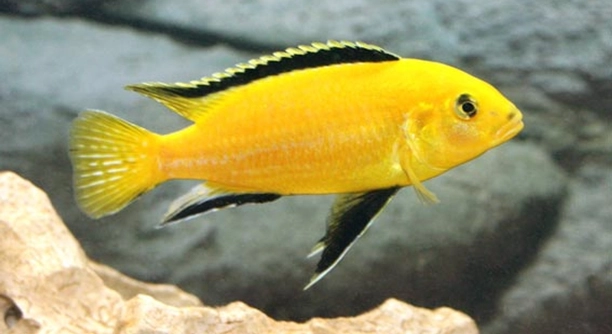
Many fish lovers enjoy keeping African cichlids for their vibrant colors and lively behavior. These fish often show interesting patterns in how they interact with their environment. Observing their habits can be both fun and insightful.
African cichlids tend to establish territories rather than form emotional attachments to places. Their behavior is driven mainly by instincts related to safety, breeding, and food availability. Territoriality helps them secure resources, but it is not the same as attachment seen in mammals.
Learning about these behaviors can help you create a better habitat for your cichlids. This knowledge supports their well-being and keeps their environment stimulating and healthy.
How African Cichlids Choose Their Territory
African cichlids are known for their strong sense of territory. They pick spots based on safety and access to food. Rocks, caves, and hiding places become their preferred areas because these spots help them avoid predators and feel secure. Males are especially territorial, marking boundaries aggressively to keep rivals away. This behavior is natural and helps maintain order in their tank or natural habitat. Females usually have smaller territories but still need places to hide when they’re caring for their young. The layout of the tank can influence how these fish behave. Providing plenty of rocks and shelters helps reduce stress and aggression. When their environment feels safe and predictable, cichlids are more likely to thrive and show natural behaviors. Understanding how they choose territory can make it easier to care for them properly.
Territory selection is based on safety, food, and breeding needs. It is a natural instinct rather than emotional attachment.
Setting up a tank that respects these needs encourages healthier, more peaceful fish. Adding varied hiding spots and open spaces lets cichlids feel secure while swimming freely.
Signs of Territorial Behavior
Territorial behavior in African cichlids can be seen in chasing, digging, and guarding certain areas. They often guard rocks or caves intensely. This behavior helps them claim space and protect resources.
Aggressive displays, like flaring fins or chasing other fish, are common. Some cichlids dig in the substrate to build nests or clear a spot for breeding. These actions show how seriously they take their territory. It’s important to provide enough space and decorations to reduce fights. When cichlids have well-defined spaces, they are less stressed and more active. Observing their body language can tell you when they feel threatened or comfortable. Over time, they may shift territories as they grow or as tank conditions change. Recognizing these patterns helps keep the tank balanced and peaceful.
If aggression gets too high, rearranging the tank or adding new hiding spots can calm them down.
Giving cichlids a varied and natural environment supports their territorial instincts without causing harm.
How Environment Affects Attachment
African cichlids rely heavily on their environment to feel secure. A stable, familiar setting helps them stay calm and behave naturally. Sudden changes can cause stress and confusion, affecting their comfort.
A tank with consistent water quality, temperature, and decorations encourages cichlids to settle into specific areas. When they recognize their space, they explore more and show less aggression. Adding natural elements like rocks and plants helps mimic their natural habitat, supporting their instincts. Over time, they become familiar with hiding spots and feeding zones, creating a sense of routine. This routine isn’t emotional attachment but a reliance on known surroundings for safety. When tanks are frequently rearranged, cichlids may become anxious and stressed, leading to less healthy behavior and weaker immune systems.
Providing a steady environment improves their well-being and encourages natural behaviors that make them interesting to watch.
Maintaining clean, stable conditions is key to helping cichlids feel secure and behave their best.
Social Dynamics and Territory
African cichlids live in communities where social order is important. Dominant fish claim the best territories, while others adjust to less desirable spots. This hierarchy shapes where each fish spends most of its time.
The presence of other cichlids impacts territory choices heavily. When space is limited, conflicts increase, and weaker fish may be forced into smaller or less safe areas. Group size and species mix affect how territories form and shift. Providing ample space and hiding places reduces tension and allows fish to establish their preferred spots more easily. Watching how cichlids interact can reveal the social structure in your tank. Sometimes, a fish will change its territory if challenged or outcompeted. Social dynamics are always evolving, so paying attention to these changes helps keep peace in the aquarium.
Understanding how cichlids interact socially helps you manage their space better and reduce stress-related behavior.
Territorial Changes Over Time
African cichlids may change their preferred spots as they grow or when tank conditions shift. These changes reflect their need for better shelter or more space.
Seasonal behaviors and breeding cycles also influence territory shifts. Male cichlids especially adjust territories to attract mates or defend eggs.
Breeding and Territory
Breeding increases territorial behavior in African cichlids. Males often become more aggressive and protective of chosen spots to guard eggs and fry. Providing separate breeding areas reduces stress for both parents and other fish. Understanding these changes helps maintain a peaceful tank during breeding periods.
Can Cichlids Recognize Their Tank?
Cichlids get familiar with their tank environment over time. They use visual and chemical cues to navigate and feel secure within their space.
Signs of Stress from Territory Loss
Territory loss can cause stress in African cichlids, leading to hiding, loss of appetite, or increased aggression toward tank mates.
How do African cichlids show attachment to their environment?
African cichlids don’t form emotional attachments like mammals but do become familiar with their surroundings. They recognize hiding spots, feeding areas, and safe zones. This familiarity helps reduce stress and supports natural behaviors. When the environment is stable, they explore more confidently and defend their chosen territory.
Can African cichlids get stressed if their tank is rearranged?
Yes, sudden changes can cause stress. Cichlids rely on consistent landmarks for navigation and safety. Moving decorations or rocks disrupts their sense of territory, leading to anxiety or aggressive behavior. Keeping the tank layout stable helps maintain a calm atmosphere and prevents unnecessary stress.
Do African cichlids remember their territory?
Cichlids have good spatial memory related to their environment. They remember the location of shelters, food sources, and breeding sites. This memory helps them react quickly to threats or opportunities. However, their “memory” is tied to survival instincts rather than emotional bonds.
How can I help my cichlids feel secure in their tank?
Provide plenty of hiding spots like rocks and caves. Keep water conditions stable and avoid sudden changes in temperature or layout. Feeding on a regular schedule also helps cichlids anticipate their environment. A well-structured tank mimics their natural habitat and supports their instincts.
Why do cichlids become aggressive when defending territory?
Territorial aggression is natural and helps maintain order. Males especially protect their area to secure resources and attract mates. This behavior prevents overcrowding and competition. Offering enough space and multiple hiding places reduces conflicts and lets fish establish personal zones without constant fighting.
What should I do if two cichlids are fighting over territory?
If fights become severe, try rearranging the tank to break up established territories. Adding more rocks or decorations can provide alternative spots. Separating aggressive individuals temporarily might be necessary. Ensuring the tank is large enough for all fish to have their own space usually prevents long-term problems.
Do cichlids form social bonds or friendships?
Cichlids don’t form friendships like mammals do. Their interactions focus on hierarchy and territory. Some species live in groups with social structures, but these are based on survival rather than affection. They tolerate or avoid others depending on status and space availability.
How does breeding affect territory behavior?
During breeding, territorial behavior intensifies. Males guard nesting sites fiercely, and females protect eggs and fry. This can increase aggression toward other fish. Providing separate breeding areas or tanks helps reduce stress and allows parents to care for their young safely.
Can cichlids adapt to changes in their environment over time?
Yes, cichlids adapt but need time to adjust. Gradual changes are less stressful than sudden ones. If tank conditions or layout shift slowly, fish learn new landmarks and settle into updated territories. Patience and careful management make transitions easier for them.
What are signs my cichlid is stressed due to territory issues?
Signs include hiding excessively, loss of appetite, erratic swimming, or increased aggression. A stressed cichlid may lose color or show lethargy. Monitoring behavior closely helps catch problems early. Improving tank conditions or adjusting fish numbers can restore balance and reduce stress.
Is it better to keep African cichlids in groups or alone?
Keeping cichlids in groups is common, but space must be sufficient to prevent fights. Some species do better in pairs or small groups. Alone, a cichlid may lack social stimulation but also avoid aggression. The best choice depends on species, tank size, and your setup.
How do I know if my cichlid feels comfortable in its territory?
Comfortable cichlids explore freely, display natural colors, and interact calmly with tank mates. They use hiding spots but don’t remain hidden constantly. Their behavior is steady, without sudden bursts of aggression or fear. Observing daily habits gives clues about their comfort level.
Does lighting affect how cichlids perceive their territory?
Lighting influences how fish see their environment. Bright light can expose them and increase stress, while dim or natural lighting feels safer. Shadows from rocks and plants create hiding spots. Adjusting light levels can help cichlids feel more secure in their tank.
Can adding new fish disrupt established territories?
Yes, new fish introduce competition and can cause fights. Established cichlids defend their spots aggressively. Introducing new fish slowly and providing extra hiding places helps ease the transition. Sometimes, rearranging the tank when adding fish reduces territorial disputes.
Are certain species of African cichlids more territorial than others?
Some species are known for stronger territorial instincts, especially those from rocky lake environments. Mbuna cichlids, for example, are very territorial and aggressive. Other species may be more peaceful but still need defined spaces. Knowing species traits helps in planning the tank setup.
How often should I rearrange my cichlid tank?
It’s best to keep the layout stable for long periods. Frequent rearranging disrupts territory and stresses fish. If changes are needed, do them slowly and in stages. Allow time between adjustments so cichlids can adapt without anxiety.
What is the impact of tank size on cichlid territorial behavior?
Smaller tanks increase competition and aggression due to limited space. Larger tanks allow fish to spread out, reducing conflicts. Providing ample room supports natural behaviors and makes it easier for each fish to claim a territory without constant fights.
How do chemical signals play a role in cichlid territory?
Cichlids release chemical cues to mark territory and communicate. These signals help fish recognize neighbors and avoid unnecessary fights. Chemical communication adds a layer of control beyond visual displays, maintaining social order within the tank.
Can cichlids live peacefully with other fish species?
It depends on the species and tank setup. Some fish tolerate others well if territories don’t overlap. Aggressive cichlids may harm smaller or less territorial species. Careful planning of tank mates and territory boundaries reduces risks and promotes harmony.
How can I create a tank that supports natural cichlid behavior?
Use rocks, caves, and plants to mimic natural habitats. Provide enough space and varied hiding spots. Maintain stable water conditions and feed regularly. Observing your cichlids helps you adjust the environment to their needs, encouraging healthy and natural behaviors.
African cichlids have unique behaviors that are closely linked to their environment. They don’t form emotional attachments to places like humans do, but they do become very familiar with their surroundings. This familiarity helps them feel safe and secure. When they recognize their territory, they can focus on important activities like feeding, breeding, and defending their space. A stable environment with plenty of hiding spots and familiar landmarks encourages natural behavior and reduces stress. Knowing this can help you create a comfortable home for your cichlids where they can thrive.
Changes in the tank can affect how cichlids behave. Sudden rearrangements or shifts in water quality can make them stressed or aggressive. It is important to keep their environment as steady as possible. If changes are necessary, doing them slowly and carefully allows the fish to adjust. Also, paying attention to their social interactions helps prevent problems. Some cichlids are more territorial than others, and conflicts can happen if the tank is too crowded or if there aren’t enough hiding places. Managing these factors improves the health and happiness of the fish.
Understanding how African cichlids relate to their environment is useful for anyone caring for them. By offering a stable, well-structured tank with enough space, you help reduce stress and support their natural instincts. Watching how they choose and defend territory gives insight into their behavior and needs. This knowledge can guide how you set up and maintain the aquarium. Keeping cichlids healthy and comfortable takes attention to their environment and social needs, but it also makes caring for them more rewarding.

Hello,
If you enjoy the content that we create, please consider saying a "Thank You!" by leaving a tip.
Every little bit helps us continue crafting quality advice that supports the health, happiness, and well-being of pets around the world, for pets of all shapes, sizes, and species.
We really appreciate the kindness and support that you show us!