
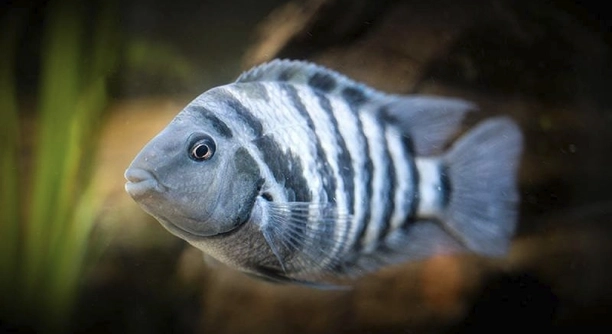
African cichlids are popular freshwater fish known for their bright colors and lively behavior. Many fish keepers enjoy watching them in home aquariums. These fish often seem aware of their surroundings and the people nearby.
African cichlids do not form emotional attachments to owners like pets such as dogs or cats. Their behavior is mostly driven by instincts related to territory, feeding, and survival rather than social bonding with humans. However, they may recognize feeding routines and respond to familiar movements.
Learning about how African cichlids interact with their environment and owners can help improve their care and deepen your appreciation of these vibrant fish.
How African Cichlids Show Recognition
African cichlids can learn to recognize their owners, mainly through repeated feeding times and movements near the tank. They quickly associate people with food, which explains why they often swim to the front when someone approaches. This recognition is not emotional but rather a conditioned response to predictable events. The fish may also become less shy over time, seeming more comfortable with regular human presence. Their behavior can include swimming closer, following fingers outside the tank, or even nudging the glass during feeding. These reactions show a form of awareness but do not mean the fish feel attachment like mammals do. Instead, cichlids respond to stimuli in their environment that benefit their survival and daily routine.
This type of recognition is based on learning, not feelings, but it makes interactions more engaging for owners.
Understanding these behaviors helps owners provide better care, making the aquarium experience more enjoyable and rewarding.
Do African Cichlids Need Social Interaction?
Cichlids often live in groups in the wild, so social interaction plays a role in their behavior and well-being.
In captivity, social needs vary depending on species. Some African cichlids are territorial and aggressive, especially males, and may not tolerate tank mates well. Others do better in small groups with clear territory boundaries. Providing hiding spots and maintaining proper tank size reduces stress and aggression. While cichlids do not require human companionship for survival, a well-planned community tank promotes natural behaviors and reduces boredom. Owners should research species-specific needs to create a balanced environment. Interaction with tank mates offers mental stimulation, which is important for healthy fish.
Though they don’t bond with owners emotionally, African cichlids thrive when their social and environmental needs are met. This balance supports their health and vibrant colors, making them more active and visually appealing in the aquarium.
Signs of Stress in African Cichlids
Stress in African cichlids often shows through changes in behavior or appearance. Signs include hiding, loss of color, reduced appetite, and erratic swimming.
Stress can be caused by poor water quality, overcrowding, or aggressive tank mates. These factors disrupt their environment, making the fish feel unsafe. When stressed, cichlids may become more prone to illness, and their immune system weakens. Regular water testing and proper tank maintenance are essential to prevent stress. Also, providing adequate hiding places helps fish feel secure, lowering stress levels. Recognizing these signs early allows you to adjust conditions before problems worsen, improving your fish’s well-being and lifespan.
Keeping a calm environment and stable water parameters creates a healthier space where cichlids can thrive without unnecessary stress.
Building a Positive Environment for Your Cichlids
A suitable environment is key for happy African cichlids. This means clean water, stable temperature, and enough space.
Providing hiding spots with rocks and plants helps reduce aggression and stress. It lets fish claim territory and feel secure. Avoid overcrowding to limit fights and improve water quality. Feeding a balanced diet supports their health and vibrant colors. Monitoring water parameters like pH, hardness, and ammonia levels keeps their environment safe. Maintaining consistent lighting and a regular feeding schedule also helps fish settle into a routine.
By focusing on these needs, your cichlids will display more natural behaviors and enjoy better health. A well-set tank encourages active, confident fish that are a joy to watch.
Training African Cichlids to Recognize You
African cichlids can be trained to recognize feeding times and respond to your presence. Consistency in feeding schedules helps them associate you with food.
Using the same hand movements when feeding encourages them to come closer. Over time, this builds familiarity without true emotional attachment.
Interaction Without Attachment
While cichlids don’t form bonds like mammals, interacting with them improves their environment. They respond to routine and gentle movements, which can reduce stress. Regular care and attention make the aquarium feel more dynamic and engaging for both owner and fish.
Avoiding Over-Handling
Handling African cichlids often stresses them and risks injury. It’s best to limit physical contact and focus on observation and care.
Enriching Their Tank Life
Adding toys, plants, and varied environments keeps cichlids mentally stimulated. Enrichment promotes natural behavior and reduces boredom.
Do African Cichlids Recognize Their Owners?
African cichlids recognize patterns related to feeding and movements near the tank. They can learn to associate a person’s presence with food, showing excitement when that person approaches. However, this recognition is based on routine, not emotional connection. They respond to familiar signals rather than personal bonds.
Can African Cichlids Get Attached to Their Owners?
African cichlids do not form attachments like dogs or cats. Their brain and behavior focus on survival, territory, and feeding. What may look like attachment is usually learned behavior tied to feeding times or environmental cues. They rely on instinct rather than emotional bonding with humans.
How Can I Tell If My Cichlid Is Stressed?
Stress signs include faded colors, hiding more than usual, loss of appetite, and erratic swimming. Stress may also cause your cichlid to breathe rapidly or show clamped fins. These signs usually mean water quality, tank size, or social conditions need improvement. Regular tank maintenance and monitoring are important to reduce stress.
What Can I Do to Help My Cichlid Feel Safe?
Provide plenty of hiding places with rocks, caves, and plants. Keep the tank clean and stable, avoiding sudden changes in temperature or water chemistry. Avoid overcrowding and aggressive tank mates. Feeding on a regular schedule also helps fish feel secure in their environment.
Is It Okay to Handle African Cichlids?
Handling cichlids is generally not recommended as it stresses the fish and can cause injury. If you must move them, use a soft net and handle carefully. It’s better to focus on observation and tank care rather than physical contact.
Can African Cichlids Learn Tricks or Respond to Training?
While they won’t perform tricks, cichlids can learn to recognize feeding times and respond to certain hand movements. Consistency in routine helps them associate your presence with food, making feeding time more interactive and enjoyable.
Do African Cichlids Need Company?
Many African cichlids are social in nature, but some species are very territorial and aggressive. Research your species’ social needs before adding tank mates. Providing the right balance reduces stress and encourages natural behaviors.
What Should I Feed My African Cichlids?
A varied diet including high-quality flakes, pellets, and occasional live or frozen foods supports health and coloration. Avoid overfeeding to maintain water quality. Feeding small amounts multiple times a day works best for their digestion.
How Often Should I Clean the Tank?
Perform partial water changes weekly or biweekly depending on tank size and stocking levels. Regular cleaning of filters and substrate helps maintain water quality. Clean water reduces stress and disease risks for your cichlids.
Can African Cichlids Recognize Different People?
They mostly respond to routines rather than individuals. A consistent feeding routine helps them recognize the person who feeds them, but they do not differentiate between people on an emotional level.
What Is the Best Tank Setup for African Cichlids?
Use a tank with plenty of rocks, caves, and hiding spots to mimic their natural habitat. Maintain stable water conditions with proper filtration. The tank size should allow enough space to reduce territorial aggression. Proper setup improves their health and behavior.
How Can I Reduce Aggression Among Cichlids?
Provide plenty of hiding places and maintain enough space to create territories. Avoid keeping too many males together. Monitor behavior closely and separate aggressive fish if necessary. Proper tank setup and species selection are key to minimizing fights.
Why Do African Cichlids Sometimes Ignore Their Owners?
If not hungry or stressed, cichlids may avoid interaction. They are independent fish and respond mostly to environmental cues. Consistent care and feeding routines help keep them responsive and active near owners.
How Long Do African Cichlids Live?
With proper care, African cichlids can live 7 to 10 years or longer. Good water quality, diet, and tank environment all contribute to their lifespan. Regular health monitoring is important to catch issues early.
Are African Cichlids Good for Beginners?
Some species are suitable for beginners due to their hardiness, but others require more experience because of aggression or specific care needs. Research the species thoroughly before starting an aquarium with African cichlids.
Can African Cichlids Recognize Mirrors?
They often react to their reflection as if it were another fish, sometimes displaying territorial behavior. This reaction is based on instinct, not self-recognition, and can cause stress if mirrors are left in the tank too long.
Is It Normal for African Cichlids to Chase People’s Fingers?
They may follow or nudge fingers near the tank out of curiosity or because they expect food. This behavior is learned from feeding routines and does not indicate emotional attachment.
What Are Common Health Issues in African Cichlids?
Common problems include ich, fin rot, and swim bladder issues, often caused by poor water quality or stress. Maintaining clean water and a stable environment helps prevent diseases. Early detection and treatment improve recovery chances.
How Can I Tell the Gender of African Cichlids?
Gender differences vary by species but often include color intensity, fin shape, and size. Males are usually more colorful and larger. Accurate identification helps with tank compatibility and breeding plans.
Do African Cichlids Breed Easily in Captivity?
Many species breed readily if tank conditions are suitable. Providing the right environment, including clean water, hiding places, and proper diet, encourages breeding behavior. Some species require specific triggers like water temperature changes.
Can African Cichlids Live with Other Fish?
Tank mates must be chosen carefully, as many cichlids are aggressive. Compatible species should tolerate similar water conditions and avoid triggering fights. Research and careful planning help create peaceful community tanks.
African cichlids are fascinating fish that bring color and life to home aquariums. While they do not form emotional attachments to their owners like some pets, they can learn to recognize feeding routines and respond to familiar movements. This kind of recognition is based on habit and survival instincts rather than feelings or bonding. Understanding this helps set realistic expectations when caring for these fish and allows owners to appreciate their unique behaviors without projecting human emotions onto them.
Creating a healthy and comfortable environment is the best way to keep African cichlids thriving. Maintaining clean water, stable temperatures, and proper tank size are essential for their well-being. Providing hiding spots and controlling aggression within the tank also reduce stress, which helps the fish stay active and display their bright colors. Consistency in feeding and tank care can encourage cichlids to recognize their owners and interact during feeding times, making the aquarium experience more enjoyable and interactive.
In the end, African cichlids require attention to their physical and environmental needs more than social bonding. Their natural behaviors are driven by instincts rather than emotional connections with people. By focusing on their care and creating a suitable habitat, owners can enjoy watching their vibrant personalities and behaviors. While they may not get attached like other pets, these fish still offer a rewarding and lively presence in any home aquarium.

Hello,
If you enjoy the content that we create, please consider saying a "Thank You!" by leaving a tip.
Every little bit helps us continue crafting quality advice that supports the health, happiness, and well-being of pets around the world, for pets of all shapes, sizes, and species.
We really appreciate the kindness and support that you show us!