
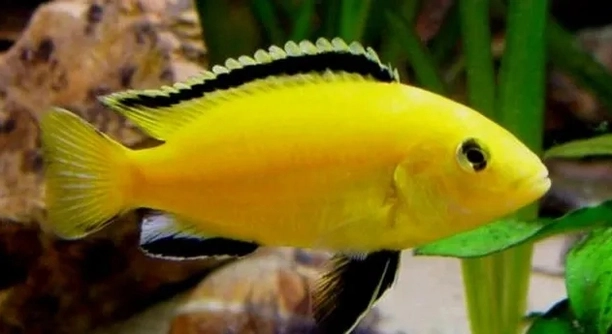
African cichlids are popular aquarium fish known for their vibrant colors and lively behavior. Many fishkeepers often consider how to create an environment that suits their natural needs. One important aspect is providing hiding spots that mimic their natural habitat.
African cichlids benefit greatly from having hiding spots in their tanks. These spaces reduce stress, encourage natural behaviors, and offer protection from aggression. Properly placed shelters help maintain a balanced environment, promoting the well-being and health of the fish.
Understanding the importance of hiding spots can improve the care and enjoyment of keeping African cichlids. The following sections explain why these spaces matter and how to create the best setup.
Why African Cichlids Need Hiding Spots
African cichlids come from rocky lakes and environments with many crevices and caves. In these natural settings, hiding spots provide safety and help establish territories. Without such spaces in an aquarium, cichlids can feel exposed and stressed, which may lead to aggressive behavior or illness. Hiding places allow them to retreat when they feel threatened or want to rest away from other fish. They also support natural behaviors like breeding and exploration. Creating a tank with rocks, caves, and plants mimics their habitat and improves their overall well-being. Providing varied hiding spots can reduce fighting and give shy fish a place to feel secure. This setup also helps keep the aquarium environment stable by lowering stress levels among the fish.
In summary, hiding spots are essential for the health and happiness of African cichlids. They offer both protection and comfort.
Adding appropriate shelters enhances the natural dynamics of the aquarium and makes caring for African cichlids easier.
Choosing the Right Hiding Spots for Your Tank
Not all hiding spots work well for African cichlids. The size and material of shelters matter.
When selecting hiding places, it is important to consider the tank’s size and the fish’s behavior. Rocks and caves made of safe materials are preferred because they resemble their natural environment. Decorations should be sturdy and avoid sharp edges to prevent injuries. Providing a mix of small caves and open shelters offers options for both dominant and shy fish. Plants, both real and artificial, add extra cover but should not block swimming areas. It’s helpful to arrange hiding spots so fish can establish territories without too much overlap. Overcrowding hiding spaces can cause stress rather than relief. Keeping these factors in mind will support a healthier, more peaceful aquarium environment for your cichlids.
The right hiding spots encourage natural behavior and reduce conflicts, which makes your aquarium more enjoyable to maintain.
Maintaining Hiding Spots in Your Aquarium
Hiding spots need regular care to remain safe and effective for your cichlids. Dirty or damaged shelters can harm the fish or encourage harmful bacteria growth.
Cleaning hiding places involves gently scrubbing rocks, caves, and decorations during routine tank maintenance. Avoid harsh chemicals or soaps that could leave harmful residues. Inspect shelters for cracks or sharp edges that could injure fish. Replace any damaged items promptly to ensure safety. Over time, algae and debris build up on surfaces, so keeping these clean improves water quality and visibility inside hiding spots. Proper maintenance also prevents unpleasant odors and helps maintain a healthy tank environment. Consistent care of hiding spots supports the health and comfort of your African cichlids, making your aquarium a more enjoyable space.
Hiding spots that are well cared for provide safe retreats, promoting peace and reducing stress. They also keep the tank looking tidy and inviting.
Regular checks and cleaning are important to avoid hazards and keep shelters functional for your fish.
Impact of Hiding Spots on Cichlid Behavior
Hiding spots influence many aspects of cichlid behavior. They help reduce aggression by giving fish places to retreat and establish territories.
Without adequate hiding places, dominant cichlids may bully weaker ones, causing stress or injury. Access to shelters allows shy or subordinate fish to avoid conflicts and feel secure. These safe zones encourage natural behaviors like breeding and exploring. Providing enough hiding spots can balance social dynamics, making the tank environment calmer. When fish feel secure, they display more natural colors and activity levels. This behavior boost leads to a healthier, more vibrant aquarium. Ignoring the need for hiding spots often results in aggressive outbreaks and stress-related health issues, so including them is key to a well-functioning cichlid community.
Creating space for all fish to find cover helps maintain harmony and promotes healthier interactions in the tank.
Types of Popular Hiding Spots
Rocks and caves are common choices for African cichlid tanks. They replicate natural shelters and help establish territories.
Plants also serve as hiding spots, offering cover and reducing stress. Both real and artificial plants can be used depending on maintenance preferences.
How to Arrange Hiding Spots Effectively
Arrange hiding spots to create separate territories and avoid overcrowding. Place shelters at different tank levels, including near the bottom and midwater. This variety allows fish to choose preferred hiding areas based on their personality and status. Avoid clustering all hiding places in one corner, as this can cause competition and stress. Space shelters so shy fish can retreat without being cornered. A well-planned layout reduces aggression and supports natural behavior. Changing the arrangement occasionally also keeps fish stimulated and engaged. Thoughtful placement of hiding spots enhances the aquarium’s balance and supports the health of all cichlids.
Signs Your Cichlids Need More Hiding Spots
If fish show constant chasing or hiding outside shelters, more hiding spots may be needed.
FAQ
Do African cichlids need hiding spots in every tank size?
Yes, hiding spots are important regardless of tank size. Even in smaller tanks, cichlids benefit from places where they can retreat and feel safe. Limited space means you should choose compact but effective shelters to avoid overcrowding while still providing security. Properly sized hiding spots help reduce stress and aggression, which is especially important in smaller environments.
How many hiding spots should I provide for my African cichlids?
The number of hiding spots depends on the number of fish and the tank size. A good rule is to offer at least one hiding place per fish, with some extra for shy or less dominant individuals. This helps each fish establish its own territory and reduces conflicts. More shelters also encourage natural exploration and reduce stress within the group.
Can any decorations serve as hiding spots?
Not all decorations are suitable. Avoid items with sharp edges or toxic materials. Rocks, caves, and aquarium-safe ornaments designed for fish tanks are best. Plants can also serve as hiding places if they are sturdy enough. Be cautious with fragile decorations, as aggressive cichlids may damage or move them, which could harm the fish or damage the tank.
Are artificial plants as effective as live plants for hiding?
Artificial plants can offer good hiding places, especially if live plants are difficult to maintain. While live plants improve water quality and add natural beauty, artificial plants are low-maintenance and durable. Both types provide cover, but live plants may encourage more natural behavior and better oxygenation. It depends on your tank setup and how much care you want to provide.
How often should hiding spots be cleaned?
Hiding spots should be cleaned regularly, usually during routine tank maintenance every 1 to 2 weeks. Cleaning prevents algae buildup and harmful bacteria growth. Use gentle scrubbing with aquarium-safe brushes and avoid chemicals. Clean hiding spots help maintain water quality and keep the fish safe. Keeping these areas clean is an important part of tank care.
What materials are safe for hiding spots?
Materials like natural rocks, smooth stones, ceramic caves, and aquarium-safe plastics are safe choices. Avoid painted decorations or those treated with chemicals not meant for aquatic use. Ensure materials do not leach harmful substances into the water. Smooth surfaces without sharp edges protect fish from injuries and make maintenance easier.
Can hiding spots reduce aggression between African cichlids?
Yes, hiding spots reduce aggression by giving fish places to escape and establish their own territories. This lowers stress and fighting, especially in community tanks with multiple males. Providing enough shelters allows shy fish to avoid dominant ones, promoting a more peaceful environment and healthier fish overall.
Will hiding spots affect breeding behavior?
Hiding spots encourage natural breeding behavior. Many cichlids use caves or crevices to lay eggs and protect their fry. Providing secure shelters supports these instincts and increases the chances of successful breeding. Without hiding places, fish may feel too exposed to reproduce or may abandon their eggs.
Can too many hiding spots cause problems?
Too many hiding spots can reduce swimming space and make tank maintenance harder. Overcrowding shelters might cause fish to feel trapped or increase territorial disputes if spaces are too close. Balance is key—enough hiding spots to reduce stress but not so many that the tank feels cluttered or cramped.
How do I know if my cichlids are stressed despite having hiding spots?
Signs of stress include faded colors, hiding excessively, loss of appetite, or aggressive behavior despite shelters. If these appear, reassess your tank setup. You might need to add or rearrange hiding spots, check water quality, or reduce the number of fish. Stress can also come from other sources like poor diet or water parameters.
Is it necessary to rearrange hiding spots periodically?
Occasional rearrangement can stimulate fish and reduce boredom. Changing hiding spots may encourage exploration and reduce fixed territorial disputes. However, sudden changes can also cause temporary stress. It’s best to rearrange gradually and observe how your cichlids respond.
Can young or juvenile cichlids benefit from hiding spots?
Absolutely. Young cichlids are more vulnerable and need hiding places to feel secure and avoid bullying from older fish. Providing plenty of small shelters helps juveniles grow safely and reduces stress during their development stages.
Are caves better hiding spots than plants for African cichlids?
Caves usually provide more secure protection, especially for territorial or breeding purposes. Plants offer cover but are less enclosed. Many cichlids prefer caves for safety and resting. Combining both gives fish options to suit their moods and behaviors.
What should I do if my cichlids keep fighting even with hiding spots?
If aggression continues, review your tank conditions. Increase hiding spots or space between shelters. Consider tank size, fish compatibility, and population density. Sometimes separating particularly aggressive fish or adjusting the mix of species helps. Aggression is natural but can be managed with proper environment setup.
How do hiding spots influence tank aesthetics?
Hiding spots add depth and interest to the aquarium. Natural rocks and plants create a pleasing, realistic environment. Well-chosen shelters blend with the tank’s design while serving a practical purpose. Balancing aesthetics and function enhances enjoyment of the aquarium.
Can I use commercial cave kits for African cichlids?
Commercial cave kits made for aquariums are usually safe and effective. Choose kits sized appropriately for your fish and tank. These kits often come with stable structures and easy installation. Always check material safety and avoid kits with sharp edges or poor quality.
Providing hiding spots for African cichlids is a key part of creating a healthy and balanced aquarium. These fish naturally come from environments filled with rocks, caves, and plants, where they use hiding places for safety and comfort. In captivity, replicating this environment helps reduce stress and aggression, which benefits both the fish and the aquarium’s overall atmosphere. Without proper hiding spots, cichlids can become stressed or aggressive, which may lead to health problems and less enjoyment in keeping them.
Choosing the right types of hiding spots is also important. Rocks and caves are excellent because they mimic the cichlids’ natural homes and provide secure shelters for resting and breeding. Plants, whether live or artificial, add extra cover and create a more natural setting. It is important to arrange these shelters thoughtfully, making sure there is enough space and variety to support each fish’s needs. Properly maintained hiding spots help keep the tank clean and safe, preventing injuries and reducing the buildup of harmful bacteria or algae.
In the end, the presence of hiding spots makes a noticeable difference in the behavior and well-being of African cichlids. Fish with access to shelters tend to be less stressed, display more natural behaviors, and have better overall health. Taking time to provide, arrange, and maintain hiding places shows care for the fish’s comfort and safety. This not only improves the aquarium’s environment but also makes caring for African cichlids more rewarding and enjoyable.

Hello,
If you enjoy the content that we create, please consider saying a "Thank You!" by leaving a tip.
Every little bit helps us continue crafting quality advice that supports the health, happiness, and well-being of pets around the world, for pets of all shapes, sizes, and species.
We really appreciate the kindness and support that you show us!