
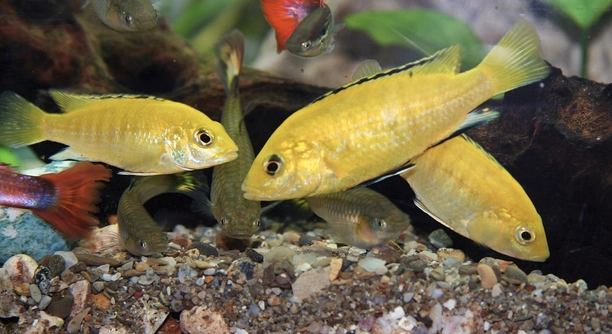
African cichlids are colorful freshwater fish often found in home aquariums. They display many interesting behaviors, especially when interacting with other fish in their environment. Observing their movements can reveal how they communicate without words.
African cichlids use a variety of body signals to communicate, including changes in color, fin displays, and specific movements. These visual signals help them establish territory, attract mates, and avoid conflicts within their social groups.
Understanding how these fish use body language can enhance how we care for them and appreciate their complex behavior. This article explores the subtle ways cichlids express themselves through movement and color.
How African Cichlids Use Color Changes
African cichlids often change their colors to send messages to other fish. When a male wants to show dominance or protect its territory, its colors become brighter and more intense. This bright display warns other fish to stay away or risk a confrontation. On the other hand, when a cichlid feels threatened or submissive, its colors might fade or darken. Color changes also play a role during mating, where males display vivid patterns to attract females. These color signals are important because cichlids live in busy environments where sound is less useful. Instead, their eyes and quick color changes help them communicate clearly without confusion. Watching these color shifts can tell a lot about their mood and intentions.
Color changes in cichlids are quick and powerful signals that guide their social interactions and reduce unnecessary fights.
By paying attention to these signals, hobbyists can better understand the social structure in their tanks. For example, noticing a cichlid’s color fade might indicate stress or submission, prompting a change in tank setup. This helps keep the fish healthier and happier. Color communication is just one part of their complex behavior, but it plays a crucial role in maintaining peace and order among cichlids.
Body Movements as Signals
Body movements in cichlids include fin displays, head shaking, and body posturing. These actions help them communicate moods and intentions without making noise.
Different movements mean different things. For example, flaring fins can be a sign of aggression or a warning to back off. Gentle swimming and slow movements might show calmness or submission. Head shaking or rapid darting could indicate excitement or nervousness. Observing these motions helps fishkeepers understand their cichlids better and react accordingly to avoid stress or fights. Movements are often combined with color changes to send clear messages that other fish quickly recognize.
These visual signals are essential for cichlids to manage social order and interact safely in crowded spaces. Recognizing and interpreting these body language cues can improve how we care for them and enrich the aquarium experience.
The Role of Territory in Communication
Territory is very important for African cichlids. They use body signals to claim and defend their space from others.
When a cichlid establishes a territory, it uses bright colors and fin displays to warn others. The fish might swim aggressively around the area to show dominance. This behavior helps avoid physical fights by making intentions clear. Territorial disputes can cause stress, so clear communication through body signals is vital for maintaining balance in the tank. The boundaries are often respected once these signs are understood by other fish.
Territorial behavior also plays a role in breeding. Males defend nesting spots with strong displays to attract females and keep rivals away. Recognizing these signs can help fishkeepers set up tanks that reduce conflict and promote natural behaviors.
Communication During Mating
During mating, African cichlids increase the intensity of their body signals. Males show brighter colors and perform specific movements to attract females. These signals help females choose healthy and strong mates. The male may also build or guard nests, using body language to protect the site from intruders. Females respond by changing their own colors or swimming patterns to show interest or rejection.
Mating communication is complex and involves many subtle signs that vary by species. Understanding these signals can improve breeding success in home aquariums and provide insight into their natural habits.
Social Hierarchy Signals
African cichlids use body signals to establish social rank. Dominant fish display brighter colors and hold their fins erect. Submissive fish show duller colors and avoid direct eye contact. These signals help maintain order and reduce conflicts within the group.
Clear communication of status allows fish to coexist peacefully. When hierarchy is respected, stress levels drop and aggressive behavior decreases.
Aggression and Warning Signs
Aggression in cichlids is often expressed through rapid fin flaring, biting motions, and intense color changes. These signals warn others to keep their distance. Such displays prevent fights by clearly showing the fish’s readiness to defend itself.
Recognizing these signs early helps manage tank dynamics and prevent injury.
Environmental Influence on Signals
The environment affects how well cichlids communicate. Clear water and proper lighting enhance the visibility of color and body movements. Poor conditions can make signals harder to see, leading to misunderstandings and more aggression.
Maintaining good tank conditions supports healthier social interactions among cichlids.
FAQ
How do African cichlids show they are stressed?
Stressed cichlids often show dull or faded colors and may hide more than usual. They might also swim erratically or lose appetite. Sometimes, they flare fins less and avoid other fish. These signs mean the fish is uncomfortable and may need changes in its environment or tank mates.
Can body signals help prevent fights between cichlids?
Yes, body signals like color changes and fin displays are key in preventing fights. By showing dominance or submission visually, cichlids communicate their intentions clearly. This helps reduce physical clashes, which can cause injury. Recognizing these signals lets fish avoid unnecessary conflict.
Do all African cichlid species use the same body signals?
While many species share similar signals like color change and fin displays, the exact patterns and intensity can vary. Some species have unique movements or colors they use for specific messages. Understanding the species in your tank helps you better interpret their signals.
How can I tell if my cichlid is ready to mate?
Males ready to mate often show their brightest colors and display more active fin movements. They might build or guard a nest area. Females may respond by swimming close and showing softer colors or particular swimming patterns. These behaviors indicate readiness for breeding.
Why do cichlids change colors suddenly?
Color changes happen for many reasons, such as mood, health, or communication. Bright colors can show aggression, excitement, or courtship, while dull colors often signal stress or submission. Sudden shifts usually mean the fish is reacting to something in its environment or social group.
How important is lighting for cichlid communication?
Lighting is very important because it affects how clearly colors and movements are seen. Good lighting helps cichlids express themselves and read signals from others. Dim or poor lighting can cause confusion and increase stress or aggression.
What body signals mean a cichlid is dominant?
Dominant cichlids usually have bright, vivid colors and hold their fins fully spread. They swim confidently and may chase or block other fish. These signals tell others to respect their status and avoid challenges.
Can body language tell if a cichlid is sick?
Yes, changes in usual body signals can indicate illness. A sick cichlid might lose color vibrancy, hide often, and move less. It might also show abnormal fin positions or breathing. Watching for these signs helps catch health problems early.
How do cichlids communicate in crowded tanks?
In crowded tanks, clear and strong body signals are even more important. Cichlids use bright colors, fin flaring, and specific movements to claim space and avoid fights. If signals are misunderstood, aggression can increase. Proper tank size and hiding spots help ease tensions.
Is it normal for cichlids to ignore some signals?
Sometimes fish may ignore or not respond to signals, especially if stressed, sick, or distracted. Juveniles may also take time to learn the social cues. This can lead to accidental conflicts. Observing your fish closely helps you understand when behavior is usual or needs attention.
How can I encourage healthy communication between cichlids?
Providing a well-maintained tank with enough space, good lighting, and hiding places supports healthy communication. Avoid overcrowding and introduce fish gradually. Knowing each species’ behavior helps you arrange compatible groups, reducing stress and aggression.
Are body signals the only way cichlids communicate?
While body language is the primary method, cichlids also use sounds and chemical signals to communicate. However, visual signals like color changes and movements are the most noticeable and studied ways they interact in aquariums.
These questions cover many common concerns and help understand how African cichlids use body signals to communicate. Watching closely and learning their behavior can improve their care and tank harmony.
African cichlids are fascinating fish that communicate mostly through body signals. Their bright colors, fin movements, and specific behaviors all send important messages to others in their environment. These signals help them manage social order, defend territories, attract mates, and avoid fights. Understanding how cichlids use these visual cues gives us a better look into their natural behaviors and needs. It also helps fishkeepers provide an environment that supports their well-being and reduces stress.
When watching African cichlids, it becomes clear that their communication is complex but purposeful. Each change in color or movement means something different depending on the situation. For example, bright colors can mean dominance or readiness to mate, while dull colors often signal submission or stress. Fin displays and body postures add another layer of meaning, helping to prevent conflicts and establish a clear social structure. These signals work together to keep the group balanced and peaceful, especially in the limited space of an aquarium.
Knowing how to interpret these signals is valuable for anyone keeping cichlids. Paying attention to their body language can help identify if a fish is stressed, sick, or feeling threatened. It also aids in setting up the tank correctly, choosing compatible tank mates, and creating enough space for territories. The more you learn about their communication, the more you can support their natural behavior and improve their health. Overall, understanding cichlid body signals enriches the experience of keeping these beautiful and intelligent fish.

Hello,
If you enjoy the content that we create, please consider saying a "Thank You!" by leaving a tip.
Every little bit helps us continue crafting quality advice that supports the health, happiness, and well-being of pets around the world, for pets of all shapes, sizes, and species.
We really appreciate the kindness and support that you show us!