
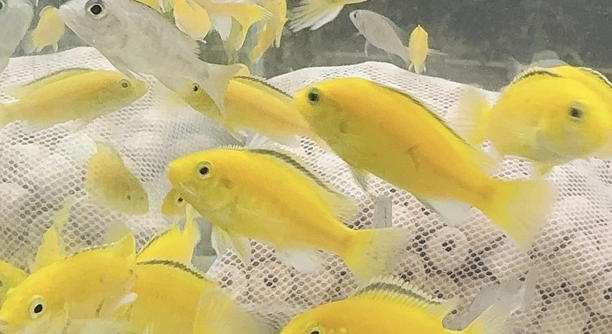
African cichlids are popular aquarium fish known for their vibrant colors and active behavior. Many fishkeepers enjoy watching their patterns and hues during the day. However, some wonder if these colors change when the fish rest at night.
African cichlids do change color at night, but the shifts are usually subtle. These changes often involve darkening or dulling of their colors, which helps with camouflage and energy conservation. The changes are controlled by hormonal and environmental factors.
Understanding how and why cichlids change color can improve how you care for them. This knowledge also deepens appreciation for their natural behavior and biology.
Why African Cichlids Change Color at Night
African cichlids change color at night mainly to protect themselves. During the day, their bright colors help them attract mates and show dominance. But at night, those vivid colors can make them more visible to predators. To avoid this, their bodies reduce the intensity of their colors. This color change is caused by special cells called chromatophores that adjust how much pigment is shown. The fish also respond to changes in light and their internal biological clock. This natural adaptation helps them stay safer while resting. It also allows them to save energy since maintaining bright colors can be demanding. So, the night color change is a smart way for cichlids to balance safety and energy use.
Color changes are subtle and often hard to notice unless you watch closely in low light.
This ability to change color reflects how well cichlids have adapted to their environment. It also shows the link between their behavior and physical traits, which is fascinating to observe in any home aquarium.
How Light and Environment Affect Color Change
Light plays a big role in triggering color changes in African cichlids. When the aquarium lights go off, the fish start to darken their colors. This reaction happens quickly and prepares them for nighttime rest. The environment also matters—if the tank is bright or noisy at night, color changes might be less noticeable. Temperature and stress levels can affect the intensity of these shifts too. If a fish feels threatened, it might keep dull colors longer to avoid attention. Observing these changes gives insight into how healthy and comfortable the fish are in their tank.
Understanding the role of light and environment can help you create a better habitat for your cichlids.
Controlling light cycles and keeping the tank peaceful at night can support your fish’s natural rhythms. This helps them stay healthy and reduces stress, allowing their colors to shine brightly when it’s daytime again. Watching their color changes become part of daily care, offering a small but meaningful way to connect with your fish.
Common Misconceptions About Color Changes
Many people think African cichlids change color only because of stress or illness. While these factors can cause color shifts, natural nighttime darkening is normal. Not every dull color means something is wrong with the fish.
Color changes due to stress are usually more sudden and extreme. Stress may cause pale or blotchy colors, unlike the smooth, gradual darkening at night. Illness often comes with other signs like loss of appetite or unusual behavior. It’s important to observe your fish’s overall health to tell the difference between normal and problematic changes. Knowing these details can prevent unnecessary worry and help you focus on proper care.
If you notice sudden color changes during the day, check water quality, diet, and tank conditions. Sometimes small adjustments can restore your fish’s normal colors and health.
Tips for Watching Your Cichlids’ Colors
Observe your cichlids in different lighting to see their natural color range. Use a consistent light schedule to help their internal clock stay regular. Dim the lights gradually at night to support smooth color transitions. Avoid sudden flashes or bright lights during their resting period. Keep tank water clean and stable, as poor conditions can affect color vibrancy. Providing hiding spots and a calm environment reduces stress, which helps maintain healthy colors. Taking these steps makes it easier to appreciate your fish’s natural behavior and appearance. Regular observation also helps catch early signs of health issues, keeping your cichlids vibrant and happy over time.
How Stress Affects Color in African Cichlids
Stress can cause African cichlids to lose their bright colors quickly. This change often happens when fish feel threatened or uncomfortable. It’s a natural response to help them avoid predators or danger.
Long-term stress may lead to dull or faded colors. It’s important to spot signs early to keep your fish healthy and vibrant.
Feeding and Color Vibrancy
A balanced diet rich in nutrients helps maintain vivid colors in African cichlids. Foods high in carotenoids, such as shrimp or specially formulated flakes, support pigmentation. Poor nutrition can cause colors to fade and affect overall health. Feeding your fish a varied diet keeps them strong and visually stunning throughout the day.
Common Color Variations
African cichlids naturally show different color patterns based on species, age, and mood. Some species have bright spots or stripes that may become less visible at night. These variations are normal and reflect their unique genetics and environment.
Watching Color Changes Safely
Use soft lighting to observe your fish’s color changes without causing stress. Avoid handling or disturbing them during nighttime when colors are less vibrant.
FAQ
Do African cichlids change color only at night?
African cichlids mainly change color at night to blend in and rest safely. However, their colors can also shift during the day due to mood, social interactions, or stress. Nighttime color changes are usually darker and more subtle compared to daytime variations.
Why do my cichlids look dull sometimes?
Dull colors can happen for many reasons. At night, this is natural and helps the fish stay hidden. During the day, dullness might be a sign of stress, poor water quality, or illness. Make sure the tank conditions are good and that the fish are eating well.
Can stress cause permanent color changes in cichlids?
Stress can cause temporary color fading, but it usually doesn’t lead to permanent changes if addressed quickly. Prolonged stress can weaken their immune system and affect overall health, so maintaining a calm environment is key to keeping colors bright.
How can I help my cichlids keep their colors vibrant?
Feeding a balanced diet rich in natural pigments is very important. Foods containing carotenoids, such as krill or shrimp flakes, help maintain bright colors. Regular water changes and stable tank conditions also support good health and color.
Are color changes a sign of illness?
Color changes alone are not always signs of illness. However, if fading is sudden and paired with other symptoms like lethargy, loss of appetite, or abnormal swimming, it could indicate a health problem. Monitoring their behavior closely is important for early detection.
Do all species of African cichlids change color the same way?
No, different species have different color patterns and may change color differently. Some show strong nighttime darkening, while others only show minor shifts. Knowing the specific species helps understand their natural color behavior better.
Is it normal for cichlids to become pale during breeding?
Yes, some cichlids change color during breeding to signal readiness or to protect eggs. This pale or dull appearance is temporary and part of their reproductive behavior. After breeding, their colors usually return to normal.
How long does the color change at night last?
Color changes at night generally last as long as the fish are resting in low light conditions. Once lights turn back on and the fish become active, their colors brighten again within minutes to hours, depending on the individual.
Can lighting affect how my cichlids’ colors appear?
Lighting has a big impact on color visibility. Bright, natural-spectrum lights enhance colors during the day. At night, dim or no lighting triggers color darkening. Using a timer to control light cycles helps fish maintain their natural rhythms and healthy color patterns.
What should I do if my cichlid’s color doesn’t return after night?
If your fish remains dull during the day, check water quality, diet, and stress factors. Sometimes illness or poor conditions cause prolonged color fading. Addressing these issues quickly will help your cichlid regain its normal vibrant colors.
Do African cichlids change color when fighting?
Yes, during fights or territorial displays, cichlids may show intensified or altered colors to appear more dominant or aggressive. These changes are temporary and part of their natural social behavior.
Can changing the tank environment affect their color?
Yes, moving decorations, changing substrate, or altering lighting can stress fish and cause color shifts. Keeping the environment stable and familiar helps cichlids feel secure and maintain their colors.
Is it normal for young cichlids to have different colors than adults?
Young cichlids often have duller or different color patterns than adults. As they grow and mature, their colors usually become brighter and more defined. This is a normal part of their development.
How often should I monitor my cichlids’ colors?
Regular daily observation is ideal to notice any changes early. Watching them during different times of day can also help you understand their natural color patterns and detect any unusual fading or stress signs.
Does temperature affect color changes?
Temperature can influence color intensity. Cooler water may dull colors, while warmer, stable temperatures tend to enhance vibrancy. Sudden temperature changes can stress fish and cause temporary color fading.
Can color changes help identify the mood of my cichlids?
Yes, color intensity and patterns often reflect mood. Bright, bold colors usually mean the fish is healthy and confident. Pale or darkened colors can indicate stress, fear, or submission. Paying attention to these signs helps understand your fish better.
African cichlids are fascinating fish because of their ability to change colors, especially at night. This natural behavior helps them stay safe by blending into their surroundings when they rest. Their colors darken gently and slowly, which is very different from sudden changes caused by stress or illness. Understanding this difference can help fishkeepers feel more confident about what they see in their tanks. Watching these subtle color shifts can also make caring for cichlids more interesting and enjoyable.
Maintaining good tank conditions is very important for keeping African cichlids healthy and colorful. Clean water, proper lighting, and a balanced diet all play a role in supporting their natural color patterns. Stress can make their colors fade, so a calm and stable environment is key. Providing hiding spots and avoiding sudden changes in the tank can reduce stress and help your fish feel secure. When cichlids are healthy and comfortable, their vibrant colors will be easier to see during the day, and their nighttime color changes will look natural.
Knowing that color changes are a normal part of cichlid life helps set the right expectations for their care. It’s also useful to watch for other signs of health or stress, like changes in behavior or appetite. Taking time to learn about your fish’s needs and habits will make a positive difference in their well-being. Overall, appreciating these gentle nighttime color shifts can deepen your connection with your fish and improve your experience as a keeper.

Hello,
If you enjoy the content that we create, please consider saying a "Thank You!" by leaving a tip.
Every little bit helps us continue crafting quality advice that supports the health, happiness, and well-being of pets around the world, for pets of all shapes, sizes, and species.
We really appreciate the kindness and support that you show us!