7 Things Zebra Danios Do When the Lights Go Off
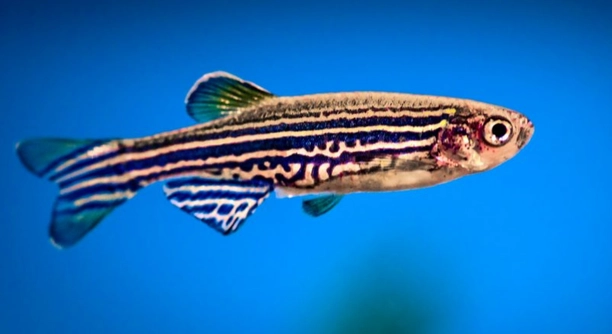
Zebra Danios are active and curious fish, but their behavior can change once the lights go off. Understanding how they react in the dark can help you provide better care for them. When the lights go off, Zebra Danios typically become less active, retreating to darker areas of the tank. They may also exhibit heightened … Read more
Why Did Your Zebra Danio Disappear? (7 Possible Reasons)

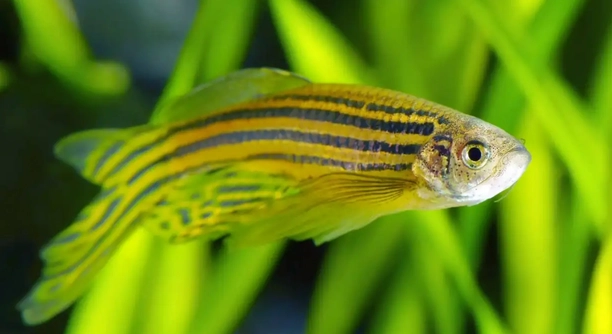
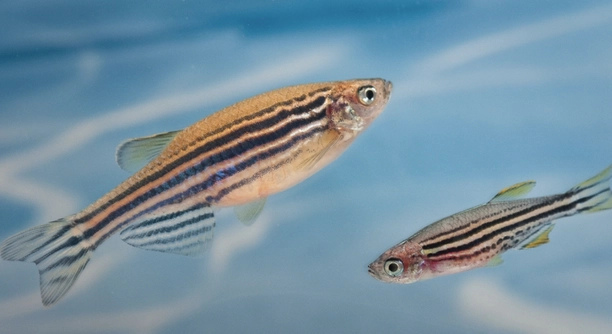
Zebra Danios are known for their active and playful nature, but it can be concerning when one disappears. Understanding the possible causes of this behavior can help in addressing the issue and preventing future occurrences. The disappearance of a zebra danio can result from various factors, including stress, poor water quality, or predation by other … Read more

7 Strange Things Zebra Danios Do Before Sleeping

Zebra Danios, small and active fish, have unique behaviors before they sleep. These quirky actions may seem strange but reveal fascinating aspects of their routine. Understanding these behaviors can help you provide a better environment for them. Zebra Danios often engage in peculiar movements like darting in and out of hiding spots before they sleep. … Read more

Why Your Zebra Danio Is Suddenly Avoiding the Light

Zebra Danios are lively and social fish, often seen swimming energetically in aquariums. However, if your zebra danio suddenly avoids the light, it may signal a deeper concern that needs attention. The main reason a zebra danio avoids light is stress. Factors such as changes in water quality, tank mates, or sudden environmental shifts can … Read more

Can Zebra Danios Learn From Other Fish?

Zebra Danios are fascinating fish that are commonly kept in aquariums. They are known for their playful behavior and adaptability, but can they actually learn from other fish in their environment? Let’s explore this topic further. Research indicates that Zebra Danios can indeed learn from observing other fish. This behavior, known as social learning, allows … Read more

How to Make a Zebra Danio-Friendly Tank Setup

Creating a comfortable and healthy environment for your Zebra Danio fish is essential for their well-being. Understanding their needs is the first step in setting up an ideal tank that will help them thrive. To create a Zebra Danio-friendly tank setup, ensure it has appropriate water conditions, space, and suitable tankmates. Use a filter to … Read more

7 Reasons Zebra Danios Swim Alone Suddenly

Zebra Danios are social fish, often seen swimming in groups. However, there are times when these usually active swimmers choose to swim alone. Understanding why this happens can help you care for them better. Zebra Danios may swim alone suddenly due to stress, illness, or environmental changes. These factors can disrupt their usual behavior and … Read more

Can You Tell Zebra Danios Apart by Stripes?

Zebra Danios are popular aquarium fish, known for their lively nature and striking stripes. Many fish enthusiasts wonder if these stripes can help identify individual Danios. Understanding their patterns could offer insights into their unique characteristics. Zebra Danios, while marked with horizontal stripes, do not show distinct variations in stripe patterns that would allow easy … Read more

Why Your Zebra Danio Swims Nonstop in Circles

Zebra Danios are lively little fish, often seen darting around their tanks. You might notice them swimming in circles, but what causes this nonstop movement? Understanding the reasons behind their behavior can help you ensure they thrive in their environment. Zebra Danios swim in circles primarily due to their natural energetic behavior. This species is … Read more

7 Signs Your Zebra Danios Are Adjusting Well

Are your Zebra Danios swimming calmly and showing interest in their surroundings after being introduced to a new tank environment? Zebra Danios that are adjusting well typically display active swimming, consistent eating habits, vibrant coloration, and positive interactions with tank mates. These behaviors suggest reduced stress levels and a successful acclimation to their new habitat. … Read more