7 Ways to Help a Zebra Danio Settle In

When you first bring a Zebra Danio home, it’s important to know how to help them feel at ease in their new environment. These small fish are active and easy to care for, but settling in properly is key. To help your Zebra Danio settle in, ensure the tank conditions are stable and the water … Read more
Do Zebra Danios Form Friendships in the Tank?

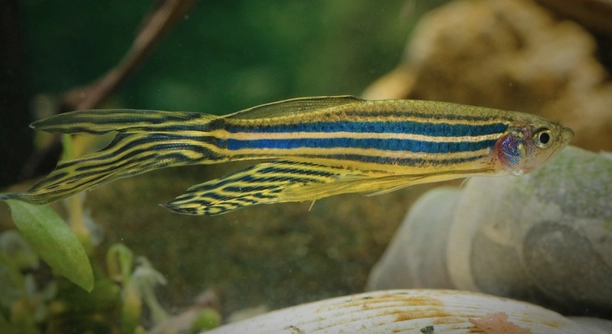
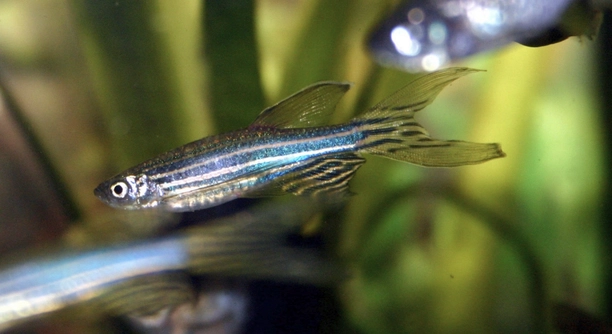
Have you ever watched your zebra danios swim together and wondered if there’s more to their behavior than just instinct? These little fish seem to move in unison, almost like they know each other. Zebra danios do not form friendships in the way humans do, but they are social creatures that display shoaling behavior, meaning … Read more

7 Ways Zebra Danios React to Temperature Swings

Zebra Danios are small, active fish that are known for their resilience in various environments. However, changes in temperature can affect their health and behavior. Understanding how they respond to these fluctuations is important for any aquarium owner. Zebra Danios react to temperature swings by adjusting their metabolic rates, activity levels, and even swimming patterns. … Read more

7 Reasons Zebra Danios Prefer Fast-Flowing Water

Zebra Danios are popular aquarium fish known for their lively nature. One of their key preferences is fast-flowing water, which mimics their natural habitat and promotes healthy behavior. Understanding why they favor this environment can enhance your aquarium setup. Zebra Danios thrive in fast-moving water because it supports their active swimming behavior and provides environmental … Read more

Do Zebra Danios Have Individual Preferences?

Zebra Danios are popular aquarium fish known for their playful behavior and distinctive stripes. Many fish enthusiasts enjoy observing their interactions, but are there certain preferences that make them unique? Let’s explore their potential individualities. Zebra Danios do exhibit individual preferences, including different activity levels, feeding habits, and interaction styles. While they are social creatures, … Read more

Why Zebra Danios Might Split Into Smaller Groups

Have you ever noticed your zebra danios acting differently, suddenly scattering and forming smaller groups instead of swimming as one? This change in behavior might seem subtle, but it can reveal important details about their environment and interactions. Zebra danios often split into smaller groups due to social hierarchy, environmental stress, or incompatible tank mates. … Read more

7 Fixes for Zebra Danios That Refuse to Eat Flakes

Zebra Danios are popular aquarium fish, but sometimes they can refuse to eat flakes. This can be frustrating for any aquarium owner. If you’re struggling with a finicky Zebra Danio, don’t worry—there are simple fixes that can help. There are several reasons why Zebra Danios may refuse to eat flakes, including water quality, tank mates, … Read more

Why Zebra Danios Might Sleep in a Vertical Position

Have you ever noticed your zebra danios resting in an unusual upright position and wondered if it’s something to worry about? This behavior can seem odd, especially for fish that are typically active and quick-moving. Zebra danios might sleep in a vertical position due to reduced muscle control and lowered awareness during rest. This posture … Read more

Why Is My Zebra Danio Staying Still?

Is your zebra danio staying still more often than usual? This behavior can be concerning, but it is important to understand the various factors that could cause it. Your fish’s inactivity may be due to several reasons. Zebra danios may stay still due to water quality issues, stress, or illness. Poor water conditions, such as … Read more

Why Your Zebra Danio Keeps Headbutting the Glass

Zebra Danios are lively, curious fish that can sometimes exhibit strange behaviors. One of these behaviors is headbutting the glass of their aquarium. This odd action may leave you wondering what’s causing it and how to address it. Zebra Danios often headbutt the glass due to stress, environmental factors, or curiosity. They may be responding … Read more