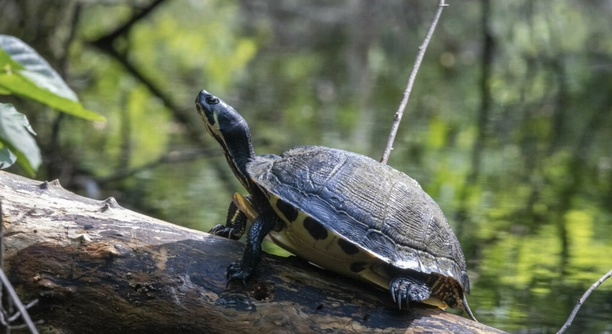
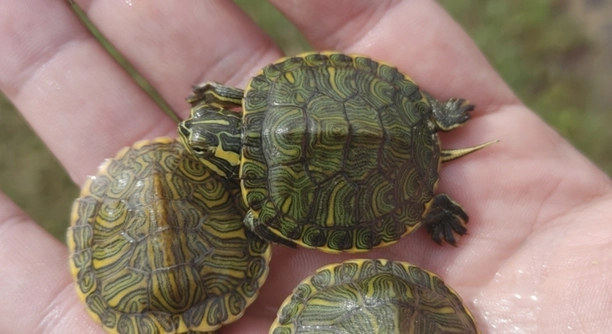
7 Common Behavioral Issues in Yellow-Bellied Sliders (+Solutions)
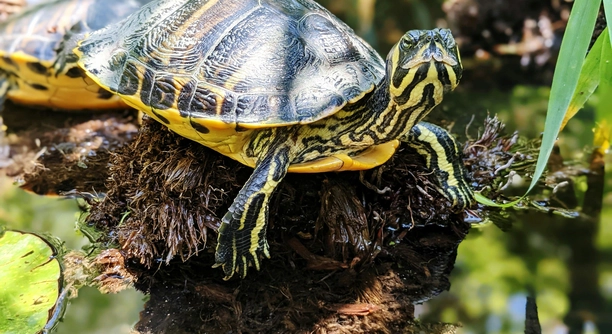
Yellow-bellied sliders are popular aquatic turtles known for their calm demeanor, but they can sometimes display problematic behaviors. Addressing these issues promptly is essential for their health and well-being, ensuring they thrive in captivity. Common behavioral problems in yellow-bellied sliders include aggression, poor appetite, lethargy, and excessive basking. These behaviors can be managed with appropriate … Read more
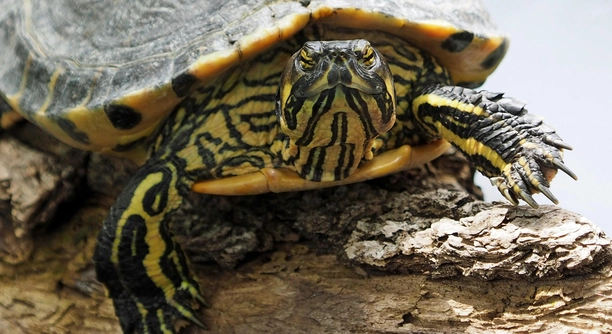

Can Yellow-Bellied Sliders Recognize Their Owners?

Yellow-bellied sliders are common pets, known for their colorful appearance and active behavior. As with many pets, owners may wonder if these turtles are capable of recognizing them on a personal level. Yellow-bellied sliders are capable of recognizing their owners. Through visual and auditory cues, they can associate their caretakers with food, care, and positive … Read more

7 Best Practices for Keeping Yellow-Bellied Sliders Healthy

Yellow-bellied sliders are a popular choice for pet owners. These active and friendly turtles require proper care to thrive in captivity. By understanding their needs, you can ensure they live a long, healthy life with you. To keep yellow-bellied sliders healthy, providing a balanced diet, clean water, proper basking spots, and regular check-ups is essential. … Read more

How to Observe Breeding Behavior in Yellow-Bellied Sliders

Yellow-bellied sliders are a fascinating species, often admired for their vibrant colors and unique behavior. One aspect of their behavior that intrigues many is how they breed. Observing this can be both exciting and educational. To observe breeding behavior in yellow-bellied sliders, focus on specific signs such as courtship displays, nesting behaviors, and mating rituals. … Read more

Can Yellow-Bellied Sliders Eat Grapes?

Yellow-bellied sliders are common pet turtles that enjoy a variety of foods. As their owner, you might wonder what treats are safe for them. One such treat that might cross your mind is grapes. Yellow-bellied sliders can eat grapes, but they should only be given in moderation. Grapes are high in sugar, which can cause … Read more

7 Common Causes of Discomfort in Yellow-Bellied Sliders

Yellow-bellied sliders are beloved reptiles, but like any pet, they can sometimes show signs of discomfort. Understanding what might be troubling them is essential to providing the best care possible for these aquatic creatures. There are several common causes of discomfort in yellow-bellied sliders, including poor water quality, improper basking conditions, stress, inappropriate diet, injuries, … Read more

Why Is My Yellow-Bellied Slider Avoiding Its Tank Heater?

Is your yellow-bellied slider avoiding its tank heater? This behavior may leave you concerned, especially if you’re trying to ensure your pet’s comfort. Understanding why this happens can help you address the issue and keep your turtle happy. The main reason your yellow-bellied slider avoids its tank heater could be due to water temperature fluctuations … Read more

How to Prevent Mold Growth in Yellow-Bellied Slider Tanks (7 Tips)

Mold growth in yellow-bellied slider tanks is a common concern for turtle owners. It can affect the health of your pet and create an unpleasant environment. Proper care and maintenance are essential for a clean tank. To prevent mold in your yellow-bellied slider tank, keep the water clean, maintain proper filtration, and ensure regular tank … Read more

Can Yellow-Bellied Sliders Eat Cauliflower?

Yellow-bellied sliders are popular pets among reptile enthusiasts. Their diet often includes a variety of vegetables and plants. Cauliflower is a commonly asked about vegetable when it comes to feeding these turtles. Yellow-bellied sliders can eat cauliflower in moderation. It provides some nutritional value, but it should not be a primary food source. The vegetable … Read more

7 Methods to Keep Yellow-Bellied Slider Hatchlings Safe

Yellow-bellied slider hatchlings are vulnerable in their early stages of life. Their safety requires careful attention to their environment and specific care practices. Proper precautions can ensure they thrive as they grow. To keep yellow-bellied slider hatchlings safe, provide a secure habitat with proper water temperature, UV lighting, and a clean environment. Ensure they have … Read more