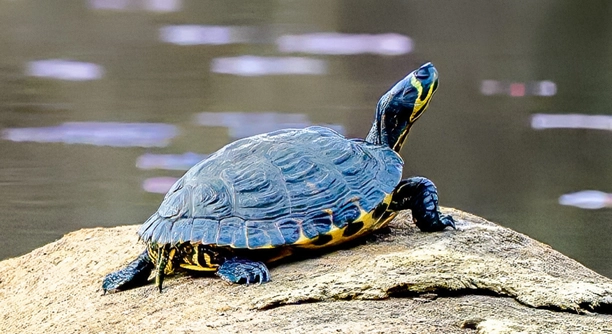
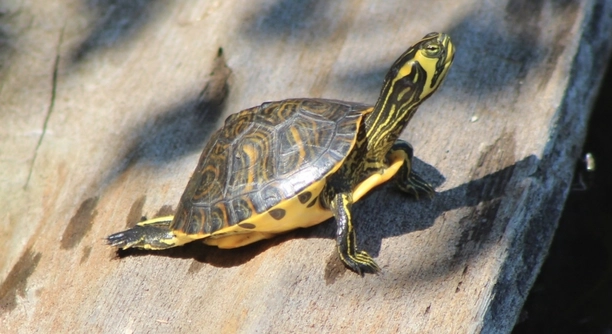
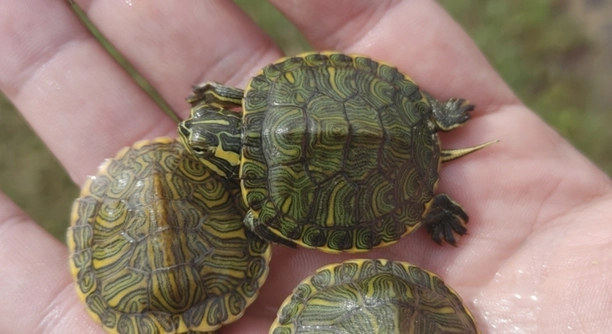
Can Yellow-Bellied Sliders Eat Turnip Greens?
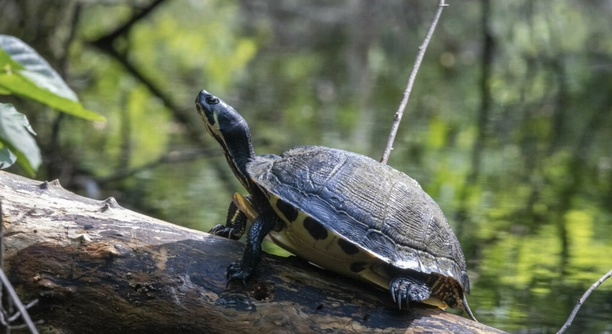
Yellow-bellied sliders are popular aquatic turtles that require a balanced diet to stay healthy. Knowing what foods are safe for them is essential to ensure they thrive in captivity. One common food option to consider is turnip greens. Yellow-bellied sliders can eat turnip greens in moderation. These leafy vegetables are safe and nutritious, providing essential … Read more
7 Easy DIY Projects for Yellow-Bellied Slider Tank Decor

Have you ever found yourself wanting to make your yellow-bellied slider’s tank more exciting and personalized? Creating a unique and engaging habitat for your turtle can be simple and rewarding. By using easy DIY methods, you can design decor that meets your turtle’s needs while enhancing the tank’s overall look. These fun and straightforward ideas … Read more

Why Is My Yellow-Bellied Slider Tank Cloudy?

Is your yellow-bellied slider’s tank looking cloudy and less inviting than usual? Cloudy water can affect both the health of your turtle and the aesthetic of their home. Let’s explore what could be causing the problem. Cloudy water in a yellow-bellied slider tank is typically caused by poor filtration, overfeeding, or the buildup of waste … Read more

Can Yellow-Bellied Sliders Eat Plums?

Yellow-Bellied Sliders are commonly kept as pets, and owners often wonder what fruits are safe for them to eat. Understanding their dietary needs helps in keeping them healthy and happy. This article discusses if plums can be part of their diet. Yellow-Bellied Sliders can eat plums in moderation, as long as the pit and skin … Read more

7 Best UVB Lights for Yellow-Bellied Slider Tanks

UVB lighting is crucial for Yellow-Bellied Sliders to thrive. The right light ensures they receive the necessary UVB rays for calcium absorption, promoting healthy shell and bone development. Choosing the correct UVB light is key for their overall well-being. The best UVB lights for Yellow-Bellied Slider tanks provide consistent, high-quality UVB output to support their … Read more

How to Identify Injuries on Yellow-Bellied Slider Shells

Yellow-bellied sliders are popular aquatic pets, and their shells need regular care. Identifying injuries on their shells early can prevent long-term health issues. It’s important to monitor your turtle’s shell closely to ensure their well-being. Identifying injuries on a yellow-bellied slider’s shell involves looking for cracks, soft spots, or discoloration. A healthy shell should be … Read more

Can Yellow-Bellied Sliders Eat Earthworms?

Yellow-bellied sliders are a popular type of pet turtle. Many owners wonder what types of food are suitable for them. Earthworms might be an appealing option for feeding your slider, but is it safe and healthy? Yellow-bellied sliders can eat earthworms as part of their diet. Earthworms provide essential nutrients like protein and fat, which … Read more

7 Ways to Tell If Your Yellow-Bellied Slider Is Happy

Yellow-Bellied Sliders are active, social turtles that require proper care to stay healthy and happy. Observing their behavior and habits can help determine if they are thriving in their environment. The simplest way to tell if your Yellow-Bellied Slider is happy is by monitoring its activity and behavior. Active swimming, basking, and healthy eating habits … Read more

Why Does My Yellow-Bellied Slider Keep Flipping Over?

Is your yellow-bellied slider flipping over frequently, leaving you worried about its safety and well-being? Understanding the cause is essential to address the issue effectively and ensure your pet’s health and happiness. The most common reason your yellow-bellied slider keeps flipping over is due to improper tank setup. Factors like uneven surfaces, overcrowded conditions, or … Read more

How to Prevent Shell Rot in Yellow-Bellied Sliders (7 Tips)

Yellow-bellied sliders are vibrant aquatic turtles that require proper care to thrive. Shell rot is a common condition that can cause discomfort and serious health problems if not prevented through attentive care and proactive measures. Preventing shell rot involves maintaining a clean habitat, ensuring proper UVB lighting, and providing a balanced diet. Regular inspections of … Read more