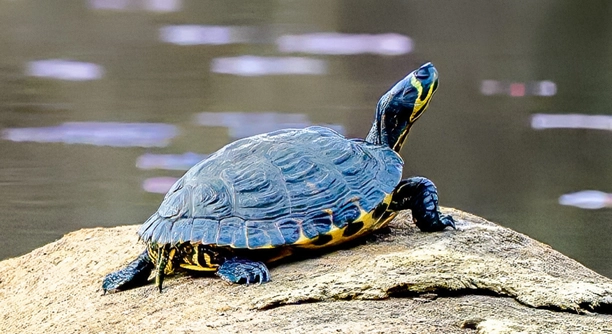
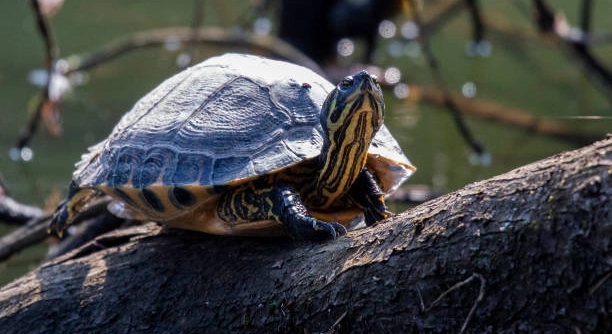
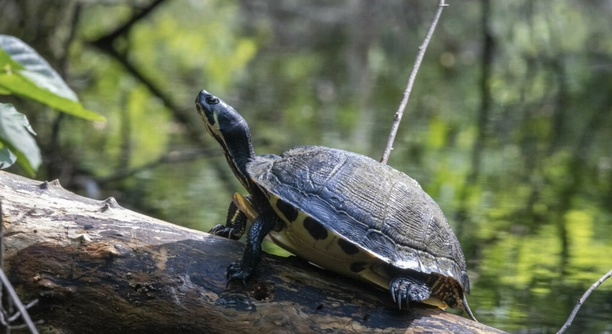
7 Creative Ideas for Hiding Tank Equipment in Yellow-Bellied Slider Enclosures

Creating a comfortable environment for your yellow-bellied slider involves more than just providing water and basking areas. Tank equipment can sometimes disrupt the aesthetic and functionality of the enclosure. Clever solutions can help balance the needs of your turtle and its habitat. To maintain an optimal environment while concealing tank equipment, use natural elements such … Read more
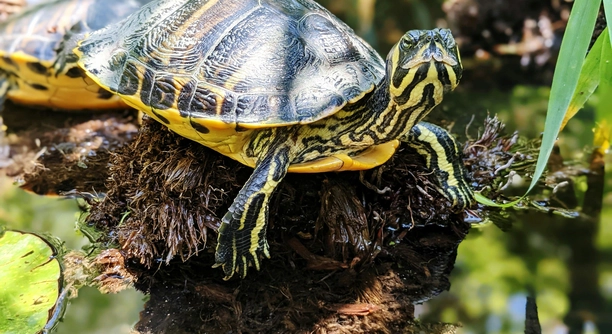
Why Is My Yellow-Bellied Slider Avoiding Its Favorite Foods?

Yellow-Bellied Sliders are known for their love of certain foods. However, if your turtle is suddenly avoiding these favorites, it can be concerning. Understanding the reasons behind this change can help address the issue quickly. Changes in appetite may stem from various factors, including stress, water temperature, or health issues. A decrease in activity, unfamiliar … Read more

Can Yellow-Bellied Sliders Eat Pine Nuts?

Yellow-bellied sliders are popular pets known for their bright appearance and calm demeanor. As with any pet, it’s important to know what they can and can’t eat to keep them healthy. Yellow-bellied sliders can eat pine nuts in small amounts, but they should not be a regular part of their diet. Pine nuts are high … Read more

7 Safe Alternatives to Gravel for Yellow-Bellied Slider Tanks

Many turtle owners may not realize that gravel, though common, may not be the safest substrate for their Yellow-Bellied Sliders. Choosing the right material for your turtle’s tank is important for their health and well-being. There are several safe alternatives to gravel for Yellow-Bellied Slider tanks, such as sand, reptile-safe soil, river rock, aquarium-safe pebbles, … Read more

Why Does My Yellow-Bellied Slider Keep Shaking Its Head?

Yellow-Bellied Sliders are fascinating pets with unique behaviors. Observing them closely can raise concerns, especially when your turtle starts shaking its head. This behavior can be puzzling for pet owners and might indicate something more than just quirky movement. Head shaking in Yellow-Bellied Sliders can be a sign of multiple issues, including respiratory infections, irritation, … Read more

How to Spot Mating Behavior in Yellow-Bellied Sliders (7 Signs)

Yellow-bellied sliders are fascinating creatures, and understanding their behavior can be quite rewarding. One key aspect of their behavior is mating, which can be spotted through various signs. Knowing how to identify these signals helps in observing their natural instincts. Yellow-bellied sliders display mating behavior through specific actions, such as circling, head bobbing, and claw … Read more

Can Yellow-Bellied Sliders Eat Parsley?

Yellow-bellied sliders are common pet turtles, known for their playful behavior and unique diets. Understanding what foods they can eat is important to their health. One common question is whether parsley is safe for them. Yellow-bellied sliders can eat parsley in moderation. While it is not toxic to them, it should not be a regular … Read more

7 Effective Ways to Reduce Tank Odors for Yellow-Bellied Sliders

Yellow-bellied sliders are popular pet turtles, but managing their tank environment can sometimes be tricky, especially when unpleasant odors develop. These smells can be frustrating, but with a few simple solutions, you can create a healthier habitat for your pet. Reducing tank odors for yellow-bellied sliders involves proper tank maintenance, regular cleaning, filtration, and managing … Read more

Why Does My Yellow-Bellied Slider Always Dig in the Substrate?

Yellow-bellied sliders are fascinating creatures, often seen exploring their environments. One curious behavior many owners observe is their constant digging in the substrate. This article will explore why this action occurs and what it means for your pet. The behavior of digging in the substrate is natural for yellow-bellied sliders and is often linked to … Read more

Can Yellow-Bellied Sliders Eat Cilantro?

Yellow-bellied sliders are popular pet turtles known for their active behavior and interesting dietary needs. Their food preferences often include leafy greens, but some vegetables may be better for them than others. Yellow-bellied sliders can eat cilantro in moderation. While it is not toxic to them, it should not make up a large portion of … Read more