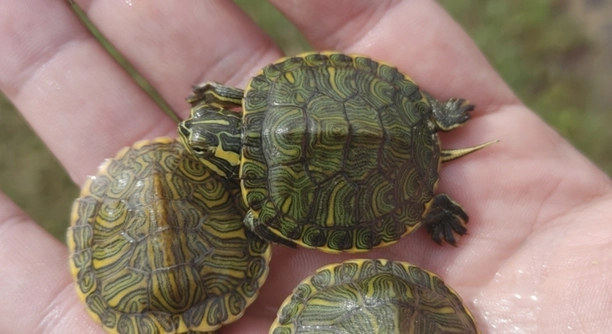
7 Common Yellow-Bellied Slider Feeding Mistakes
Feeding your yellow-bellied slider properly is essential for its health and well-being. However, common mistakes can hinder its growth and happiness. This article will help you understand what to avoid when feeding your turtle. The most common feeding mistakes with yellow-bellied sliders include overfeeding, offering improper food types, and not considering their nutritional needs. These … Read more

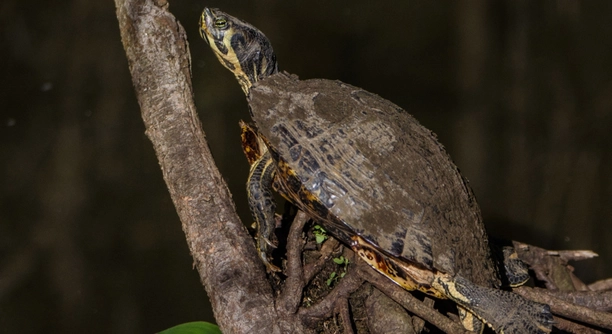
Why Is My Yellow-Bellied Slider Swimming Frantically?

Yellow-bellied sliders are known for their friendly, calm nature, but sometimes they can display frantic swimming behavior. Understanding the reasons behind this unusual activity can help you better care for your pet and ease any worries. The frantic swimming of a yellow-bellied slider can be caused by several factors, including stress, changes in water conditions, … Read more

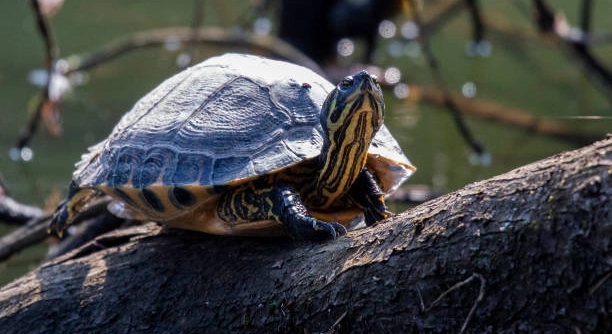
How to Choose the Right UVB Light for Yellow-Bellied Sliders (7 Factors)

UVB lighting plays a crucial role in the well-being of yellow-bellied sliders. Finding the right light can be challenging, but with a few simple guidelines, you’ll ensure your turtle gets the necessary exposure for optimal health. When choosing a UVB light for yellow-bellied sliders, consider the light’s strength, spectrum, size, and placement. Factors like distance, … Read more

Can Yellow-Bellied Sliders Eat Pineapple?

Yellow-bellied sliders are popular pet turtles, known for their friendly nature and colorful shells. Many turtle owners enjoy learning about their pets’ diets, including what fruits and treats they can safely eat. Yellow-bellied sliders can eat pineapple in moderation, but it should only be an occasional treat. Due to its high sugar content, it’s best … Read more

7 Ways to Improve Yellow-Bellied Slider Shell Health

Yellow-bellied sliders are fascinating pets that require careful attention to stay healthy. One crucial aspect of their well-being is shell health. A healthy shell not only protects your turtle but also enhances its overall quality of life. The best way to improve the health of a yellow-bellied slider’s shell is to provide a balanced diet, … Read more

Why Does My Yellow-Bellied Slider Keep Opening Its Mouth?

Your yellow-bellied slider may open its mouth for various reasons, and it’s important to understand these behaviors to ensure its well-being. Sometimes, it’s simply expressing a natural instinct or responding to environmental factors. Your yellow-bellied slider may open its mouth due to stress, a need to regulate its body temperature, or an attempt to breathe … Read more

Can Yellow-Bellied Sliders Eat Endive?

Yellow-Bellied Sliders are popular pet turtles known for their distinct appearance and playful nature. As a pet owner, you may wonder about the types of food that are suitable for their diet, including leafy greens. Yellow-Bellied Sliders can eat endive in moderation. This leafy green is nutritious and safe for them, offering a good source … Read more

7 Signs Your Yellow-Bellied Slider Is Overfed

Yellow-bellied sliders are popular pets, known for their vibrant colors and calm demeanor. However, it is essential to provide them with proper care, especially regarding their diet. Overfeeding can lead to various health issues, so it’s crucial to recognize the signs. Overfeeding your yellow-bellied slider can lead to obesity, poor shell development, and health problems … Read more

Why Is My Yellow-Bellied Slider Tank Water Turning Green?

Yellow-Bellied Sliders are fascinating creatures, but their tanks can sometimes turn green. This is a common issue many turtle owners face, leaving them wondering what’s causing the water to change color and how to fix it. The primary reason for green tank water is algae growth. Algae thrive in tanks with excessive nutrients, light exposure, … Read more

How to Prevent Algae Overgrowth in Yellow-Bellied Slider Tanks (7 Tips)

Algae overgrowth is a common problem in yellow-bellied slider tanks. It can affect water quality and your turtle’s health. Managing algae growth is essential for maintaining a clean and healthy environment for your pet. To prevent algae overgrowth in yellow-bellied slider tanks, regular cleaning, controlling light exposure, and maintaining proper filtration are key. Additionally, avoiding … Read more