7 Reasons Yellow-Bellied Sliders Might Stop Swimming
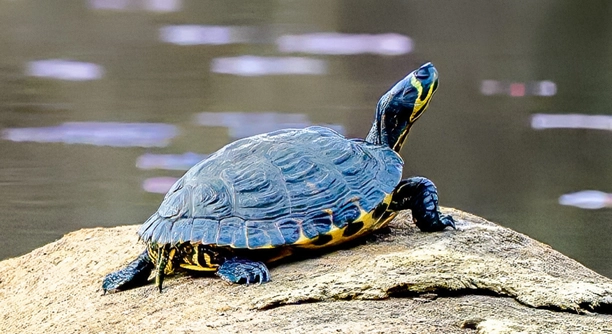
Yellow-bellied sliders are commonly kept as pets and are known for their swimming abilities. However, sometimes they stop swimming, which can be concerning for their owners. Understanding the potential reasons behind this can help ensure their well-being. The main reasons a yellow-bellied slider might stop swimming include water temperature issues, stress, improper water conditions, illness, … Read more
How to Choose the Right Tank Size for Yellow-Bellied Sliders (7 Factors)

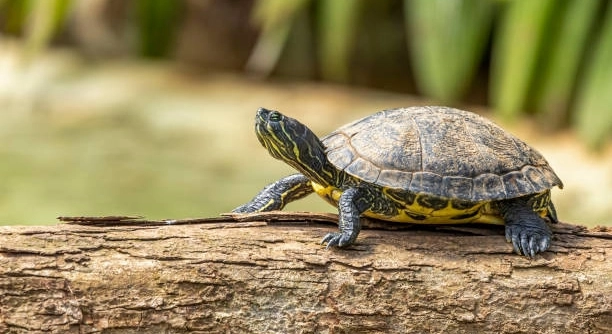
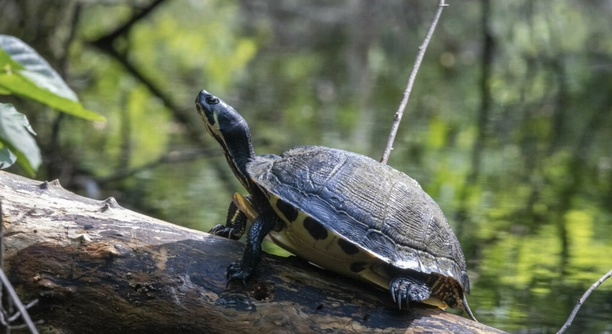
Choosing the right tank size for yellow-bellied sliders is essential for their health and well-being. A proper tank ensures ample space for movement and a healthy environment for your pet. Consider the necessary factors before making a decision. The tank size for yellow-bellied sliders should be large enough to accommodate their growth. A tank that … Read more

7 Ways to Create a Stress-Free Environment for Yellow-Bellied Sliders

Creating a stress-free environment for your yellow-bellied sliders ensures they thrive in their habitat. Stress can negatively impact their health and behavior, so providing the right surroundings is key to their well-being. To create a stress-free environment for yellow-bellied sliders, focus on maintaining a stable water temperature, clean water, and a safe basking area. Avoid … Read more

Why Do Yellow-Bellied Sliders Chase Each Other?

Yellow-bellied sliders, like many other reptiles, display interesting behaviors toward one another. One of these behaviors is chasing, often seen among these turtles. This article explores the reasons behind such actions and their significance. Yellow-bellied sliders chase each other mainly due to territorial disputes, mating behavior, or social dominance. These actions are driven by natural … Read more

Can Yellow-Bellied Sliders Eat Carrots?

Yellow-bellied sliders are popular pets among turtle enthusiasts. Understanding what they can eat is essential for their health and well-being. This includes knowing whether carrots are a suitable option for their diet. Yellow-bellied sliders can eat carrots, but they should only be given in moderation. Carrots are not a primary food source for these turtles, … Read more

7 Key Features of a Good Yellow-Bellied Slider Heat Lamp

A yellow-bellied slider’s health and comfort depend on a proper heat source. A good heat lamp plays a key role in maintaining their environment. Understanding the features of an effective lamp is essential for your turtle’s wellbeing. A quality yellow-bellied slider heat lamp should provide consistent warmth, a reliable UVB light source, and be safe. … Read more

Why Is My Yellow-Bellied Slider Shedding Its Scutes?

Yellow-bellied sliders are known for their colorful appearance and unique behaviors. One such behavior that may raise concerns for owners is shedding their scutes. This process, though natural, can sometimes lead to confusion. The shedding of scutes in yellow-bellied sliders is a normal part of their growth cycle. As they mature, old scutes are replaced … Read more

How to Prevent Yellow-Bellied Slider Tank Leaks (7 Methods)

Leaks in a yellow-bellied slider tank can cause stress and damage. Maintaining a secure tank environment is key to ensuring your pet’s habitat stays intact. Taking preventive steps can help avoid costly repairs and disruptions. To prevent leaks in your yellow-bellied slider tank, regularly check for cracks, seal joints properly, and ensure the tank’s structural … Read more

7 Fun Facts About Yellow-Bellied Sliders You Didn’t Know

Yellow-bellied sliders are fascinating creatures that can be found in ponds, lakes, and rivers. They are known for their colorful markings and their love for basking in the sun. Here are some fun facts about these intriguing turtles. Yellow-bellied sliders are semi-aquatic reptiles native to the southeastern United States. They are named for their distinctive … Read more