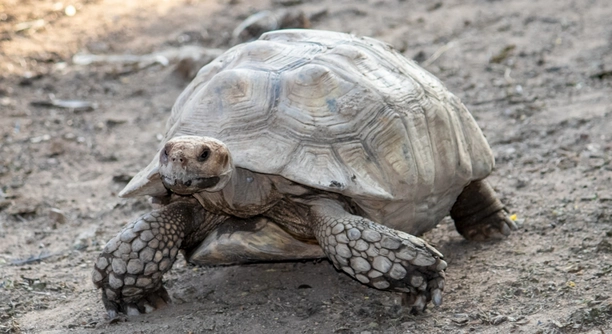
7 Reasons Why Your Tortoise Is Always Sleeping

Tortoises are known for their relaxed nature, often spending hours asleep. If you’ve noticed your tortoise sleeping more than usual, it might leave you wondering about the reasons behind this behavior and how to address it. The primary reason your tortoise may be sleeping more than expected is due to environmental factors, such as temperature, … Read more
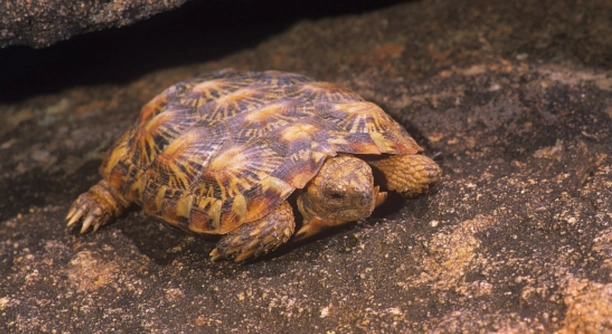
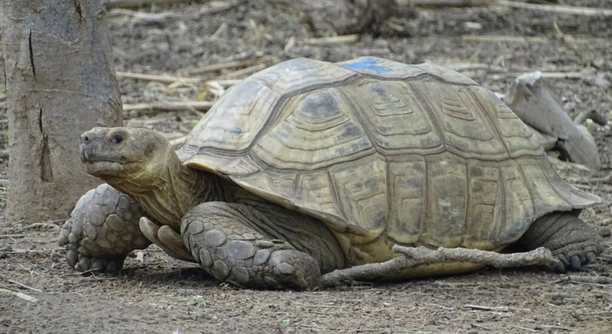
How to Identify and Treat a Tortoise’s Broken Claw (+7 Solutions)

A tortoise’s claw can become broken from various causes, such as injury or improper care. Identifying and treating this issue quickly is important to prevent further complications and ensure your pet’s health and comfort. A broken claw in a tortoise typically requires immediate attention to avoid infections or additional damage. Depending on the severity, treatment … Read more

7 Ways to Tell If Your Tortoise Is Feeling Secure in Its Habitat

Ensuring your tortoise feels safe and secure in its habitat is essential for its well-being. As a pet owner, it is important to understand how to identify signs that your tortoise is comfortable in its environment. A secure tortoise will exhibit relaxed behaviors, including calm movements, active feeding, and appropriate basking. Its shell should remain … Read more

7 Signs That Your Tortoise Is Fully Grown

Tortoises grow slowly, and it can be tricky to determine when they reach full size. Recognizing the signs of a fully grown tortoise will help you understand your pet’s development. Here are seven signs to watch for. A fully grown tortoise will show clear physical and behavioral changes. These include reaching their adult size, stopping … Read more

How to Prevent Tortoise Beak Overgrowth (+7 Easy Fixes)

Tortoise beak overgrowth is a common issue for pet owners. It can cause discomfort for your tortoise, affecting their ability to eat and live comfortably. Fortunately, this is preventable with a few simple steps to maintain their health. To prevent tortoise beak overgrowth, offer proper nutrition, a balanced diet, and regular opportunities to chew on … Read more

7 Essential Vitamins and Minerals for a Healthy Tortoise

A healthy tortoise requires proper nutrition, including essential vitamins and minerals. Ensuring that these vital nutrients are part of their diet supports growth, strength, and overall well-being. This guide explores the best vitamins and minerals for your pet. Essential vitamins and minerals such as Vitamin A, calcium, Vitamin D3, Vitamin E, phosphorus, magnesium, and potassium … Read more

Why Is My Tortoise Licking Its Shell? (+7 Possible Reasons)

Tortoises are known for their unique behaviors, but if you’ve noticed your tortoise licking its shell, it may leave you wondering why. Understanding your pet’s actions can help ensure its health and well-being. Licking its shell may indicate various reasons, such as hydration needs, exploring its environment, or a grooming instinct. It could also be … Read more

7 Best Ways to Provide Enrichment for a Tortoise in Captivity

Tortoises need mental and physical stimulation to thrive in captivity. Enrichment plays a key role in ensuring they remain healthy and active. Providing proper enrichment helps mimic natural conditions and encourages their natural behaviors. Offering enrichment for a captive tortoise is essential for its well-being. Activities such as varying food textures, providing hiding spots, and … Read more

How to Tell If Your Tortoise Is Ready to Hibernate (+7 Signs)

As winter approaches, tortoises can enter a hibernation period, but knowing when they are ready can be tricky. It’s important to watch for certain signs to ensure they are prepared. This process is natural but requires careful attention. Tortoises begin to prepare for hibernation by slowing down their activity levels and eating less. They may … Read more