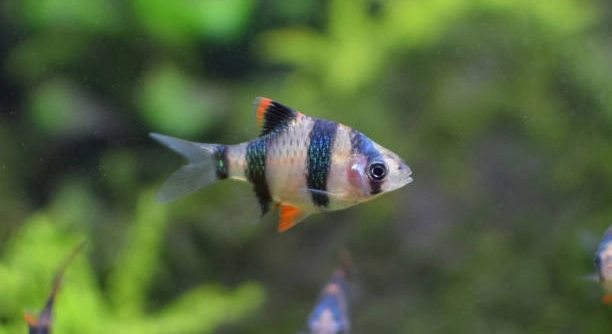
Why Tiger Barbs Prefer Schooling Together
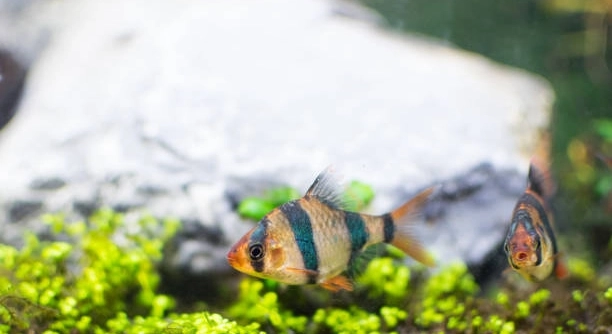
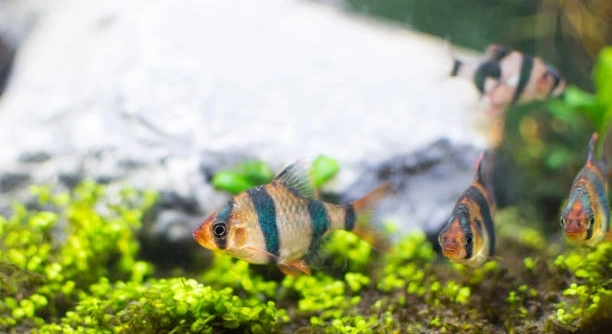
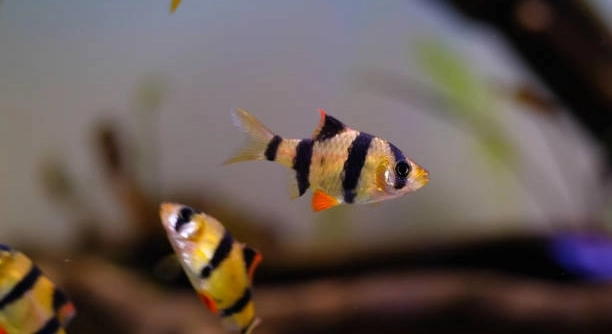
Do you ever find yourself watching your tiger barbs swim and wonder why they always stick so close to each other in the tank? Tiger barbs prefer schooling together because it is a natural behavior that helps reduce stress, improves their sense of safety, and encourages more active and social interactions. This schooling instinct also … Read more
7 Times When Barbs Need Extra Hiding Spots

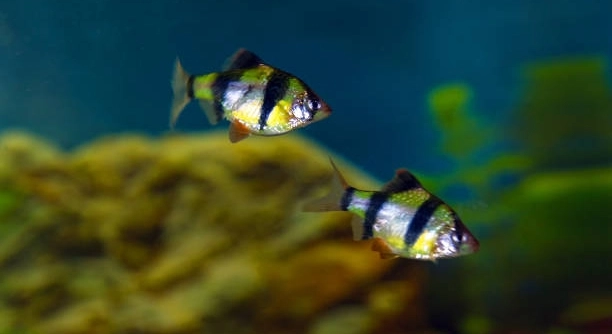
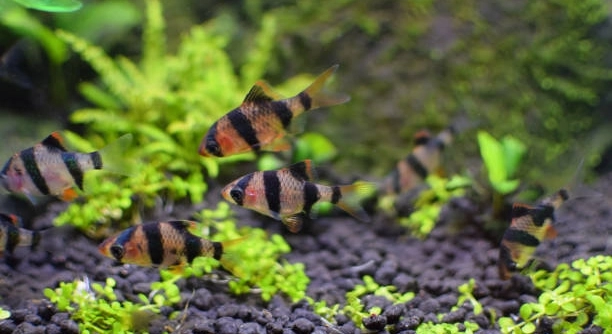
Barbs are lively fish that enjoy exploring their environment. They often need places to hide and feel safe. Providing extra hiding spots can help keep them calm and healthy in their tank. Barbs require additional hiding spots during times of stress, illness, breeding, or changes in their environment. These shelters reduce aggression, provide security, and … Read more

7 Strange Behaviors During Barb Mating

Barb mating behavior shows a range of unusual actions that can seem puzzling at first glance. These behaviors have evolved over time to increase the chances of successful reproduction. Understanding these actions offers insight into the complex nature of barb reproduction. Seven strange behaviors during barb mating include fin displays, circling movements, sudden bursts of … Read more

7 Things to Know Before Buying Tiger Barbs

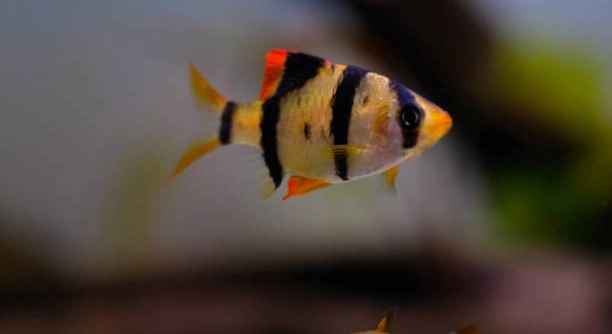
Do you love the idea of keeping colorful fish but find yourself unsure about what to expect before bringing them home? Tiger barbs are active, semi-aggressive fish that thrive in groups of at least six and need a spacious, well-maintained tank. Their behavior, care needs, and compatibility with other species should be considered before purchasing. … Read more

7 Things New Owners Get Wrong About Barbs

Are your barbs acting out, hiding, or not behaving the way you expected after bringing them home for the first time? Many new barb owners struggle with understanding their needs, often due to common myths, improper tank setups, or misreading behavior. These mistakes can lead to stress, aggression, or health issues in the fish. From … Read more

Why Tiger Barbs Might Lock Lips Briefly

Do you ever find yourself watching your tiger barbs closely, only to notice them locking lips for a moment and then swimming away? Lip-locking in tiger barbs is usually a display of dominance or territorial behavior rather than an affectionate gesture. This behavior is often seen among males during social disputes or competition for space … Read more

7 Foods That Bring Out Tiger Barb Color

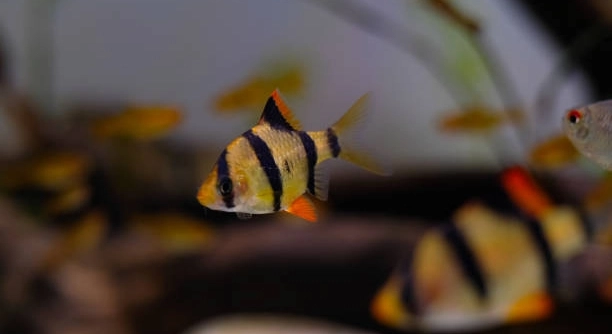
Do you ever find yourself wondering why your tiger barbs look dull even though you’re doing everything right with their care? The most effective way to enhance tiger barb coloration is by feeding them a diet rich in natural pigments, proteins, and essential nutrients. Specific foods support color intensity by promoting overall health and pigment … Read more

How to Stop Tiger Barbs From Harassing Fry

Tiger barbs are popular freshwater fish, but their aggressive behavior can cause problems in community tanks. They often target smaller, more vulnerable fry, leading to stress and injury among young fish. Managing their behavior is essential for a peaceful aquarium environment. To stop tiger barbs from harassing fry, provide plenty of hiding spaces and separate … Read more

7 Color Changes That Show Barb Mood

Barbs are small freshwater fish known for their lively behavior and bright colors. Their changing colors often reflect different moods and conditions. Recognizing these shifts can help better understand their well-being and environment. Barbs exhibit specific color changes that correspond to their mood states. Darker hues typically indicate stress or aggression, while brighter colors often … Read more

Do Tiger Barbs Get Confused by Reflections?

Do tiger barbs are popular freshwater fish that many aquarium enthusiasts enjoy keeping. Their active behavior and vibrant colors make them a favorite choice. Understanding their reactions to reflections helps create a better environment for these lively fish. Tiger barbs do sometimes get confused by reflections, as they may perceive their mirrored image as another … Read more