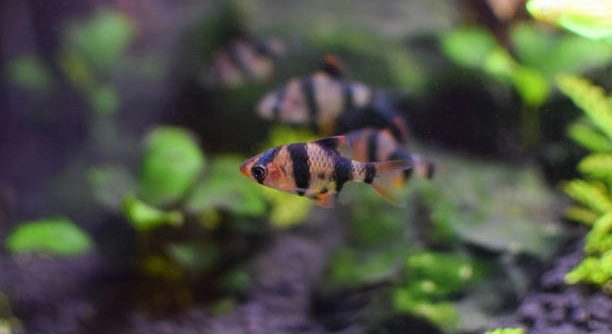
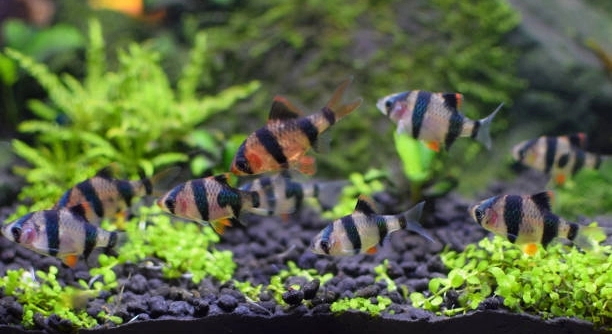
Are Tiger Barbs OK Without a Bubbler?

Do you ever find yourself wondering if your tiger barbs are truly comfortable in their tank without a constant stream of bubbles? Tiger barbs can survive without a bubbler as long as the tank is well-maintained and properly filtered. However, bubblers help increase oxygen levels and improve water circulation, which can support their overall health … Read more
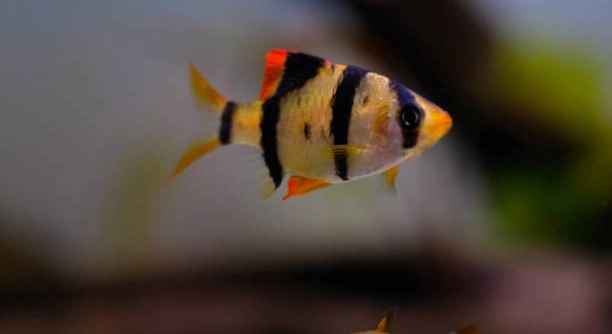
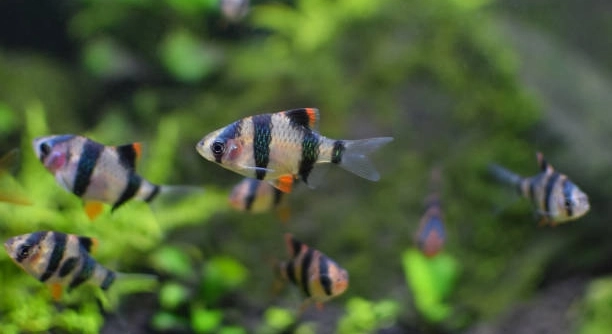
7 Misconceptions About Tiger Barb Aggression

Tiger barbs are popular aquarium fish known for their vibrant colors and active behavior. Many fishkeepers notice their seemingly aggressive actions and wonder if these traits are harmful or typical for the species. Understanding their behavior helps create a better environment for both the fish and the keeper. Tiger barb aggression is often misunderstood and … Read more

Do Tiger Barbs Like Light or Shade?

Tiger barbs are popular aquarium fish known for their lively behavior and striking colors. Many aquarium enthusiasts wonder about the best lighting conditions for these fish to thrive comfortably in their tanks. Understanding their preference for light or shade can improve their overall health and environment. Tiger barbs prefer moderate lighting with some shaded areas … Read more

7 Breeding Behaviors to Watch in Barbs

Barbs are popular freshwater fish often kept by hobbyists who enjoy watching their lively behavior. Observing their breeding habits can help ensure a healthy and thriving aquarium environment. Knowing what to look for makes caring for barbs easier. Breeding behaviors in barbs include specific courtship displays, nest preparation, and egg-laying patterns. These actions indicate readiness … Read more

How to Spot a Lonely Tiger Barb

Many aquarium owners enjoy keeping tiger barbs for their bright colors and lively behavior. Sometimes, these fish can become lonely, which affects their mood and health. Recognizing loneliness in tiger barbs helps ensure they stay happy and active. Lonely tiger barbs often isolate themselves, show duller colors, and reduce their usual schooling behavior. They may … Read more

How to Keep Tiger Barbs Entertained

Tiger Barbs are lively, colorful fish that many enjoy keeping in home aquariums. These active swimmers need stimulation to stay healthy and happy. Providing the right environment helps maintain their natural behaviors and vibrant energy. Keeping Tiger Barbs entertained involves creating a dynamic tank with plenty of hiding spots, plants, and compatible tank mates. Regular … Read more

7 Causes of Tiger Barb Fin Rot and Damage

Are your Tiger Barbs showing signs of ragged fins, discoloration, or sluggish behavior that wasn’t there before? These issues often point to something more serious affecting their well-being in the tank. Tiger Barb fin rot and damage are commonly caused by poor water quality, aggressive tankmates, bacterial or fungal infections, overcrowding, nutritional deficiencies, stress, and … Read more

7 Reactions Barbs Have to New Tankmates

Do your barbs act differently when a new fish enters their tank, leaving you wondering what’s going through their little minds? Barbs often respond to new tankmates with a mix of curiosity, territorial behavior, and social testing. These reactions stem from their natural schooling instincts, established hierarchies, and need to adapt to unfamiliar dynamics within … Read more

Do Tiger Barbs Like to Sleep in Groups?

Tiger barbs are popular aquarium fish known for their vibrant colors and active behavior. Many keepers notice their social nature and wonder about how they rest. Understanding their sleeping habits can improve how we care for these lively fish. Tiger barbs prefer to sleep in groups rather than alone. They feel safer and more secure … Read more

Why Tiger Barbs Might Avoid Open Spaces

Tiger Barbs are lively freshwater fish often kept in home aquariums. They tend to avoid wide-open spaces, preferring areas with plenty of cover where they feel more secure. Understanding their behavior helps create a better environment for them. Tiger Barbs avoid open spaces primarily due to their natural instincts as schooling fish that rely on … Read more