Can Tiger Barbs Learn to Avoid Aggression?
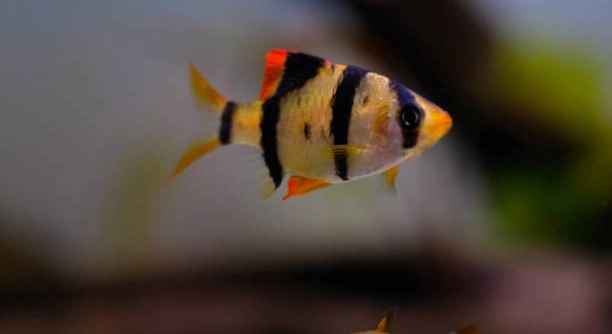
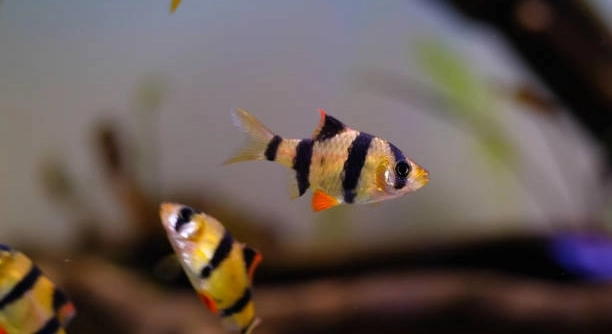
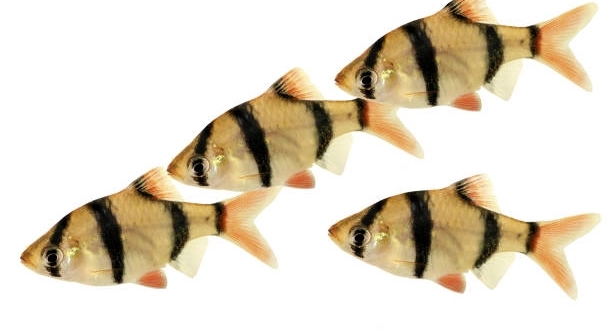
Tiger Barbs are popular aquarium fish known for their lively behavior and occasional aggression. Many hobbyists observe these fish interacting in ways that can sometimes lead to stress or injury. Understanding their behavior is important for a peaceful tank environment. Tiger Barbs can learn to reduce aggression through environmental adjustments and social cues. Research shows … Read more

7 Traits of a Healthy Tiger Barb

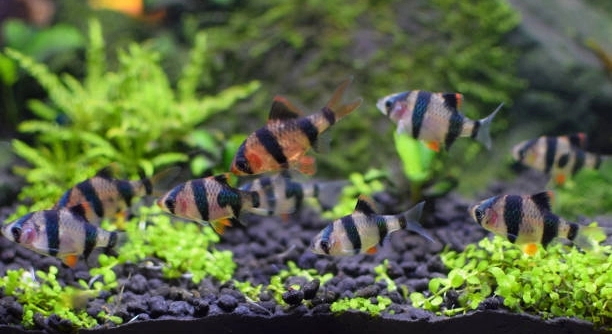
Tiger barbs are popular freshwater fish known for their vibrant colors and lively behavior. They require specific care to thrive and stay healthy in home aquariums. Recognizing their health traits helps ensure their well-being. Healthy tiger barbs display clear eyes, vibrant colors, smooth scales, active swimming behavior, proper body shape, regular breathing, and good appetite. … Read more

What Tank Size Is Best for Tiger Barbs?

Do your tiger barbs seem restless or cramped in their current tank, making you wonder if they need more space to thrive? The best tank size for tiger barbs is a minimum of 20 gallons, ideally larger, to accommodate their active nature and social behavior. This allows them enough room to swim freely and reduces … Read more

Are Tiger Barbs Sensitive to Water Noise?

Have you ever kept tiger barbs and wondered if the sounds around their tank could be affecting them in ways you can’t see? Tiger barbs are sensitive to waterborne noise, which can cause stress and influence their behavior. Research shows that consistent or loud underwater sounds may affect their feeding patterns, social interactions, and overall … Read more

7 Signs Your Tiger Barb Needs More Space

Is your tiger barb acting differently or swimming in strange patterns that seem out of the ordinary for their usual behavior? The most common reason your tiger barb may seem stressed or aggressive is due to a lack of space in the tank. Tiger barbs are active, social fish that require ample room to swim … Read more

7 Subtle Signs of Stress in Tiger Barbs

Are your tiger barbs acting a little off lately, even though everything in their tank seems normal? Subtle behavioral changes can sometimes be easy to miss or misread, especially with fast and active fish like these. Stress in tiger barbs often appears through changes in swimming patterns, color fading, fin clamping, or loss of appetite. … Read more

Why Tiger Barbs May Stop Eating Suddenly

Tiger barbs are popular freshwater fish known for their lively behavior and bright colors. Sometimes, these fish may suddenly stop eating, which can worry their owners. Understanding why this happens is important for keeping them healthy and active. Tiger barbs may stop eating due to stress, poor water conditions, illness, or changes in their environment. … Read more

Why Tiger Barbs Might Hover in Silence

Tiger Barbs are popular aquarium fish known for their lively behavior and striking colors. However, they sometimes hover quietly without making much movement. This behavior can seem unusual compared to their usual energetic nature. Tiger Barbs may hover in silence due to stress, environmental changes, or social dynamics within the tank. This quiet behavior helps … Read more

7 Things That Could Stress Out Your Barbs

Are your barbs acting skittish, hiding more than usual, or refusing to eat even their favorite treats? Stress might be the cause. Learning what affects them can make a big difference in their daily comfort. Barbs can become stressed due to poor water quality, overcrowding, sudden environmental changes, lack of hiding spaces, incompatible tank mates, … Read more

Why Tiger Barbs Might Crowd the Heater

Tiger Barbs are popular aquarium fish known for their lively behavior and striking colors. They often interact actively with their environment, which can affect other tank inhabitants. Understanding their habits helps maintain a balanced and healthy aquarium. Tiger Barbs tend to crowd the heater because they are naturally curious and territorial. They often gather around … Read more