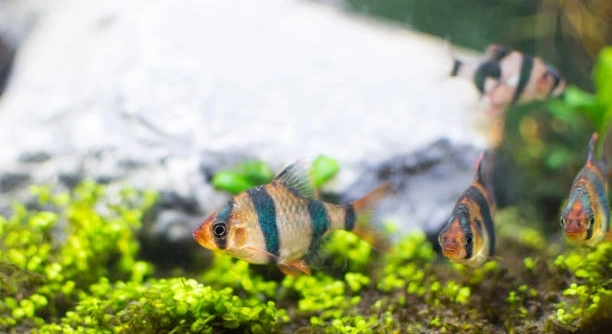
Do Tiger Barbs Play When No One’s Watching?
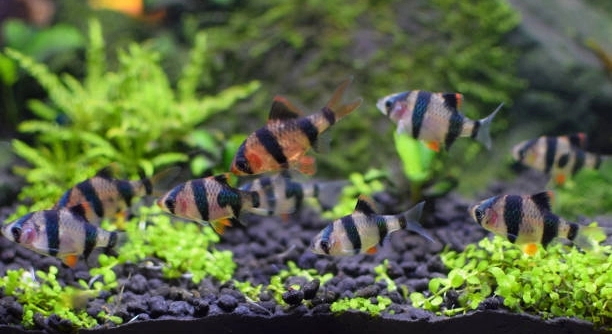
Do you ever find yourself watching your tiger barbs swim around and wondering what they do when you’re not in the room? Tiger barbs continue to engage in playful behaviors even when humans aren’t watching. Their activity is driven by social interaction, environmental stimulation, and natural instincts, making them lively and curious whether observed or … Read more
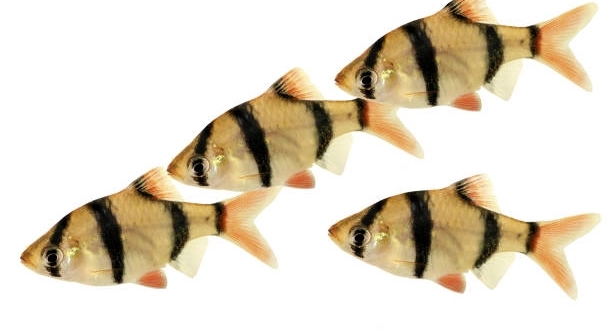
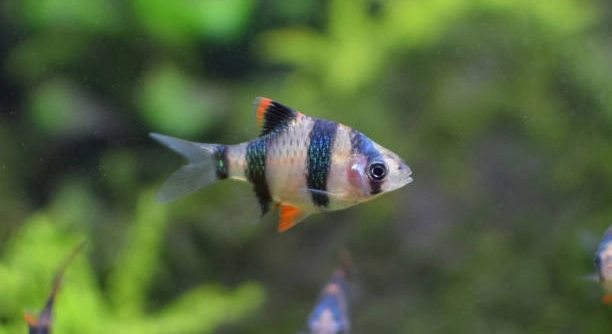
Do Tiger Barbs Enjoy Tank Rearrangements?

Have you ever watched your tiger barbs swim around and wondered if tank changes affect their behavior or mood in any way? Tiger barbs generally enjoy moderate tank rearrangements, as these changes stimulate their curiosity and reduce territorial aggression. Environmental changes can help redirect energy and prevent boredom, making tank rearrangements beneficial when done carefully … Read more

7 Fast Fixes for Barb Fin Nipping

Barb fin nipping is a common issue among fishkeepers that can disrupt the harmony of an aquarium. This behavior can stress your fish and damage their delicate fins, affecting their health and appearance. Many aquarists seek quick, effective solutions to manage this problem. The fastest way to stop barb fin nipping involves improving tank conditions, … Read more

Why Tiger Barbs Might Be Swimming Upside Down

Do your tiger barbs seem to be swimming in odd angles or even flipping upside down at times? This behavior can feel alarming. Understanding what’s behind these movements can help you respond more calmly and confidently. Tiger barbs swimming upside down is usually a sign of swim bladder disorder, a condition affecting their buoyancy. This … Read more

7 Signs of a Happy and Active Tiger Barb

Tiger barbs are lively fish that bring energy to any aquarium. Recognizing their behavior helps ensure they stay healthy and comfortable in their environment. Watching for signs of happiness can improve your care routine. Happy and active tiger barbs exhibit vibrant colors, consistent swimming patterns, and regular feeding behavior. They interact with their environment and … Read more

What Makes Tiger Barbs More Territorial?

Tiger Barbs are known for their lively nature and vibrant colors, but they can also be quite territorial in home aquariums. Their behavior often surprises new fish keepers who expect peaceful community fish. Understanding why they act this way helps improve their care. Tiger Barbs display territorial behavior primarily due to their natural instincts for … Read more

7 Misconceptions About Tiger Barb Tanks

Are your tiger barbs showing odd behavior, or does their tank setup feel harder to manage than expected? You’re not alone. Many aquarium owners run into confusion when caring for these active and colorful freshwater fish. The biggest reason for confusion with tiger barb tanks is the spread of inaccurate information. These misconceptions can lead … Read more

Why Tiger Barbs Might Flare Their Gills

Do your tiger barbs sometimes display strange behavior, like flaring their gills while swimming near others in the tank? This display can be surprising, especially if you’re unsure of what it means or why it happens. Gill flaring in tiger barbs is typically a sign of territorial behavior or social dominance. This action is often … Read more

Can Tiger Barbs Be Kept With Tetras?

Keeping a home aquarium often brings together different types of fish. Many aquarists are interested in combining colorful species like Tiger Barbs and Tetras. Understanding their compatibility is important for a peaceful tank environment. Tiger Barbs can be kept with certain types of Tetras, but careful consideration is needed. Tiger Barbs are semi-aggressive and may … Read more

Why Tiger Barbs Might Avoid Certain Lights

Tiger barbs are popular aquarium fish known for their vibrant colors and active behavior. Many fishkeepers notice that these fish sometimes avoid certain lighting conditions in their tanks. Understanding this behavior can help improve their comfort and wellbeing. Tiger barbs tend to avoid specific lights because intense or harsh lighting can cause stress and disrupt … Read more