How to Quarantine Sick Tiger Barbs

Sick tiger barbs need special care to avoid spreading illness to other fish in your aquarium. Quarantining them properly helps protect your main tank and supports the recovery of your sick fish. To quarantine sick tiger barbs, use a separate tank with clean, filtered water and stable conditions. Monitor water quality, maintain appropriate temperature, and … Read more
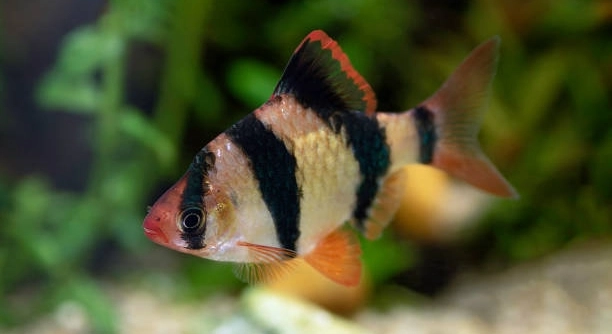
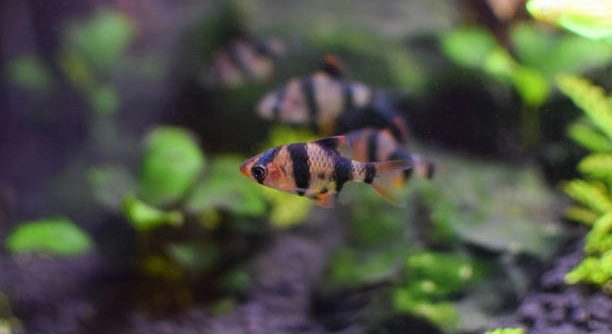
Do Tiger Barbs Recognize Human Faces?

Have you ever spent time observing your tiger barbs and started to wonder if they actually recognize your face each day? Tiger barbs do not have the complex facial recognition abilities seen in some animals, but they can learn to associate human presence with feeding time or other routine interactions. This is more about pattern … Read more

Can Tiger Barbs Learn Tank Feeding Times?

Tiger barbs are popular freshwater fish that many hobbyists enjoy keeping in home aquariums. They have lively personalities and distinct feeding habits that often interest fishkeepers. Understanding their behavior around feeding times can improve their care and tank environment. Tiger barbs can learn to recognize tank feeding times through routine and consistent cues. Over time, … Read more

7 Easy Tiger Barb Tank Upgrades

Are your tiger barbs starting to look a little bored or less vibrant in their tank environment lately? Small changes can often make a big difference to their health and happiness. Upgrading a tiger barb tank can be as simple as adjusting water flow, introducing live plants, or improving filtration. These changes help replicate their … Read more

7 Sounds That May Stress Out Tiger Barbs

Tiger barbs are popular freshwater fish known for their vibrant colors and active behavior. Many keepers enjoy watching them swim and interact in home aquariums. However, certain sounds in their environment can affect their well-being. Certain noises such as loud bangs, tapping on the tank, household appliances, and sudden high-pitched sounds can cause stress in … Read more

Why Tiger Barbs Might Swim Near the Heater

Tiger Barbs are lively freshwater fish often seen swimming near aquarium heaters. Observing their behavior can reveal important clues about their environment and comfort. Understanding why they prefer warmer spots helps in maintaining a healthy tank. Tiger Barbs tend to swim near the heater because they seek warmer water temperatures that aid their metabolism and … Read more

7 Things That Can Harm Tiger Barb Fins

Tiger barbs are popular aquarium fish known for their vibrant colors and active nature. Keeping their fins healthy is essential for their well-being and overall appearance. Various factors can contribute to fin damage, affecting these fish in subtle and serious ways. Several elements can harm tiger barb fins, including poor water quality, aggressive tank mates, … Read more

7 Differences Between Male and Female Tiger Barbs

Male and female tiger barbs are popular freshwater fish known for their vibrant colors and lively behavior. Understanding the differences between the sexes can help aquarists provide better care and create a balanced tank environment. These differences affect appearance, behavior, and breeding potential. Male and female tiger barbs differ mainly in body shape, coloration, fin … Read more

7 Myths About Tiger Barb Compatibility

Many fish enthusiasts enjoy keeping tiger barbs due to their lively nature and striking colors. However, there are many ideas floating around about which fish can live peacefully with them. Sorting fact from fiction can help create a balanced aquarium environment. Tiger barb compatibility myths often exaggerate their aggression and misunderstand their social needs. While … Read more

What Causes Tiger Barb Fins to Shred?

Tiger barbs are popular aquarium fish admired for their vibrant colors and lively behavior. However, many owners notice their fins becoming ragged or shredded over time. Understanding why this happens is important for keeping these fish healthy and looking their best. Tiger barb fins shred primarily due to fin rot caused by bacterial or fungal … Read more