7 Tips for Breeding Brightly Colored Swordtails
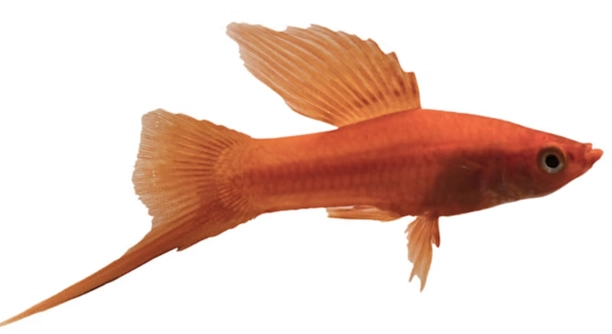
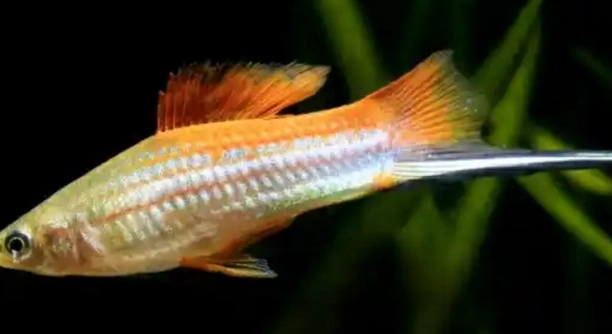
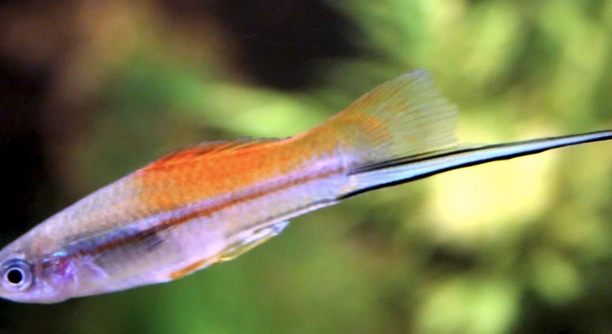
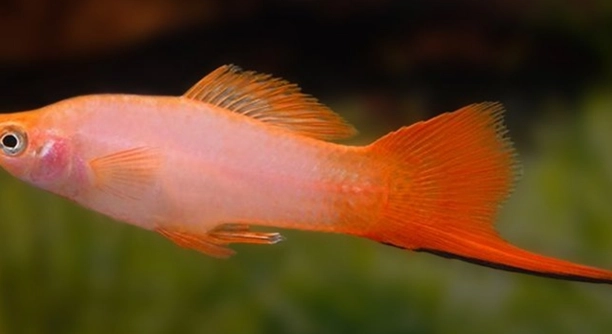
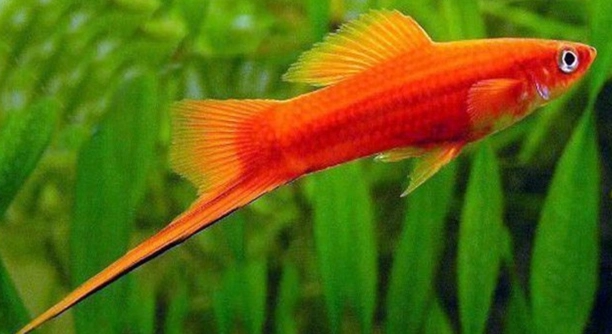
If you’re a fish enthusiast, breeding vibrant swordtails can be an exciting challenge. Brightly colored swordtails are not only visually striking but also a rewarding result of careful breeding practices. To breed brightly colored swordtails, focus on providing a healthy and stable environment, selecting the right breeding pairs, and ensuring proper nutrition. Genetics and water … Read more

7 Little-Known Facts About Swordtail Breeding

Swordtail breeding is an exciting and rewarding hobby for aquarium enthusiasts. These colorful fish are relatively easy to breed, making them a popular choice for beginners. However, there are some lesser-known facts that can help make the process smoother. Swordtail fish breed readily, but their success relies on water conditions, temperature, and proper diet. Females … Read more

Do Swordtails Form a Peeking Order?

Swordtails are a popular fish in many aquariums, known for their vibrant colors and social behavior. Owners often wonder if these fish have a specific pecking order within their groups and how it affects their interactions. Swordtails do not establish a strict pecking order like some other species, but social hierarchies may develop based on … Read more

Why Are Swordtails Constantly Pecking?

Swordtails are fascinating little fish often seen swimming in aquariums. If you’ve ever had one as a pet, you may have noticed that they spend a lot of time pecking at each other. Swordtails engage in pecking behavior primarily due to social interaction, territoriality, and their instinctual habits. They may also peck to establish dominance, … Read more

Do Swordtails Feel Secure in Groups?

Swordtails are a popular fish species among aquarium enthusiasts due to their vibrant colors and active nature. They are often kept in groups, but how do they feel in such social settings? Swordtails generally feel more secure and thrive when kept in groups. These social fish benefit from the presence of their kind, which helps … Read more

7 Water Testing Tips for Swordtail Keepers

Swordtail fish are beautiful, colorful, and hardy creatures that thrive in well-maintained aquariums. To keep them happy and healthy, it’s essential to regularly check their water conditions. Water quality is the key to their well-being. Water testing for swordtail keepers is crucial for ensuring a balanced aquarium environment. Regular monitoring of pH, ammonia, nitrites, nitrates, … Read more

Why Do Swordtails Tap the Tank Glass?

Swordtails are popular freshwater fish known for their colorful and energetic nature. However, you may notice them tapping or bumping against the tank glass, a behavior that often catches the attention of aquarium owners. Swordtails tap the tank glass due to stress, boredom, or a desire for attention. This behavior can also be linked to … Read more

Why Do Swordtail Fry Disappear?

Swordtail fry are delicate creatures, and many aquarists have noticed that they seem to disappear without a trace. This can be frustrating, especially when trying to ensure their growth and survival in the tank. Several factors contribute to swordtail fry disappearing. Predation by adult fish, poor water conditions, and improper tank setups can all lead … Read more

Do Swordtails Like Tank Decorations?

Swordtails are popular aquarium fish known for their vibrant colors and active nature. If you’re a fish keeper, you might wonder how to make their tank environment more engaging. One key factor to consider is the use of tank decorations. Swordtails benefit from having a well-decorated tank. Decorations provide shelter, reduce stress, and encourage natural … Read more

Why Is My Swordtail Not Interested in Food?

Swordtails are popular aquarium fish known for their vibrant colors and active personalities. However, there may be times when your swordtail isn’t showing interest in food, which can be concerning. Several factors could be affecting your swordtail’s appetite. Illness, water quality, stress, or improper diet are some common reasons. Ensuring a balanced environment and addressing … Read more