How to Stop Swordtails from Breeding

Swordtails are popular fish in many home aquariums. However, sometimes aquarium owners may find themselves overwhelmed by their unexpected breeding. Managing this behavior is important for keeping a healthy and balanced fish environment. To stop swordtails from breeding, separate males from females or limit their contact. Another approach is controlling water temperature and conditions, as … Read more

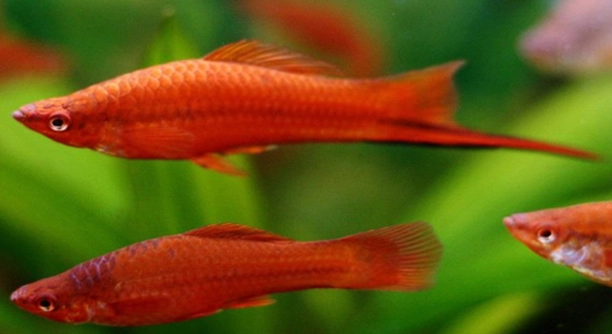
7 Ways to Spot Ich on Swordtail Fish

Ich, a common parasite, can be a serious problem for Swordtail fish. Recognizing the signs early is key to maintaining a healthy aquarium environment for your fish. Let’s explore how to identify Ich and take action. Ich is a parasitic infection caused by protozoa, typically characterized by small white cysts on the fish’s skin, gills, … Read more

7 Best Breeding Conditions for Swordtails

Are your swordtails not breeding as often as you’d like, or are you unsure if you’re giving them the right setup to thrive? Swordtails breed best when kept in warm, clean water with stable parameters, plenty of hiding spaces, and a healthy diet. Lighting, tank size, and low stress levels also play a significant role … Read more

Can Swordtails Survive Without an Air Pump?

Have you ever found yourself setting up a tank for swordtails and wondering if skipping the air pump is really okay? Swordtails can survive without an air pump if the tank has proper filtration, surface agitation, and enough oxygen exchange. However, without these conditions, oxygen levels may drop, putting stress on the fish and risking … Read more

7 Things That Upset Pregnant Swordtails

Pregnant swordtails are delicate creatures that require specific care to thrive. Understanding what upsets them can help create a better environment and prevent stress. This article will explore the top factors that negatively affect pregnant swordtails. Several factors can upset pregnant swordtails, including overcrowding, abrupt water changes, poor water quality, high stress levels, and incompatible … Read more

How Often Do Swordtails Give Birth?

Swordtails are fascinating fish, known for their vibrant colors and active nature. For those who keep these fish as pets, understanding their reproductive cycle can be crucial for their care. Learning about their birthing frequency is important for proper management. Swordtails give birth approximately every four to six weeks, depending on their environment, health, and … Read more

7 Ways to Encourage Swordtail Breeding

Swordtail fish are a popular choice for aquariums, and many enthusiasts seek ways to encourage breeding. Knowing how to properly care for them and create the right environment is essential for successful reproduction. Creating an ideal habitat is key for swordtail breeding. Maintain a clean tank, provide hiding spots, and ensure the water temperature and … Read more

Why Is My Swordtail Breathing Through Mouth?

Is your swordtail fish acting differently, breathing heavily through its mouth instead of the usual gill movement? This can be worrying, especially when everything else in the tank seems fine and unchanged at first glance. The most common reason your swordtail is breathing through its mouth is poor water quality. High ammonia or low oxygen … Read more

Why Are Swordtails Rubbing Against Gravel?

Swordtails are active and social fish that often interact with their environment in various ways. One behavior that may catch your attention is when they rub against gravel or objects in their tank. This behavior is often linked to a natural instinct known as “scraping.” Swordtails may rub against surfaces to remove parasites or irritants … Read more

Do Swordtails Form Emotional Bonds?

Swordtails are popular aquarium fish known for their beauty and energetic behavior. Many fish owners wonder about their social dynamics, including whether they form emotional bonds with one another or their human caretakers. Research suggests that swordtails, like many fish species, display certain social behaviors, but these interactions are often driven by instincts rather than … Read more