7 Things to Add for Swordtail Enrichment
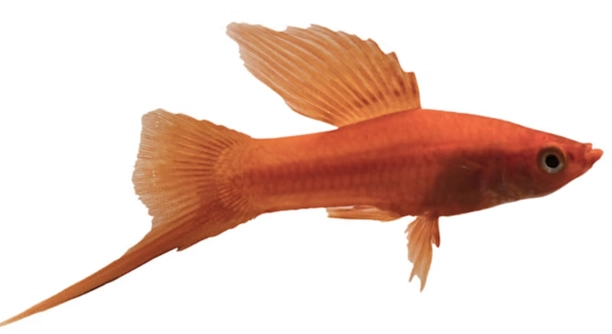
Adding variety to your swordtail’s environment is key to their enrichment. Creating a dynamic space with various elements ensures their physical and mental well-being. Providing them with new experiences enhances their happiness and engagement. The best way to enrich your swordtail’s environment is by adding plants, caves, rocks, and varied substrates. These additions promote natural … Read more
Why Is My Swordtail Flicking Its Tail?

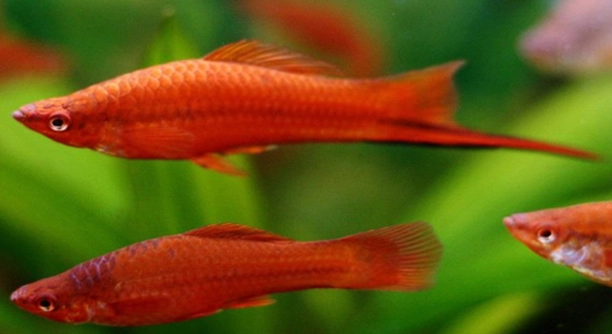
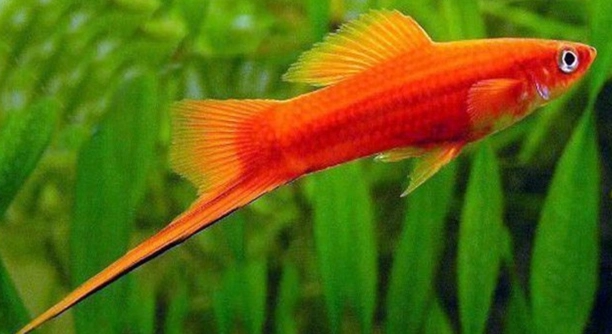
Is your swordtail acting a little different lately, flicking its tail more than usual? This behavior might seem odd at first. While it can be harmless, sometimes it points to something that needs your attention. Tail flicking in swordtails is often a reaction to irritation or stress, commonly caused by poor water quality, sudden environmental … Read more

Why Are Swordtails Grouping by Size?

Swordtails are a popular species in home aquariums, known for their striking colors and active nature. However, you might notice something interesting happening with them: they often group by size. Swordtails tend to group by size due to social dynamics and natural behavior. Larger fish often dominate in social interactions, leading smaller individuals to form … Read more

7 Tips for Transporting Swordtails Safely

Transporting swordtails requires careful consideration to ensure their safety and well-being. Whether you’re moving them to a new tank or to a new home, proper transportation is key to minimizing stress. To safely transport swordtails, use a secure, properly-sized container with adequate water from their current tank. Keep the water temperature consistent, provide adequate oxygen, … Read more

How Big Do Swordtails Get in Captivity?

Swordtails are a popular choice for aquarium hobbyists. These lively fish are known for their bright colors and active nature. Many people wonder how big they can get when kept in captivity. Swordtails typically reach a size of 3 to 4 inches in captivity, depending on their environment and care. The males are usually smaller, … Read more

Do Swordtails Sleep? (+What It Looks Like)

Swordtails are popular aquarium fish, known for their distinct appearance and active nature. If you’re curious about their behavior, understanding their sleep patterns can help ensure a healthy environment for them in your tank. Swordtails do sleep, though their sleep patterns are different from mammals. They rest in a state of reduced activity, typically during … Read more

Why Is My Swordtail Chewing at the Leaves?

Have you ever looked into your aquarium and noticed your swordtail nibbling away at plant leaves, wondering what it might mean? Swordtails may chew on leaves due to boredom, nutritional deficiencies, or the presence of algae on the plants. This behavior is typically harmless but could also signal a need for dietary adjustments or habitat … Read more

Do Swordtails Like Dim or Bright Lights?

Swordtails are known for their active behavior, but many wonder about their light preferences. Understanding their need for light helps create a healthier environment. It’s important to learn how lighting can affect these small, energetic fish. Swordtails generally prefer moderate lighting. Bright light can stress them, while dim lighting may hinder their activity levels. It … Read more

Can Swordtails Act Territorial Over Plants?

Have you ever noticed your swordtail fish hovering around specific areas in your tank, especially where the plants are thickest and most vibrant? Their behavior might be trying to tell you something about their underwater preferences. Swordtail fish can act territorial over plants, particularly when they feel stressed or when breeding behavior is triggered. These … Read more

Can Swordtails Display Mood Shifts?

Swordtails are a popular choice among aquarium hobbyists, known for their vibrant colors and playful behavior. Observing their activity can raise interesting questions, particularly about how their mood might shift throughout the day. Swordtails do experience mood shifts, which can be influenced by environmental factors such as water quality, lighting, and interactions with other fish. … Read more