7 Best Practices for Softshell Turtle Tank Maintenance
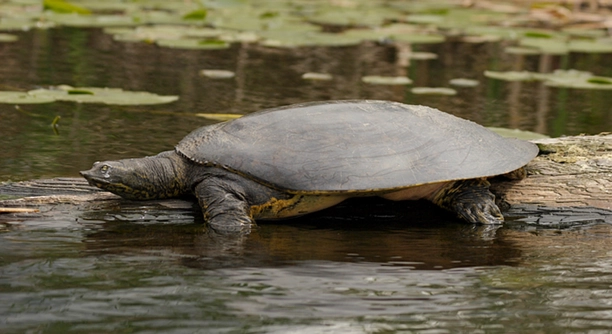
Do you want to ensure your softshell turtle thrives in its aquatic environment? Proper tank maintenance is key to keeping these unique creatures healthy and happy. Understanding the best practices can make all the difference. The most effective way to maintain a softshell turtle tank is by ensuring regular water changes, monitoring water quality, and … Read more
How to Ensure the Right Water Temperature for Softshell Turtles

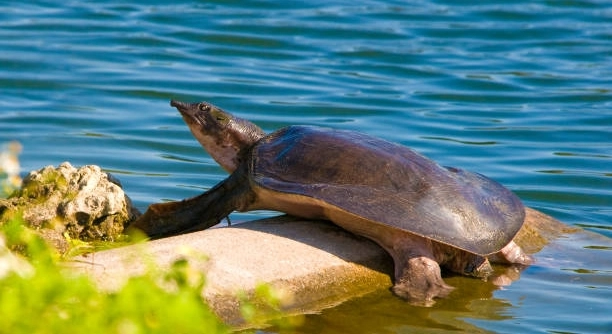
Do your softshell turtles seem less active or healthy lately? Water temperature plays a crucial role in their overall well-being and behavior, making it essential to get it just right for your shelled companions. The optimal water temperature for softshell turtles is between 75°F and 85°F. Maintaining this range supports their metabolism, digestion, and immune … Read more

7 Tips for Reducing Stress in Softshell Turtles

Stress can affect softshell turtles in various ways, leading to health issues if not addressed properly. Understanding how to manage and reduce stress for your turtle is essential for its well-being. Reducing stress in softshell turtles involves ensuring a proper habitat, maintaining appropriate water conditions, and minimizing disturbances. Regular feeding, temperature regulation, and handling with … Read more

Why Is My Softshell Turtle Not Eating?

A softshell turtle not eating can be concerning, as it may indicate various issues that require attention. Understanding the possible reasons for this behavior can help ensure your turtle’s health and well-being. The primary reasons for a softshell turtle not eating include environmental factors such as incorrect water temperature, stress, poor water quality, or underlying … Read more

7 Ways to Stop Tank Algae from Growing Too Fast

Algae growth in your tank can quickly get out of control, leading to poor water quality and aesthetic concerns. Managing algae is important for the health of your aquarium and the well-being of its inhabitants. Controlling algae growth involves maintaining good water quality, reducing light exposure, and using natural or mechanical filtration methods. Regular tank … Read more

How to Set Up a Tank for a Baby Softshell Turtle

Setting up a tank for a baby softshell turtle requires careful planning to provide a safe and healthy environment. This setup is essential for their growth and well-being. The right tank setup ensures a comfortable habitat for your pet. To properly set up a tank for a baby softshell turtle, choose an appropriately sized tank … Read more

7 Signs Your Softshell Turtle Is Ready to Breed

Your softshell turtle may be signaling that it’s ready to breed. Recognizing the signs early can help ensure their health and readiness for this important stage. It’s essential to observe their behavior closely for any noticeable changes. The most common signs that indicate a softshell turtle is ready to breed include increased activity, the search … Read more

How to Create the Perfect Outdoor Habitat for Softshell Turtles

Softshell turtles thrive in outdoor habitats that closely mimic their natural environment. Creating a suitable space requires careful consideration of their unique needs, including water quality, basking areas, and vegetation to promote their health and well-being. The ideal outdoor habitat for softshell turtles includes a spacious pond with clean, warm water, sandy areas for burrowing, … Read more

7 Common Softshell Turtle Diseases (+How to Prevent)

Is your softshell turtle displaying unusual behaviors or physical changes? Understanding common diseases is vital for keeping these unique reptiles healthy and thriving in their aquatic environments. Softshell turtles are susceptible to diseases like shell rot, fungal infections, and respiratory issues. These conditions often stem from poor water quality, improper diet, or inadequate habitat maintenance, … Read more

Why Do Softshell Turtles Hibernate?

Softshell turtles are fascinating creatures, and observing their behavior can be both intriguing and mysterious. One particular aspect of their lives that stands out is their hibernation habits. Why do they do it? Softshell turtles hibernate primarily to survive cold temperatures. When the water or environment gets too cold for them to remain active, they … Read more