Why Is My Softshell Turtle Not Swimming Properly?
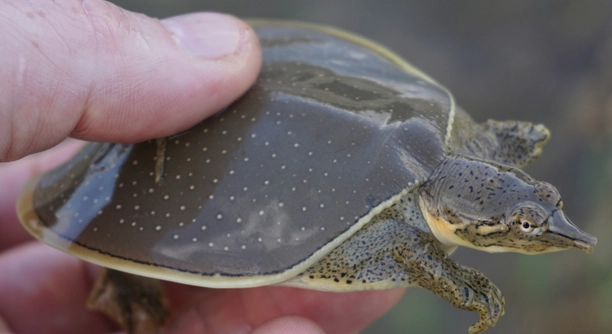
Are your softshell turtles struggling to swim as gracefully as they should? Watching your aquatic pet act unusually can be concerning, especially when it comes to their health and well-being. Softshell turtles may not swim properly due to factors like illness, water quality issues, injuries, or stress. Identifying the underlying cause is crucial to ensuring … Read more
7 Essential Tips for Softshell Turtle Hatchling Care

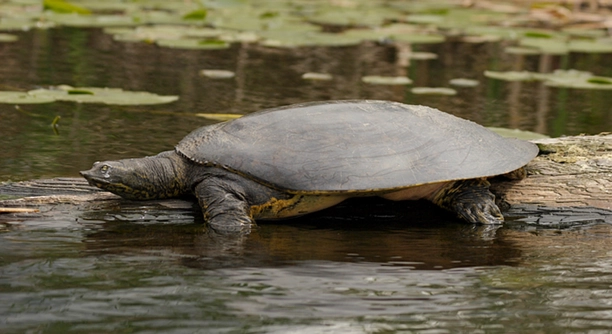
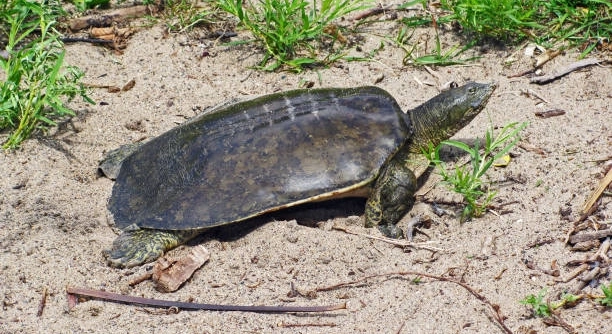
Do you have a softshell turtle hatchling and want to ensure it thrives in its new environment? Caring for softshell turtle hatchlings requires attention to their diet, habitat, and water quality. Providing proper conditions ensures healthy growth and a stress-free life for these delicate creatures. From understanding their unique needs to creating the perfect setup, … Read more

How to Make Sure Your Softshell Turtle Gets Enough Calcium

Ensuring your softshell turtle gets enough calcium is essential for its health. Calcium helps with shell development and overall well-being, so it’s important to make sure it’s included in their diet regularly. The key to providing sufficient calcium for your softshell turtle is offering calcium-rich foods, such as leafy greens, and supplementing with a calcium … Read more

Why Does My Softshell Turtle Have a Dirty Shell?

Softshell turtles are fascinating creatures, but caring for them can sometimes raise concerns. One common issue that turtle owners face is a dirty or murky shell. Understanding this problem can help in taking the right steps to address it. The most common cause of a dirty shell in softshell turtles is the accumulation of dirt, … Read more

7 Ways to Keep Softshell Turtles Safe from Tank Predators

Softshell turtles are a unique species that require a specific environment to thrive. One of the challenges they face is the presence of predators in their tank. Ensuring their safety is crucial for their well-being. To keep softshell turtles safe from tank predators, create a secure habitat by using barriers like mesh or dividers, keeping … Read more

How to Spot and Treat Parasites in Softshell Turtles

Softshell turtles are unique creatures, and like any pet, they require special care to stay healthy. Sometimes, parasites can pose a threat to their well-being. Identifying and addressing these issues early on can help keep them in top condition. Parasites in softshell turtles can be detected by observing signs such as abnormal behavior, loss of … Read more

7 Foods That Are Great for Softshell Turtles

Are your softshell turtles getting the proper nutrition they need to stay healthy and active? Providing the right foods ensures they receive essential nutrients for strong shells, good digestion, and overall well-being. A balanced diet supports their long-term health and vitality. Softshell turtles thrive on a varied diet that includes protein-rich foods like insects, fish, … Read more

Why Is My Softshell Turtle Always Basking in the Water?

Is your softshell turtle spending most of its time basking in the water instead of on land? This behavior may seem unusual, but it can be influenced by environmental conditions, health issues, or natural preferences unique to softshell turtles. Softshell turtles may bask in the water instead of on land due to inadequate basking spots, … Read more

7 Signs That Your Softshell Turtle Needs a Larger Tank

Softshell turtles are popular pets, known for their unique look and behavior. They need a tank environment that supports their growth and well-being. As they grow, they may require more space for comfort and health. Turtles grow at different rates, and when they outgrow their tank, they may exhibit signs of stress or discomfort. Signs … Read more

How to Monitor Your Softshell Turtle’s Growth Rate

Monitoring your softshell turtle’s growth rate is essential for ensuring its health and well-being. Proper tracking can help you identify any potential health issues early on, allowing you to take action when needed. The most accurate way to monitor a softshell turtle’s growth is by regularly measuring its carapace length and weight. Tracking these measurements … Read more