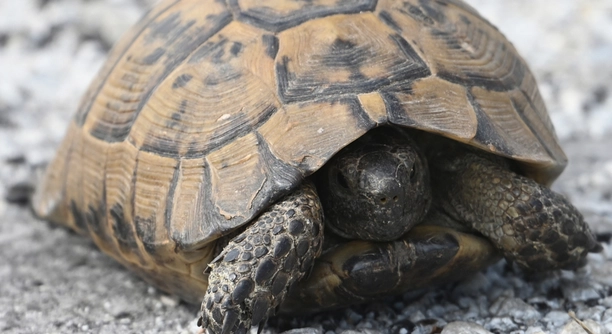
Why Is My Russian Tortoise Not Using Its Back Legs?

If your Russian tortoise isn’t using its back legs, it can be concerning. Understanding the causes behind this behavior is essential for ensuring your tortoise’s health and well-being. There are a variety of potential reasons for this. The most common causes for a Russian tortoise not using its back legs include injury, nutritional deficiencies, or … Read more

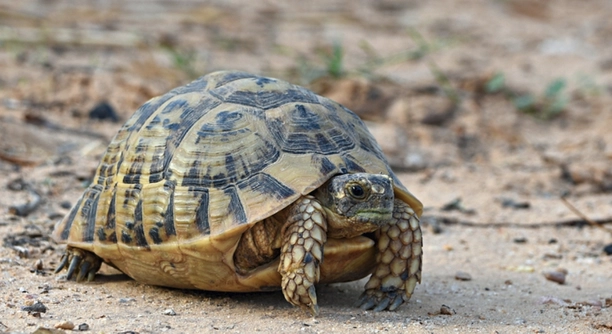
7 Reasons Why Your Russian Tortoise’s Shell Is Turning White

If you’ve noticed that your Russian tortoise’s shell is turning white, it may be an indication of something worth investigating. While it’s a natural part of their growth, understanding the underlying causes is crucial. The white appearance on your Russian tortoise’s shell can result from several factors, including dehydration, fungal infections, or shedding. Environmental stressors … Read more

How to Set Up the Perfect Outdoor Russian Tortoise Pen

Setting up the perfect outdoor Russian tortoise pen requires careful planning and understanding of your tortoise’s natural environment. A well-designed pen will provide safety, comfort, and a chance for your pet to thrive outdoors. To create the ideal outdoor pen for a Russian tortoise, ensure it offers adequate space, security, and environmental features like proper … Read more

Why Is My Russian Tortoise Always Trying to Escape?

Russian tortoises are known for their curious nature and adventurous spirit. If you have one at home, you might notice them often trying to escape their enclosure. Understanding why they behave this way is important. The primary reason your Russian tortoise is attempting to escape is rooted in their instinctual need to roam. These tortoises … Read more

What’s the Best Diet for a Russian Tortoise?

A proper diet is essential for the health and well-being of a Russian tortoise. These reptiles require specific nutrients to thrive and maintain their energy levels, ensuring they remain active and healthy. The best diet for a Russian tortoise consists primarily of high-fiber, low-protein foods. Offering a variety of dark leafy greens, such as collard … Read more

7 Reasons Why Your Russian Tortoise’s Shell Is Soft

Is your Russian tortoise’s shell feeling soft? A healthy shell is essential for their well-being, and a soft shell could indicate an underlying issue. Understanding the causes can help you take the right steps to improve your tortoise’s health. A soft shell in Russian tortoises is often caused by metabolic bone disease, inadequate UVB exposure, … Read more

Why Is My Russian Tortoise Burying Itself?

Russian tortoises are known for their burrowing behavior, often retreating into the ground as a part of their natural instincts. This behavior can sometimes cause concern for pet owners wondering if it’s normal or if there’s an underlying issue. Burrowing is a natural behavior for Russian tortoises and can serve multiple purposes. It may be … Read more

How to Bond with Your Russian Tortoise (+7 Simple Tips)

Bonding with your Russian tortoise is a rewarding experience that can bring you closer to your pet. Understanding its behavior and needs is key to developing a strong connection. Creating a comfortable environment also plays a big role. The most effective way to bond with your Russian tortoise is through consistent care and interaction. Regular … Read more

Why Does My Russian Tortoise Keep Opening Its Mouth?

Russian tortoises can sometimes open their mouths for reasons beyond just breathing or communicating. Understanding this behavior is key to ensuring your tortoise remains healthy and happy. Several factors could cause your pet to exhibit this action. The most common reason your Russian tortoise opens its mouth is due to stress, respiratory infections, or improper … Read more

Can Russian Tortoises See in the Dark?

Russian tortoises are fascinating creatures, known for their calm demeanor and unique habits. They are often kept as pets due to their manageable size and gentle nature. However, questions about their vision abilities remain. Russian tortoises, like most reptiles, are not adapted to see in total darkness. They rely on light levels to navigate their … Read more