How to Make Your Russian Tortoise More Comfortable Indoors

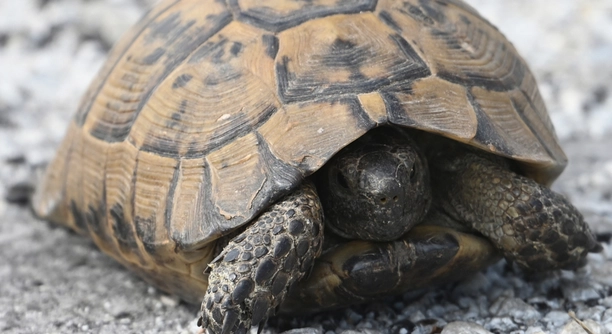
If you have a Russian tortoise as a pet, providing them with a comfortable indoor environment is essential for their health and well-being. Ensuring they have enough space, light, and proper care will help them thrive. To make your Russian tortoise more comfortable indoors, provide a spacious enclosure with appropriate bedding, access to UVB light, … Read more

Why Is My Russian Tortoise Always Scratching Its Shell?

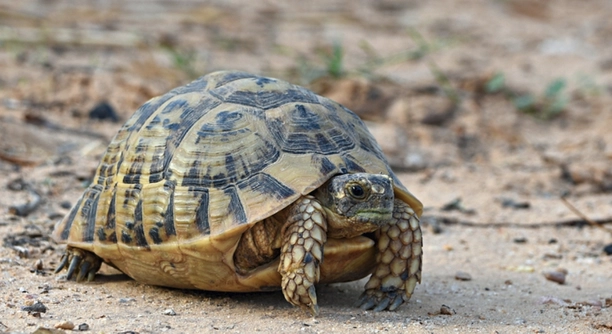
Russian tortoises are beloved pets known for their slow and steady nature. However, if you’ve noticed your tortoise constantly scratching its shell, you might be concerned. This behavior could be a sign of something more than just typical activity. The scratching behavior of your Russian tortoise may indicate irritation, stress, or even a physical issue … Read more

7 Foods That Are Toxic to Russian Tortoises

Russian tortoises are adorable and resilient creatures, but their diet requires careful consideration. Some foods may seem harmless, but can actually be harmful to their health. Understanding what to avoid is crucial for their well-being. Certain foods are toxic to Russian tortoises and should be avoided to prevent serious health problems. These include items like … Read more

How to Properly Quarantine a New Russian Tortoise

Quarantining a new Russian Tortoise is essential for ensuring its health and safety in its new environment. This process helps to prevent the spread of potential diseases and provides a smooth transition for your new pet. The key to properly quarantining a Russian Tortoise involves setting up a separate, controlled habitat where it can adjust … Read more

Why Is My Russian Tortoise Constantly Blinking?

Your Russian tortoise may be blinking more often than you’d expect, leaving you wondering if it’s normal or a cause for concern. Understanding why your tortoise blinks frequently can help ensure its well-being and health. Frequent blinking in Russian tortoises is often a sign of a natural response to environmental factors like dryness or irritation. … Read more

7 Reasons Why Your Russian Tortoise’s Beak Is Too Long

A well-maintained beak is essential for your Russian tortoise’s health. If its beak has become too long, it can affect its eating habits and overall well-being. Understanding the causes can help you manage the issue effectively. The most common reasons for a Russian tortoise’s beak growing too long include improper diet, lack of grinding surfaces, … Read more

How to Recognize a Dehydrated Russian Tortoise

Recognizing a dehydrated Russian Tortoise can be challenging, but understanding the signs is essential for maintaining their health. These tortoises are vulnerable to dehydration, and early detection can help prevent serious health issues. Signs of dehydration in a Russian Tortoise include sunken eyes, lethargy, dry skin, and a lack of appetite. Ensuring access to fresh … Read more

7 Ways to Keep Your Russian Tortoise Engaged in Captivity

Keeping your Russian tortoise engaged in captivity is essential for its well-being. These fascinating creatures need stimulation to stay active and healthy. Finding ways to keep them occupied will improve their quality of life and behavior. Providing a variety of environments and activities for your Russian tortoise ensures it stays mentally and physically active. Offering … Read more

How to Tell If Your Russian Tortoise Is Experiencing Stress Molt

Is your Russian tortoise shedding excessively or showing unusual skin changes? Stress molt can be a sign of underlying issues that need attention. Understanding the causes and symptoms can help ensure your pet’s health and well-being. Stress molt in Russian tortoises is often triggered by environmental changes, improper diet, or inadequate humidity. Identifying early signs, … Read more