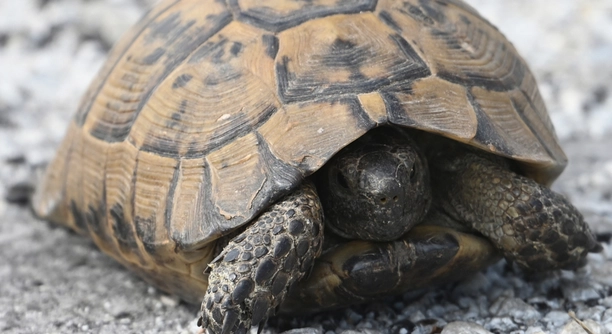
7 Simple Ways to Reduce a Russian Tortoise’s Stress
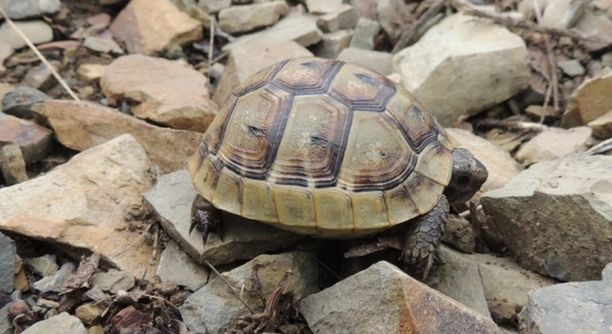
Is your Russian tortoise showing signs of stress, like hiding excessively or refusing to eat? A calm environment is essential for their well-being, and small adjustments can make a big difference in reducing their stress levels. Minimizing stress in a Russian tortoise involves maintaining a proper habitat, providing a consistent diet, and limiting excessive handling. … Read more
How to Recognize a Sick Russian Tortoise

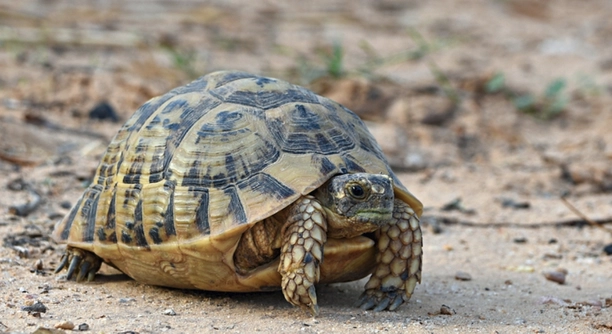
Is your Russian tortoise acting differently, moving less, or refusing food? Recognizing signs of illness early can help prevent serious health issues. Understanding common symptoms will ensure your pet receives the care it needs to stay healthy and active. Lethargy, loss of appetite, swollen eyes, respiratory issues, and irregular stool are common signs of illness … Read more

Why Is My Russian Tortoise Digging a Hole?

Russian tortoises are known for their unique behaviors, and one of the most interesting is digging. If your tortoise is digging a hole, you might be wondering what this behavior means and if it’s something to be concerned about. The main reason your Russian tortoise is digging a hole is instinctual behavior. Tortoises dig to … Read more

7 Best Ways to Keep a Russian Tortoise Warm in Winter

As winter approaches, it’s important to ensure your Russian tortoise stays warm and comfortable. Cold temperatures can be harmful, so knowing the best ways to keep them cozy will help them stay healthy during the chilly months. To keep your Russian tortoise warm in winter, provide a heated enclosure, use a reliable heat source like … Read more

Why Does My Russian Tortoise Keep Hiding for Days?

Sometimes, it’s easy to feel concerned when your Russian tortoise hides for extended periods. This behavior is common but can leave owners wondering if something is wrong with their pet. Russian tortoises may hide for several reasons, such as stress, temperature fluctuations, or a need for rest. They are solitary creatures that seek shelter when … Read more

How to Tell If Your Russian Tortoise Is Overweight

Is your Russian tortoise looking rounder than usual, making you wonder if it might be overweight? Maintaining a healthy weight is essential for your pet’s well-being, ensuring it stays active and avoids potential health issues related to obesity. The best way to determine if your Russian tortoise is overweight is by checking for excessive fat … Read more

Why Is My Russian Tortoise Not Using Its Back Legs?

Is your Russian tortoise having trouble moving its back legs, leaving you worried about its health? Tortoises rely on strong limbs for movement, so any weakness or immobility can be concerning. Understanding the cause is important for keeping your pet healthy. The most common reason your Russian tortoise is not using its back legs is … Read more

7 Best Lighting Options for Russian Tortoises

Lighting plays a key role in the well-being of Russian Tortoises. Proper lighting can affect their behavior, health, and overall happiness. Understanding the types of lighting they need ensures their habitat is suitable and comfortable. For Russian Tortoises, the best lighting options include a combination of UVB, UVA, and heat sources. UVB is essential for … Read more