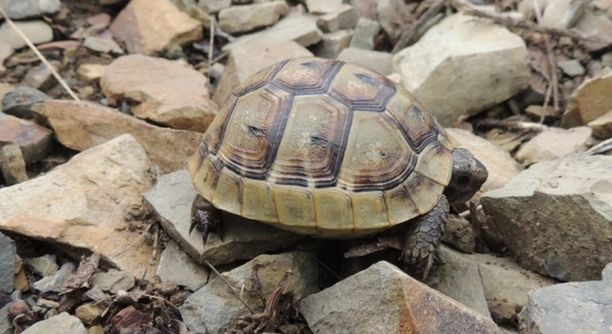
7 Simple Ways to Bond With Your Russian Tortoise
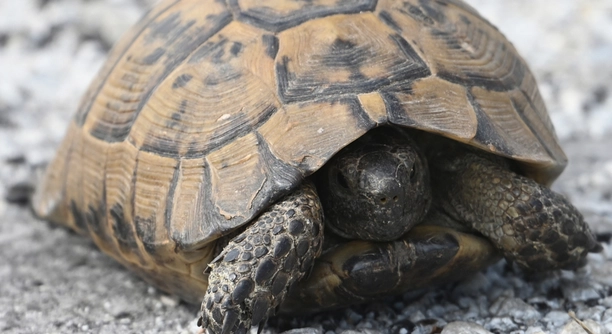
Paragraph 1 (35 words)Bonding with a Russian tortoise can be a rewarding experience. Understanding their needs and behaviors is key to forming a meaningful connection. With the right approach, you can build trust and enjoy your time together. Paragraph 2 (40 words)The simplest way to bond with your Russian tortoise is through patience and consistent … Read more

How to Tell If Your Russian Tortoise Is Too Hot

A Russian Tortoise is a beloved pet, known for its hardiness and fascinating behaviors. However, like all animals, it’s important to keep a close eye on its environment, particularly the temperature. A Russian Tortoise may become too hot if exposed to high temperatures for prolonged periods, leading to dehydration or heatstroke. Keeping their habitat within … Read more

Why Is My Russian Tortoise Kicking Substrate Out of Its Hide?

Is your Russian tortoise constantly kicking substrate out of its hide, leaving a mess in its enclosure? This behavior can be puzzling for many pet owners, but it often has a simple explanation rooted in natural instincts and environmental factors. A Russian tortoise kicks substrate out of its hide primarily due to burrowing instincts, temperature … Read more

7 Mistakes to Avoid When Setting Up a Russian Tortoise Enclosure

Do you ever find yourself excited to set up a home for your Russian tortoise, only to worry about getting everything just right? Creating a comfortable and safe environment is essential for your pet’s health and well-being. The most common mistakes when setting up a Russian tortoise enclosure include improper substrate, incorrect temperature gradients, inadequate … Read more

How to Tell If Your Russian Tortoise Has a Respiratory Infection

If you are a proud owner of a Russian Tortoise, you might notice some signs that something isn’t quite right. Respiratory infections are common in reptiles, and recognizing the symptoms early can make a big difference in their recovery. A respiratory infection in a Russian Tortoise is often indicated by labored breathing, nasal discharge, or … Read more

Why Does My Russian Tortoise Keep Sleeping in Its Water Dish?

Russian tortoises are known for their curious behavior, and it’s not uncommon to see them resting in their water dish. While this might seem strange, understanding the cause can help you better care for your tortoise. Your Russian tortoise’s tendency to sleep in its water dish is likely related to temperature regulation and hydration. Tortoises … Read more

7 Best Supplements for Russian Tortoise Health

If you have a Russian tortoise, you may wonder how to keep it healthy and thriving. Supplements can play a key role in supporting its overall well-being and helping to prevent common health issues. Selecting the right supplements for your Russian tortoise is essential for providing the nutrients needed for growth, vitality, and immunity. These … Read more

How to Train a Russian Tortoise to Recognize Its Owner

Russian tortoises are wonderful pets that can form strong bonds with their owners. Training them to recognize you is an enjoyable way to enhance your connection. Understanding the process can make the experience more rewarding for both you and your pet. Training a Russian tortoise to recognize its owner involves consistent interaction, positive reinforcement, and … Read more

Why Is My Russian Tortoise’s Shell Turning White?

If your Russian tortoise’s shell is turning white, it can be concerning. This change in color can indicate various issues, including health concerns or environmental factors that need attention to ensure your tortoise remains healthy and comfortable. The most common cause of a white shell in a Russian tortoise is a fungal or bacterial infection. … Read more

7 Common Causes of Shell Discoloration in Russian Tortoises

Is your Russian tortoise’s shell starting to look unusual, with strange colors or markings appearing over time? Shell discoloration can be a sign of underlying health issues, environmental problems, or dietary deficiencies that need to be addressed. The most common causes of shell discoloration in Russian tortoises include fungal infections, bacterial shell rot, improper diet, … Read more