How to Tell If Your Russian Tortoise Is Feeling Stressed

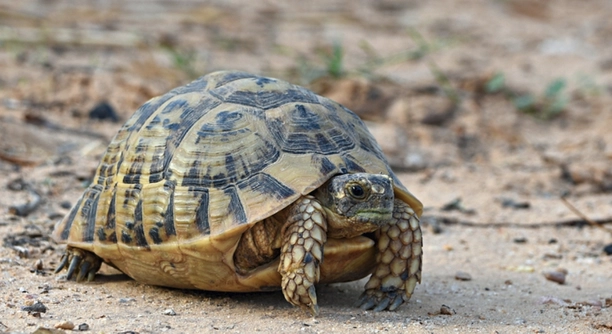
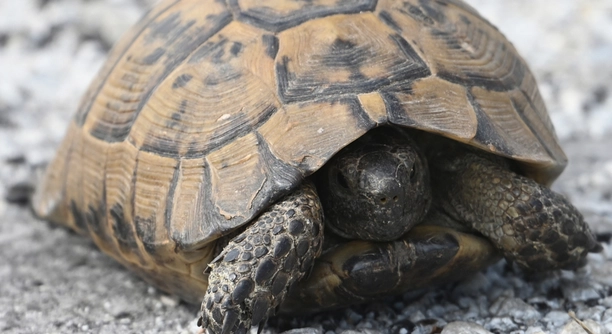
Russian tortoises are popular pets, but sometimes it’s not easy to tell when they are feeling stressed. Stress can affect their health and behavior, so understanding how to recognize the signs is important for their well-being. Russian tortoises show signs of stress through physical changes, behavior shifts, and by becoming more withdrawn. These signs can … Read more

Why Is My Russian Tortoise Always Trying to Hide?

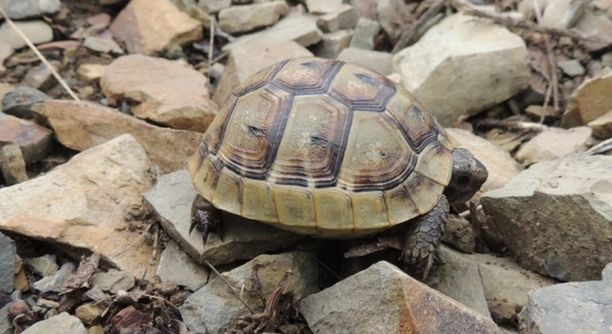
Russian tortoises are known for their unique behaviors, and one thing that often catches their owners off guard is their constant hiding. If you’re concerned about this habit, you’re not alone. Many tortoise owners notice this behavior. The main reason your Russian tortoise is always trying to hide is that they feel safer in a … Read more

7 Reasons Russian Tortoises Should Not Eat Certain Flowers

Russian tortoises are popular pets known for their charming personalities. However, not all flowers are safe for them to eat. Understanding which flowers to avoid is essential for their health and well-being. Russian tortoises should not eat certain flowers due to their potential toxicity. Some flowers contain compounds that can cause digestive issues, organ damage, … Read more

How to Keep a Russian Tortoise’s Beak from Overgrowing

Russian tortoises make wonderful pets, but like any reptile, they require proper care to thrive. One aspect of their health that needs attention is their beak, which can overgrow if not managed correctly. To prevent a Russian tortoise’s beak from overgrowing, provide them with a balanced diet that includes foods like leafy greens, vegetables, and … Read more

7 Best Ways to Keep a Russian Tortoise Active

A Russian tortoise requires consistent activity to stay healthy and happy. Their natural instincts call for movement and stimulation, so it’s important to keep them active. This article will guide you on how to keep your tortoise engaged. To keep a Russian tortoise active, it is essential to provide a stimulating environment. This includes creating … Read more

How to Tell If Your Russian Tortoise Has Mites

Russian tortoises are popular pets, known for their calm nature and distinctive appearance. However, like all reptiles, they can be susceptible to health issues, including mites. Identifying these pests early is key to protecting your tortoise’s health. Mites are microscopic pests that can affect your Russian tortoise’s skin, causing irritation and potential health problems. Symptoms … Read more

Why Is My Russian Tortoise Staring at Its Reflection?

Russian tortoises are known for their curious nature. If you’ve noticed your tortoise staring at its reflection, it may seem puzzling. This behavior is more common than you might think, and there are several reasons behind it. Russian tortoises often stare at their reflections due to a combination of curiosity, territorial behavior, and confusion. They … Read more

7 Signs Your Russian Tortoise Is Not Getting Enough Sunlight

Ensuring your Russian tortoise gets enough sunlight is essential for its health and well-being. Sunlight plays a key role in regulating its metabolism and helping it absorb vital nutrients. Without proper exposure, your tortoise can experience various issues. A lack of sunlight can lead to serious health problems for your Russian tortoise. Insufficient exposure may … Read more

How to Safely Trim a Russian Tortoise’s Nails

Trimming a Russian tortoise’s nails is a crucial part of maintaining its overall health and well-being. Overgrown nails can cause discomfort and affect their ability to move and walk properly, leading to potential health issues. To safely trim a Russian tortoise’s nails, gently secure your tortoise in a comfortable position, ensuring minimal stress. Use specialized … Read more