Why Do Rosy Barbs Swim Sideways at Times?
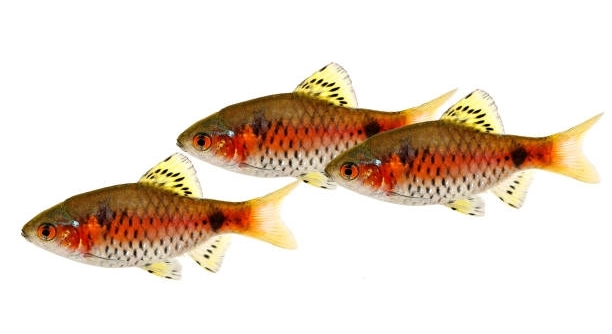
Do your rosy barbs sometimes swim in odd directions, leaving you wondering if something might be wrong in their tank? Rosy barbs may swim sideways due to swim bladder disorders, water quality issues, or stress-related behaviors. These factors can disrupt their buoyancy and orientation, making it difficult for them to maintain normal swimming patterns. Understanding … Read more
Can Rosy Barbs Act Out When They’re Bored?

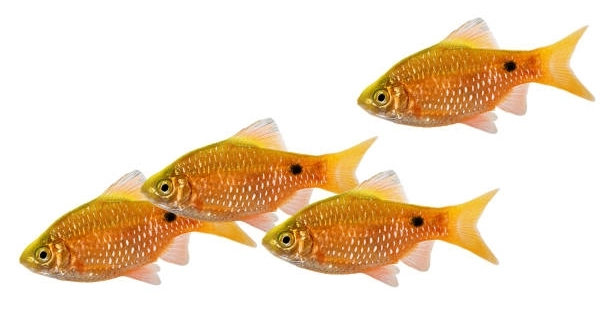
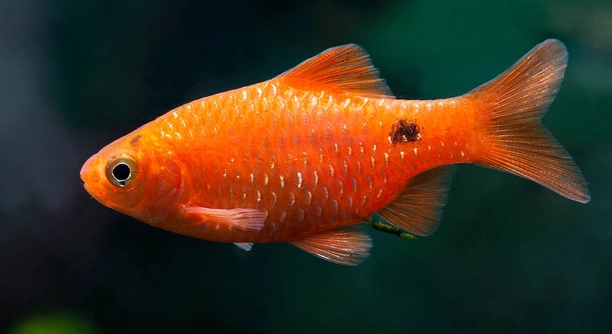
Rosy barbs are popular aquarium fish known for their bright colors and lively behavior. Many fish owners enjoy watching them swim and interact in their tanks. Sometimes, their activity levels can change, leading to noticeable behaviors. Rosy barbs can act out when bored, exhibiting restless swimming, chasing other fish, or increased aggression. Such behaviors indicate … Read more

7 Tank Designs That Keep Rosy Barbs Stimulated

Rosy barbs are colorful and active fish that benefit from well-designed tanks. Providing a stimulating environment helps them thrive and shows off their natural behavior. A proper tank setup supports their health and activity levels daily. Seven effective tank designs focus on creating varied spaces, incorporating plants, hiding spots, and open swimming areas. These elements … Read more

Do Rosy Barbs Recognize Reflections?

Rosy barbs are popular freshwater fish often kept in home aquariums. Their bright colors and active nature make them a favorite among fish enthusiasts. Understanding their behavior helps in creating a better environment for them. Rosy barbs do recognize their reflections, often reacting as if encountering another fish. This behavior can include displaying territorial or … Read more

7 Tank Conditions That Invite Rosy Barb Disease

Rosy barb disease is a common issue affecting many aquarium owners who keep rosy barbs. It can cause stress and illness in these fish, often leading to poor tank conditions if left untreated. Understanding what invites this disease helps keep your fish healthy. Seven specific tank conditions invite rosy barb disease, including poor water quality, … Read more

7 Tank Plants Rosy Barbs Actually Use

Rosy barbs are popular freshwater fish known for their vibrant colors and active behavior. Many aquarists seek the best plants to create a comfortable and natural environment for these fish. Choosing the right tank plants benefits both the fish and the overall aquarium ecosystem. Seven specific tank plants are commonly used with rosy barbs due … Read more

7 Reactions You’ll See After a Water Temperature Drop

Water temperature changes often cause noticeable effects in nature and everyday life. When the temperature drops, many living things and objects respond in ways we might not expect. Recognizing these reactions helps us understand how the environment affects us. A drop in water temperature typically triggers physical and behavioral changes in aquatic life, including slower … Read more

7 Things Rosy Barbs Do When They’re Settled In

Rosy barbs are popular freshwater fish known for their vibrant colors and active nature. When they settle into a new tank, they display certain behaviors that indicate comfort and adjustment. Observing these signs helps understand their well-being. Once settled, rosy barbs establish a consistent swimming pattern, interact with tank mates, and explore their environment. They … Read more

7 Body Signals That Rosy Barbs Use to Warn Others

Have you ever watched your fish and noticed strange movements or color changes, unsure if they meant something important or not? Rosy barbs use specific body signals to warn other fish of threats or stress. These include changes in coloration, fin movements, sudden darting, or freezing behavior. These signals help maintain group safety and coordination. … Read more

7 Little Details Rosy Barbs Respond To

Rosy barbs are colorful freshwater fish popular in home aquariums. They often show subtle behaviors that indicate their mood and health. Understanding these little details can improve how you care for them and enjoy their presence. Rosy barbs respond to small environmental and social cues such as changes in water temperature, tank mates, feeding routines, … Read more