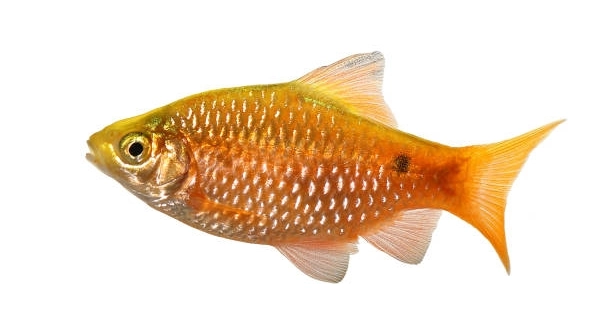
7 Smart Ways to Lower Rosy Barb Stress Levels
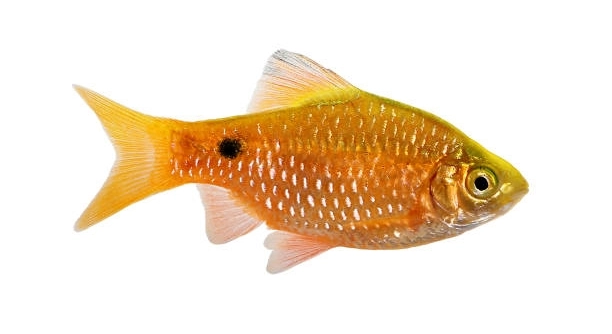
Are your Rosy Barbs darting around restlessly or hiding more than usual, leaving you worried about their well-being and comfort? The most effective way to lower Rosy Barb stress levels is by creating a calm, stable environment with consistent water conditions, proper tank mates, and adequate space. These elements significantly reduce anxiety and promote natural … Read more
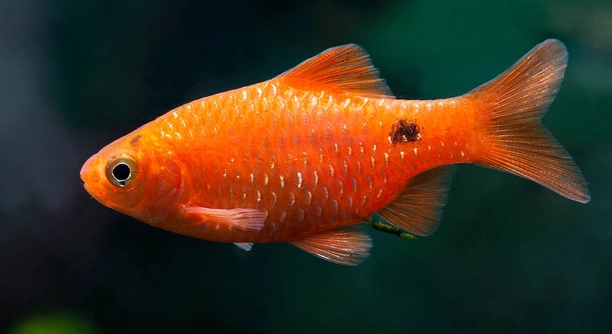
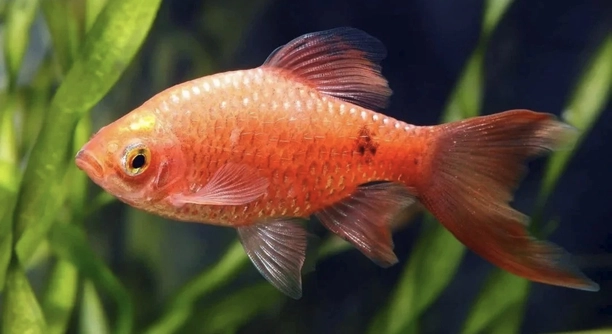
Why Is My Rosy Barb Swimming at a Slant?

Is your rosy barb swimming at a slant and causing concern? This unusual behavior can be worrying for fish owners who want their aquatic pets to stay healthy and comfortable. Understanding why this happens is important for proper care. Rosy barbs swimming at a slant typically indicate an issue with their swim bladder, which affects … Read more

7 Things Rosy Barbs Need That New Owners Miss

Are your rosy barbs swimming in circles or hiding more than usual? You might be missing a few key care essentials. Many new owners overlook the specific needs of rosy barbs, which can lead to stress, illness, or behavior changes. Proper tank setup, water conditions, diet, and social structure are crucial to keeping them healthy … Read more

Why Are My Rosy Barbs Flaring Fins Constantly?

Are your rosy barbs constantly flaring their fins, making you wonder if something in their tank might be bothering them? This behavior can seem harmless at first but may signal something deeper. Rosy barbs often flare their fins due to territorial displays, social hierarchy, or mating behavior. However, consistent or aggressive flaring may indicate stress … Read more

What Makes Rosy Barbs Linger Near Corners?

Rosy Barbs are popular aquarium fish known for their lively colors and active nature. Many fishkeepers notice these fish often linger near tank corners, sparking interest in their behavior and habitat preferences. Understanding this habit can improve tank setups for these vibrant fish. Rosy Barbs tend to stay near corners because these areas provide a … Read more

7 Ways to Keep Your Rosy Barb Mentally Stimulated

Rosy barbs are lively fish that enjoy exploring their environment. Keeping them mentally active helps improve their health and behavior. Many fish owners want simple ways to make sure their rosy barbs stay happy and engaged. Providing varied activities and environmental enrichment is essential for maintaining the mental stimulation of rosy barbs. This includes introducing … Read more

7 Fast Fixes for Overcrowded Rosy Barb Tanks

Is your rosy barb tank feeling a bit too crowded lately, leaving your fish stressed and the water quality declining fast? The fastest way to fix an overcrowded rosy barb tank is by reducing fish numbers, upgrading the tank size, and improving filtration. These methods restore balance, reduce aggression, and support better water conditions for … Read more

Do Rosy Barbs Like Light or Shade? (Tank Lighting Tips)

Rosy Barbs are popular freshwater fish known for their vibrant colors and active behavior in home aquariums. Many aquarium enthusiasts want to create the best environment to keep these fish healthy and happy. Lighting plays an important role in their tank setup. Rosy Barbs prefer moderate lighting that mimics natural daylight. Excessive bright light can … Read more

Can Rosy Barbs Detect Minor Water Changes?

Rosy barbs are popular freshwater fish known for their vibrant colors and active behavior. Many aquarium enthusiasts keep them as part of their home tanks. These fish often respond to changes in their environment, making them interesting to observe. Rosy barbs can detect minor changes in water quality, such as shifts in temperature, pH, or … Read more

What Makes Rosy Barbs Cluster Without Moving?

Rosy barbs often gather closely together in small groups, creating an interesting behavior to observe in aquariums. These small fish seem calm and stay near one another without much movement. This natural clustering can be seen as a peaceful part of their daily routine. Rosy barbs cluster without moving primarily due to social and environmental … Read more