Why Are Rosy Barbs More Active After Water Changes?
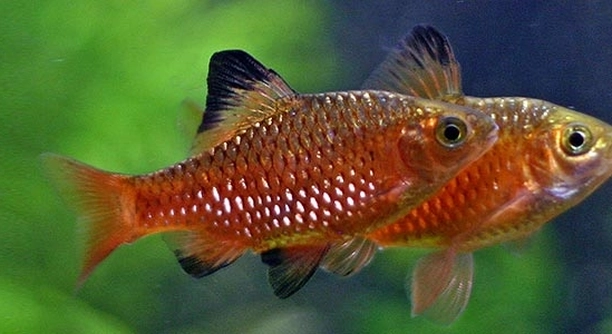
Do your Rosy Barbs suddenly become more playful and energetic after a water change, leaving you both surprised and curious about the shift? Rosy Barbs often become more active after water changes due to the introduction of cleaner, oxygen-rich water and improved environmental conditions. These changes stimulate natural behaviors, including increased swimming and social interaction … Read more
What Makes Rosy Barbs Retreat Under Plants?

Rosy Barbs are colorful fish that often attract attention in home aquariums. Their behavior, including retreating under plants, is something many aquarium enthusiasts notice. Understanding why they do this can help create a better environment for them. Rosy Barbs retreat under plants primarily for shelter and security. Dense plants offer protection from perceived threats and … Read more

Why Is One Rosy Barb Always Chasing the Rest?

Have you ever noticed one rosy barb always chasing the others around and wondered what might be causing this behavior? Rosy barbs often chase tankmates due to territorial behavior, mating instincts, or stress. These actions are typically linked to dominance displays, gender imbalance, or environmental factors such as tank size, water quality, or lack of … Read more

7 Sounds That Startle Rosy Barbs Instantly

Sounds play a significant role in the behavior of rosy barbs, a popular freshwater fish in home aquariums. These fish are sensitive to sudden noises and vibrations in their environment. Understanding which sounds startle them can help improve their care. Rosy barbs react instantly to sudden and sharp noises such as claps, banging on the … Read more

How to Spot Signs of Fatigue in Rosy Barbs

Rosy Barbs are colorful and lively fish often kept in home aquariums. Like all pets, they can show signs when they are tired or stressed. Recognizing these signs early helps maintain their health and wellbeing. Signs of fatigue in Rosy Barbs include reduced activity, loss of color vibrancy, clamped fins, and slower response to stimuli. … Read more

7 Patterns That Indicate Rosy Barb Pairing

Rosy barbs are popular freshwater fish known for their vibrant colors and active behavior. When kept in pairs, they display unique interactions that can indicate their compatibility and well-being. Recognizing these patterns helps fish owners create a healthy environment. Seven distinct behavioral and physical patterns indicate a successful pairing of rosy barbs. These include synchronized … Read more

Why Is My Rosy Barb Acting Like It’s Patrolling?

Is your rosy barb swimming back and forth as if it’s on a mission? Many fish owners notice this behavior and wonder what it means. This kind of movement can be a sign of natural instincts or environmental factors in the tank. Rosy barbs often patrol their environment to establish territory or search for food. … Read more

How Long Do Rosy Barbs Live? (Lifespan Guide)

Rosy barbs are popular freshwater fish known for their vibrant colors and lively behavior. Many aquarium enthusiasts enjoy keeping them as part of their collections. Understanding their lifespan is important for proper care and maintenance in home tanks. Rosy barbs typically live between 5 to 7 years under optimal conditions. Their lifespan depends on factors … Read more

Can Rosy Barbs Tell When Food Is Coming?

Rosy barbs are popular aquarium fish known for their lively behavior and bright colors. Many fishkeepers notice how these fish react around feeding time. Understanding their behavior can help improve their care and feeding routines. Rosy barbs can recognize feeding cues and often anticipate when food is coming. They respond to visual or environmental signals, … Read more

7 Tank Conditions Rosy Barbs Hate

Are your rosy barbs acting stressed or losing their vibrant color despite your best efforts to care for them properly? Rosy barbs dislike poor tank conditions such as low oxygen, overcrowding, improper temperature, dirty water, and lack of swimming space. These factors directly affect their health, behavior, and lifespan, leading to stress and illness. Learning … Read more