7 Reasons Rosy Barbs Are Flashing Their Sides
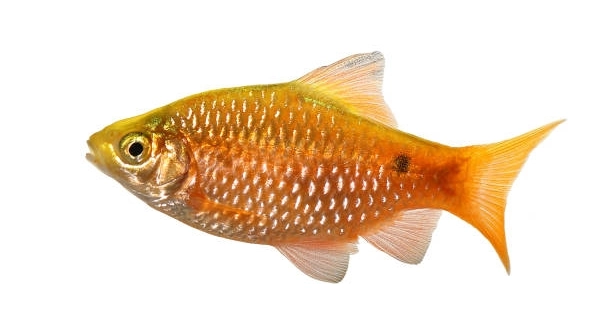
Do you ever find yourself watching your rosy barbs flash their sides and wonder what it all means for their behavior? Rosy barbs flash their sides primarily as a form of communication, often linked to territorial displays, mating behavior, or stress responses. This behavior helps them establish dominance, attract mates, or respond to environmental changes. … Read more
7 Environmental Triggers That Confuse Rosy Barbs

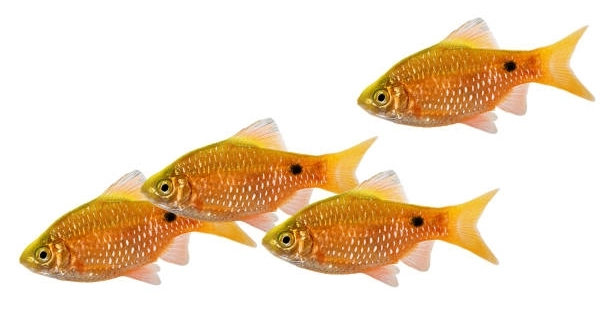
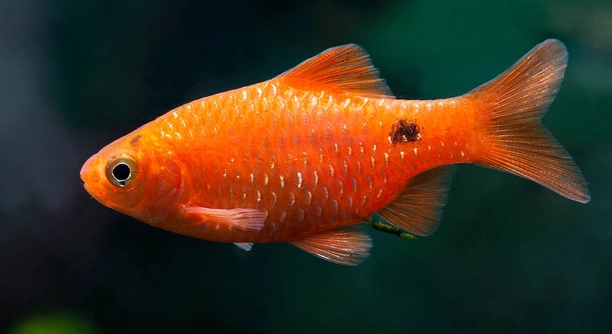
Rosy barbs are popular freshwater fish loved for their vibrant colors and active nature. Many aquarium owners enjoy keeping them but sometimes notice unusual behaviors or health changes. These changes can often be traced back to environmental triggers. Several environmental factors can confuse rosy barbs, such as sudden changes in water temperature, poor water quality, … Read more

Can Rosy Barbs Feel Safe With Bright Lights?

Rosy barbs are popular aquarium fish known for their bright colors and active behavior. Many hobbyists wonder how lighting affects their comfort and safety. Understanding how these fish respond to bright lights is important for their care. Rosy barbs can tolerate bright lighting, but excessive or harsh light may cause stress and disrupt their natural … Read more

How to Train Rosy Barbs to Eat from Your Hand

Rosy Barbs are lively fish that can become comfortable around their owners with the right approach. Training them to eat from your hand adds a rewarding level of interaction to your aquarium care routine. This guide will explain the steps involved. Training Rosy Barbs to eat from your hand requires patience, consistency, and a calm … Read more

What Makes Rosy Barbs Swim in Circles?

Rosy barbs are popular aquarium fish known for their lively behavior and bright colors. Many owners notice these fish often swim in circles, which can be both fascinating and puzzling to watch. Understanding why they do this helps improve their care and environment. The circular swimming behavior of rosy barbs is typically a sign of … Read more

7 Environmental Factors That Affect Behavior

Environmental factors play a significant role in shaping human behavior. From the places we live to the social groups we join, these external influences impact how we think and act. Understanding these factors helps explain many everyday actions and decisions. Seven key environmental factors affect behavior: physical surroundings, social interactions, cultural norms, family influences, education, … Read more

7 Traits That Make Rosy Barbs Unique Swimmers

Rosy Barbs are popular freshwater fish known for their lively behavior and bright colors. Many aquarium enthusiasts enjoy watching them swim and interact within their tanks. Their unique swimming traits make them stand out among other fish species. Rosy Barbs exhibit distinct swimming patterns characterized by agile movements, schooling behavior, and rapid bursts of speed. … Read more

Can Rosy Barbs React to Changing Air Pressure?

Rosy Barbs are popular freshwater fish kept in home aquariums. Many owners pay close attention to their behavior and environment. Changes in air pressure can occur naturally and may affect aquatic life in subtle ways. Rosy Barbs do react to changes in air pressure. These fish are sensitive to environmental shifts, which can cause alterations … Read more

What Makes Rosy Barbs Cling to Decorations?

Rosy Barbs are lively fish that often attract attention in home aquariums. Their bright colors and playful nature make them a favorite among fish enthusiasts. Many owners notice these fish often stay close to tank decorations. Rosy Barbs cling to decorations primarily for shelter and security. These structures provide hiding spots that reduce stress and … Read more

Why Is My Rosy Barb Refusing to Swim?

Many fish owners enjoy watching their rosy barbs swim energetically around the tank. Sometimes, these lively fish suddenly stop swimming or hide more than usual. This change can be worrying for anyone who cares about their aquarium friends. Rosy barbs may refuse to swim due to poor water quality, illness, stress, or improper tank conditions. … Read more