What’s the Ideal pH for Rosy Barbs?

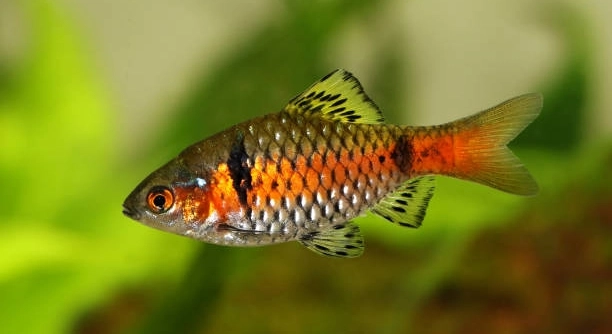
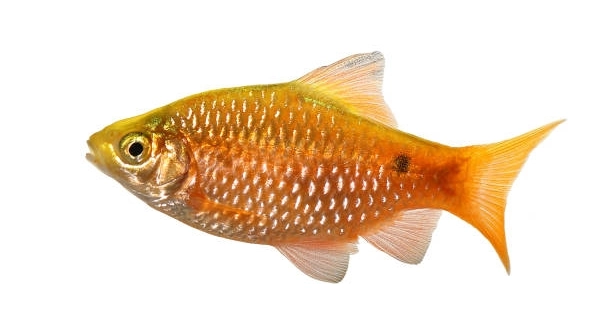
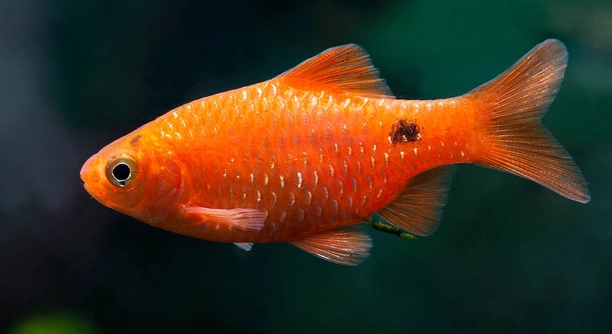
Rosy barbs are popular freshwater fish known for their vibrant colors and active nature. Maintaining the right environment is key to keeping them healthy and happy. Water conditions, especially pH levels, play a crucial role in their well-being. The ideal pH for rosy barbs ranges between 6.5 and 7.5. This slightly acidic to neutral range … Read more
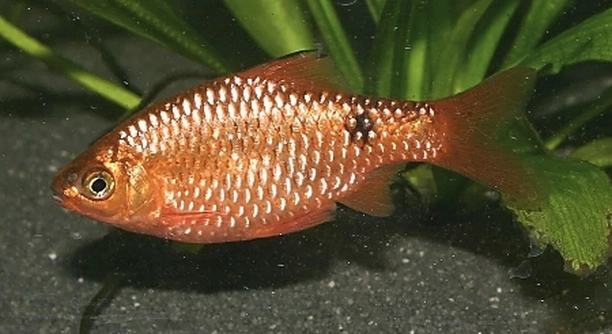
What Makes Rosy Barbs Swim in Spirals?

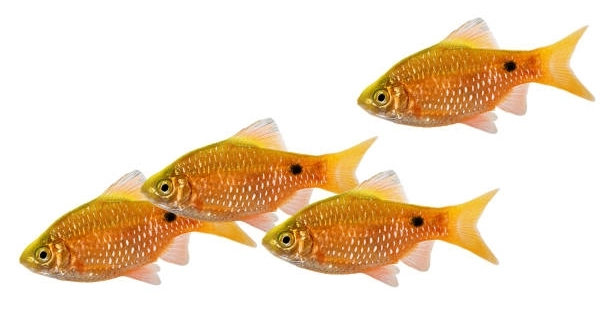
Have you ever noticed your rosy barbs swimming in tight spirals and wondered if it means something important about their health? This behavior might seem playful at first, but it can signal more than just curiosity. Rosy barbs often swim in spirals due to stress, environmental changes, or health concerns such as parasites or water … Read more

7 Reasons to Keep Rosy Barbs in a Group

Keeping rosy barbs can be a rewarding experience for many aquarium enthusiasts. These lively fish are known for their vibrant colors and active behavior, making them popular choices. Understanding the benefits of keeping them in groups is important for their well-being. Rosy barbs are naturally social fish that thrive in groups, which promotes healthier behavior … Read more

7 Best Practices for Long-Term Rosy Barb Care

Rosy barbs are colorful, lively fish that many people enjoy keeping at home. They need consistent care to stay healthy and vibrant over time. Proper attention helps them live longer and thrive in their aquarium environment. Long-term care of rosy barbs requires maintaining clean water, providing balanced nutrition, monitoring tank conditions, and ensuring social interaction … Read more

Can Rosy Barbs Display Mating Dances?

Rosy Barbs are small, colorful fish that many aquarium lovers enjoy keeping. Their lively movements and bright hues make them a popular choice for home tanks. Observing their behavior can be quite fascinating, especially during breeding season. Rosy Barbs do exhibit mating behaviors, but they do not perform elaborate mating dances like some other fish … Read more

7 Ways Rosy Barbs React to Tank Rearrangement

Rosy barbs are lively fish that often live in community tanks. When their tank environment changes, such as during a rearrangement, they can show noticeable behaviors. These reactions can reveal a lot about their comfort and adjustment. Rosy barbs typically respond to tank rearrangement with increased activity, cautious exploration, and temporary stress behaviors. These reactions … Read more

7 Fast Tips to Reduce Fin Nipping

Are your fish constantly chasing each other, leaving fins torn and tank harmony disrupted? Fin nipping can quickly become a frustrating issue in community aquariums. The most effective way to reduce fin nipping is by identifying the aggressive species and adjusting the tank setup. Adding plants, hiding spots, and removing overly territorial fish can significantly … Read more

Why Do Rosy Barbs Suddenly Group Up Tight?

Rosy barbs are popular freshwater fish known for their lively colors and active behavior. Many aquarium owners enjoy watching them swim gracefully. Sometimes, these fish suddenly group up tightly, which can catch the attention of even experienced hobbyists. Rosy barbs group tightly as a natural response to perceived threats or changes in their environment. This … Read more

Do Rosy Barbs Avoid Certain Tank Decorations?

Do your rosy barbs seem uninterested in certain parts of your aquarium, even though everything appears safe and decorative? Sometimes, the decorations we choose can affect how our fish interact with their environment. Rosy barbs may avoid certain tank decorations due to their color, shape, placement, or material, especially if the objects create stress, limit … Read more

7 Reasons Rosy Barbs Hide Behind the Filter

Rosy barbs are popular freshwater fish often seen in home aquariums. Despite their bright colors and lively behavior, they sometimes hide behind plants or decorations. This behavior can seem puzzling to many aquarium enthusiasts. Rosy barbs hide behind the filter for several reasons, including stress, territorial behavior, water quality issues, and the need for security. … Read more