Why Are My Rasboras Swimming in Odd Shapes?
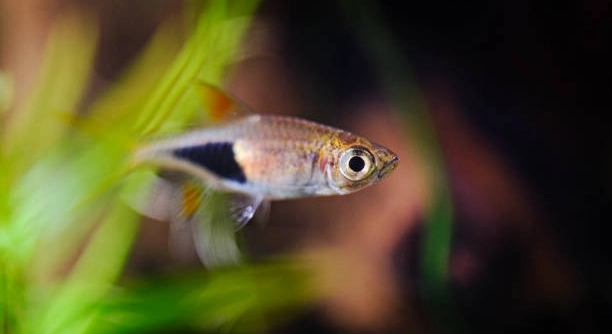
Have you ever noticed your rasboras swimming in strange patterns, looping or tilting in ways that seem unusual, leaving you concerned about their comfort, health, and overall wellbeing inside your aquarium at home today suddenly? The most common reason rasboras swim in odd shapes is stress affecting their nervous system. Poor water quality, sudden environmental … Read more

7 Ways to Lower Rasbora Tank Anxiety

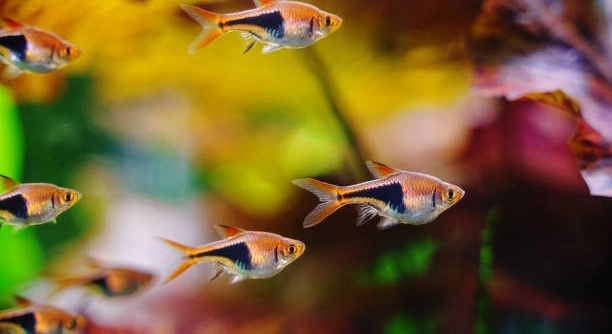
Keeping a rasbora tank can be relaxing, but sometimes the fish act nervous or hide frequently. Their small size and active nature can make them sensitive to sudden changes in their environment or routine. Observing their behavior carefully is key. Rasbora tank anxiety often results from overcrowding, improper water conditions, or sudden environmental changes. Maintaining … Read more

What Causes Rasboras to Chase Each Other?

Many aquarists enjoy watching their Rasboras swim gracefully across the tank, but sometimes these small fish start chasing one another rapidly. This behavior can be surprising, even for those familiar with peaceful community fish species. Rasboras chase each other mainly due to social hierarchy and mating instincts. Establishing dominance within the group encourages order, while … Read more

Do Rasboras Like Surface Feeding?

Rasboras are small, active fish often admired for their shimmering colors and peaceful nature. Many aquarists notice them swimming near the top of the tank, especially during feeding times, which can make surface feeding an appealing choice. Rasboras generally do enjoy surface feeding, particularly when offered floating flakes or small pellets. This behavior allows them … Read more

7 Tiny Adjustments That Help Rasbora Comfort

Rasboras are small, lively fish that bring a gentle energy to any aquarium. Many fish owners enjoy watching their graceful movements and bright colors, but keeping them comfortable requires some attention to detail and care. Ensuring rasbora comfort involves subtle changes to their environment, including tank layout, water quality, lighting, and diet. Each adjustment supports … Read more

7 Easy Breeding Tips for Harlequin Rasboras

Harlequin rasboras are small, vibrant fish that can bring life to any aquarium. Breeding them at home is simple with the right approach and attention to water conditions, diet, and tank setup. Many enthusiasts enjoy raising them successfully. Successful breeding of harlequin rasboras requires maintaining stable water parameters, providing high-quality live or frozen food, setting … Read more

How Big Should a Rasbora School Be?

Rasboras are small, peaceful fish that thrive in groups, creating a lively and harmonious aquarium environment. Observing them swim together can be soothing, but knowing the right school size is important for their well-being. A healthy rasbora school typically consists of at least six to twelve individuals. Maintaining this group size ensures natural social behavior, … Read more

How to Read Rasbora Group Dynamics

Observing a school of rasboras can be a calming experience, but understanding how they interact takes careful attention. Their subtle movements and positioning reveal more than just swimming patterns in your aquarium. Rasbora group dynamics are primarily influenced by hierarchy, social comfort, and environmental conditions. Fish establish dominant and subordinate roles, maintain spacing for safety, … Read more

Do Rasboras Recognize Feeding Tools?

Do you ever notice your rasboras swimming quickly toward the surface at feeding time, as if they know something special is coming? Many fish owners enjoy observing their small, colorful companions and how they react to daily routines. Rasboras can recognize feeding tools after repeated exposure. Consistent use of the same net, spoon, or feeding … Read more

Can Rasboras Get Bored in a Tank?

Rasboras are small, active fish that bring life to home aquariums. Many owners enjoy watching their playful movements and bright colors, which add a lively touch to any tank. Their behavior can be both entertaining and calming. Rasboras can exhibit signs of boredom if their environment lacks stimulation or variety. Providing plants, hiding spots, and … Read more